Wolfram Metal: Properties, Applications, and Product Forms
views, Updated: September 18, 2026 by aemmetal
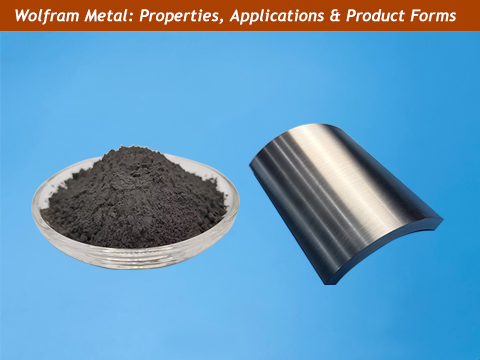
What Is Wolfram?
Wolfram is another name for
tungsten, a chemical element with the symbol
W and atomic number
74. The name “wolfram” comes from the mineral wolframite, an important source of tungsten. Today,
tungsten is the more common name in engineering, manufacturing, and scientific applications.
Tungsten is a dense, hard, and heat-resistant metal. It has one of the highest melting points of all metals, making it useful in applications that require reliable performance at very high temperatures. It also has good wear resistance and maintains its strength better than many other metals when exposed to heat.
These properties make tungsten an important material for industries such as
aerospace, electronics, energy, tooling, welding, and high-temperature manufacturing. Depending on the application, it can be supplied as powder, wire, rod, bar, sheet, plate, or other custom forms.
In the following sections, we will look at its key properties, applications, and the product forms commonly used in industry.
Key Properties of Tungsten
Tungsten is known for a combination of properties that make it suitable for demanding industrial environments. Its performance is especially valuable where high temperature, wear, or dimensional stability is a concern.
High Melting Point
Tungsten has a melting point of about
3,422°C (6,192°F), one of the highest among metals. This allows it to maintain its structure in high-temperature applications where many common metals would soften or melt.
High Density
With a density of about
19.25 g/cm³, tungsten is one of the densest engineering metals. Its high density makes it useful when a large amount of mass is needed in a relatively small volume, such as in counterweights and radiation-shielding components.
High Hardness and Wear Resistance
Tungsten has high hardness and good resistance to wear. These characteristics are important for components exposed to friction, abrasion, or repeated mechanical contact.
Strength at High Temperatures
Unlike many metals, tungsten can retain useful mechanical strength at elevated temperatures. This makes it suitable for furnace components, heating elements, electrodes, and other high-temperature equipment.
Low Vapor Pressure
Tungsten has a very low vapor pressure at high temperatures. This property is particularly useful in
vacuum and high-temperature applications, including electrical components and deposition equipment.
Good Electrical Conductivity
Tungsten conducts electricity and can withstand high temperatures without easily deforming. This combination has made it useful for electrodes, electrical contacts, and other components that operate under demanding conditions.
These properties do not make tungsten suitable for every application. Its high density, hardness, and relatively difficult machining also need to be considered when choosing the material. The appropriate
purity, grade, and product form depend on the specific operating conditions.
From Tungsten Ore to Finished Products
Tungsten products go through several processing stages before they become finished materials or components. The overall production route starts with tungsten-bearing ore and gradually converts it into powders, refined materials, and finished products.
1. Tungsten Ore and Concentrate
Tungsten is first extracted from tungsten-bearing ores, such as
wolframite and scheelite. The ore is processed to produce a tungsten concentrate with a higher tungsten content.
2. Tungsten Refining
The concentrate is further processed to produce refined tungsten compounds.
Ammonium paratungstate (APT) is an important intermediate material in this stage.
APT can then be converted into tungsten oxides, which are used as feedstock for producing tungsten powder.
3. Tungsten and Tungsten Carbide Powder
Tungsten oxide is processed into
tungsten powder through reduction. The powder is an important starting material for many tungsten products.
Tungsten can also be converted into
tungsten carbide powder, which is mainly used to produce cemented carbide and other wear-resistant materials.
4. Powder Processing and Sintering
Tungsten powder can be pressed, sintered, and further processed into solid materials. Depending on the required properties and product design, additional processes such as
forging, rolling, machining, or other forming methods may be used.
5. Finished Tungsten Products
The processed material can be manufactured into various product forms, including
rods, bars, wires, plates, sheets, sputtering targets, and custom components.
Tungsten carbide powder can also be combined with a metallic binder, such as cobalt, to produce
cemented carbide products. These include carbide rods, mining components, wear-resistant parts, and precision components.
This production chain allows tungsten to move from a raw mineral into materials designed for specific industrial applications. The following section looks at the main product forms available for different manufacturing and engineering requirements.
Common Tungsten Product Forms
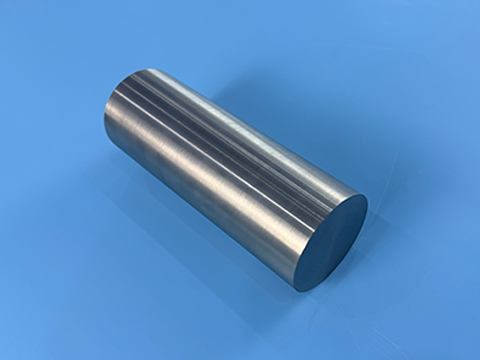
Tungsten is available in several forms, from fine powders to finished products and customized components. Each form is suited to different manufacturing processes and applications.
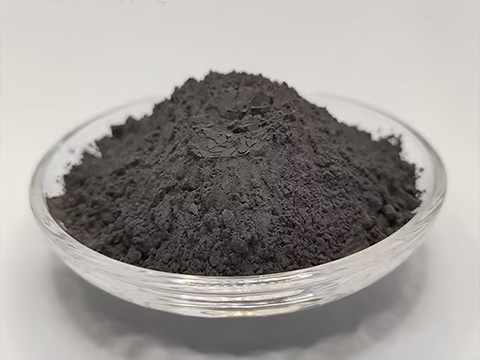
Tungsten Powder
Tungsten powder is an important starting material for tungsten products. It is produced through a series of processing steps and can be used to make
tungsten alloys, tungsten components, and other tungsten-based materials.
Purity and particle size are important factors when choosing powder for a specific application.
Tungsten Carbide Powder
Tungsten carbide powder is mainly used to produce
cemented carbide and wear-resistant materials. It is valued for its high hardness and excellent resistance to wear.
It is widely used for products such as
cutting tools, mining components, dies, and precision wear parts.
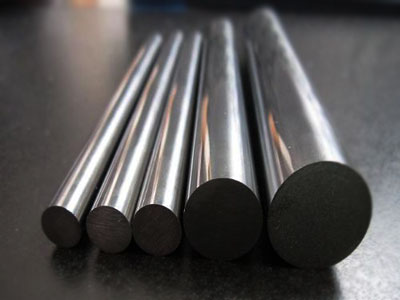
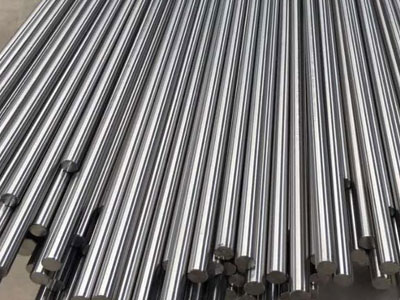
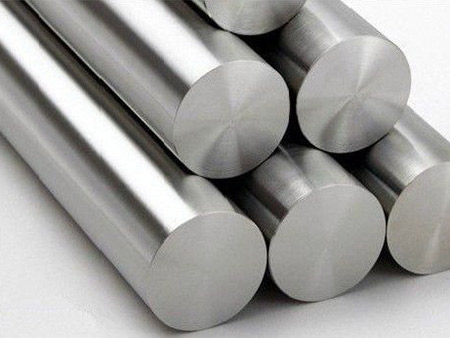
Tungsten Rods and Bars
Tungsten rods and bars are commonly used for high-temperature and electrical applications. They can be used to produce
electrodes, supports, heating components, and other specialized parts.
Different diameters and lengths can be supplied according to the application and manufacturing requirements.
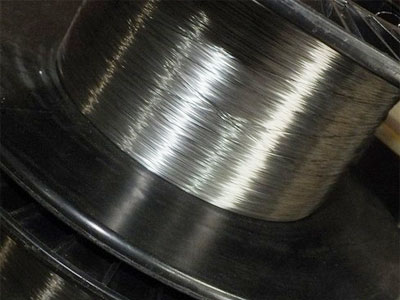
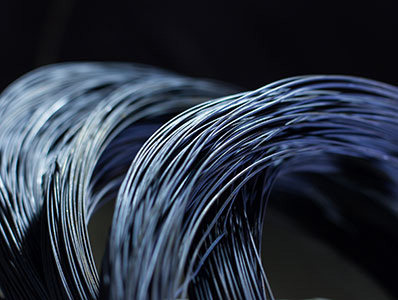
Tungsten Wire
Tungsten wire combines high-temperature resistance, strength, and the ability to be produced in very fine diameters. It is widely used in
lighting, electronics, automotive components, appliances, and precision applications.
The wire diameter and surface condition can be tailored to specific requirements.
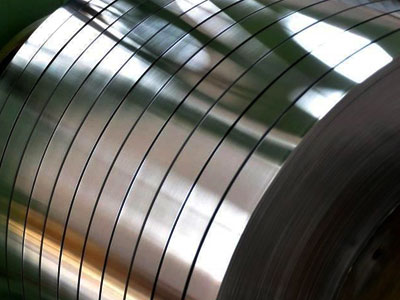
Tungsten Sheets and Plates
Tungsten sheets and plates are used when high density, heat resistance, and dimensional stability are required. They can be used for
high-temperature equipment, shielding components, electrical parts, and custom-machined products.
Tungsten Sputtering Targets
Tungsten sputtering targets are used to deposit thin tungsten films onto substrates. Their high density and uniform structure help produce films with useful
electrical and thermal properties.
They are commonly used in
semiconductor and electronic manufacturing, where film quality and material purity are important.
Tungsten-Based Products
Tungsten can also be combined with other materials to create products with specific performance characteristics.
Cemented carbide is one important example, using tungsten carbide together with a metallic binder such as cobalt.
These materials are used to manufacture
carbide rods, mining tools, wear-resistant components, and precision parts.
For specialized applications, tungsten products can also be customized according to
purity, dimensions, tolerances, density, surface finish, and other technical requirements. Choosing the right product form helps ensure both material performance and efficient downstream processing.
Applications of Tungsten
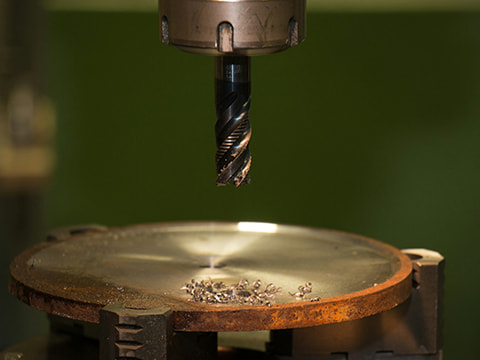
Tungsten is used in many industries because it can handle
high temperatures, wear, and demanding working conditions. Its high density and good electrical properties also make it useful for specialized applications.
Semiconductor and Electronics
Tungsten is widely used in semiconductor and electronic manufacturing. It can withstand high temperatures and offers good electrical conductivity.
Common applications include
electrodes, electrical contacts, semiconductor components, and deposition processes.
Photovoltaics
Tungsten is used in equipment and components for photovoltaic manufacturing. Its high-temperature stability makes it suitable for processes that involve heat and vacuum conditions.
Lighting and Electrical Applications
Tungsten wire is widely known for its use in
electric light sources. It can operate at very high temperatures while maintaining its shape.
Tungsten is also used for electrodes and other electrical components that require good heat resistance.
Cutting Tools and Mechanical Processing
Tungsten-based materials are widely used in machining and tooling.
Tungsten carbide, for example, is used to make cutting tools, drills, dies, and wear-resistant parts.
Its high hardness and wear resistance help tools maintain their performance during repeated use.
Chemical and High-Temperature Equipment
Tungsten can be used for selected components in chemical processing and high-temperature equipment. It is suitable for applications where
heat resistance, dimensional stability, and resistance to harsh conditions are important.
Aerospace and Energy
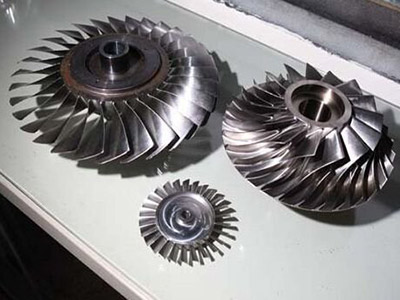
Tungsten is used in specialized aerospace and energy applications where materials must perform under extreme conditions.
Its high melting point, density, and high-temperature strength make it useful for
specialized components, electrodes, counterweights, and other engineered parts.
Marine and Other Industrial Applications
Tungsten and tungsten-based materials are also used in selected
marine, oil and gas, medical, and industrial applications.
The specific product depends on the requirements of each application. Buyers may choose different forms, grades, or tungsten alloys based on factors such as
temperature, wear, density, strength, and operating environment.
Overall, tungsten is valuable not because of one property alone, but because several useful properties work together. This allows the material to meet different requirements across a wide range of industries.
Conclusion
Wolfram, also known as
tungsten, is a strong and heat-resistant metal used in many demanding industries. Its unique combination of
high density, hardness, and high-temperature performance makes it useful for a wide range of products.
It can be supplied as
powder, wire, rods, bars, plates, sputtering targets, and custom components. Each form is designed for different manufacturing and application needs.
If you need
tungsten materials for a specific application,
AEM Metal can provide different product forms and customized solutions based on your requirements.