What Is Vanadium? Uses, Benefits, and Key Applications
views, Updated: September 15, 2026 by aemmetal
What Is Vanadium?
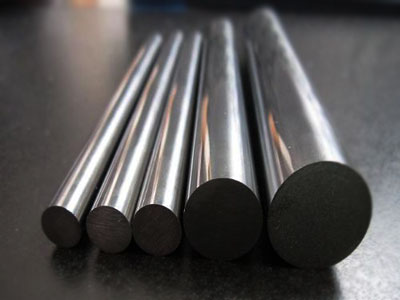
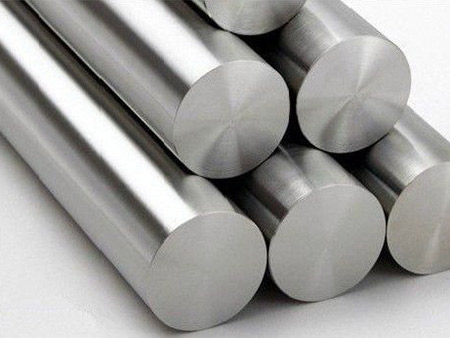
Vanadium is a
silvery-gray transition metal with the chemical symbol
V and atomic number
23. It is known for its good strength, high melting point, and ability to form compounds in several oxidation states.
Vanadium is rarely used as a pure metal in everyday products. Instead, most vanadium is used as an
alloying element or converted into chemical compounds. Even small amounts of vanadium can improve the strength, toughness, and wear resistance of steel and other alloys.
Vanadium is also important because of its unique chemical behavior. Its different oxidation states allow vanadium compounds to take part in a wide range of chemical reactions. This makes vanadium useful not only in metallurgy but also in
catalysts, energy storage, and specialty materials.
Today, the most important applications of vanadium are found in
steel and metal alloys, while vanadium-based redox flow batteries are attracting increasing interest for large-scale energy storage.
Where Is Vanadium Found?
Vanadium is found naturally in the Earth's crust, but it is rarely found as pure metal. Instead, it is usually found together with other elements in
minerals and ores.
One of the main sources of vanadium is
vanadium-titanium magnetite, which also contains iron and titanium. Vanadium can also be found in phosphate rock, uranium-bearing sandstone, shale, and other mineral deposits.
Vanadium is not limited to mineral deposits. It can also be found in
crude oil, coal, and other carbon-rich materials. In some cases, vanadium can be recovered during the processing of these materials.
Because vanadium is usually mixed with other elements, it needs to be
extracted and refined before it can be used. Depending on the application, it can be produced as vanadium metal, ferrovanadium, vanadium pentoxide, or other vanadium compounds.
This wide range of natural sources makes vanadium an interesting industrial material, but the type and quality of the raw material can affect how it is produced.
Properties of Vanadium
Vanadium has a useful combination of physical and chemical properties. These properties make it valuable for
steelmaking, alloy production, chemical processing, and energy storage.
Key Physical and Chemical Properties
|
Property |
Value |
|
Chemical symbol |
V |
|
Atomic number |
23 |
|
Atomic weight |
50.9415 |
|
Density |
6.11 g/cm³ at 20°C |
|
Melting point |
1,910°C (3,470°F) |
|
Boiling point |
3,407°C (6,165°F) |
|
Common oxidation states |
+2, +3, +4, +5 |
Physical Properties
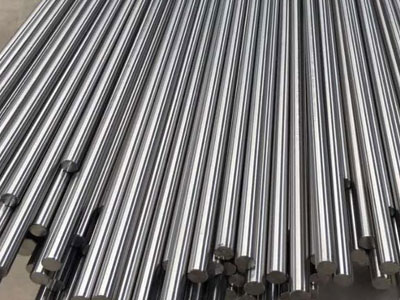
Vanadium is a
silvery-gray metal that is relatively hard and has a high melting point of about
1,910°C (3,470°F). Pure vanadium can be ductile and workable, but impurities such as oxygen, nitrogen, and hydrogen can make it more brittle.
Vanadium also has relatively low electrical conductivity compared with metals such as copper. As a result, its main industrial value comes from its
mechanical and metallurgical properties, rather than from its ability to conduct electricity.
Chemical Properties
One of vanadium's most useful features is that it can exist in
several oxidation states. This allows it to form a wide range of compounds, including vanadium oxides.
Vanadium reacts with oxygen when heated and can form oxides with different colors and chemical properties. It can also combine with other elements to form compounds used in
steel production, chemical processing, catalysts, and energy storage.
These physical and chemical properties help explain why vanadium can be used in such different fields. In steel, it improves material performance, while in chemical and energy applications, its flexible chemistry makes it especially useful.
Vanadium in Steel and Metal Alloys
One of the main uses for vanadium is in
steel and metal alloys. Small amounts of vanadium can make these materials stronger, harder, and more resistant to wear.
High-Strength Steel
Vanadium is widely used in high-strength steel. It helps improve the
strength and toughness of steel while also improving its resistance to wear.
Vanadium-containing steel is used in products such as
construction equipment, pipelines, transportation parts, and other structural components that need to be strong and durable.
Tool and High-Speed Steel
Vanadium can make tool steel harder and more resistant to wear. This helps tools keep their performance during repeated cutting and machining.
Common applications include
drills, cutting tools, dies, and other industrial tools.
Specialty Alloys
Vanadium is also added to specialty alloys, including some
titanium alloys. It can help provide a good balance of
strength, low weight, and high-temperature performance.
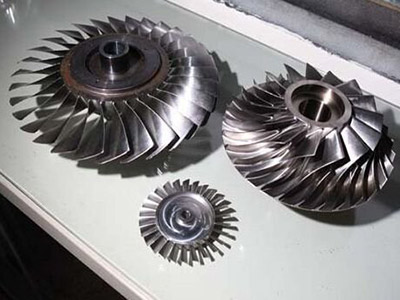
These alloys are useful in demanding applications where both strength and weight are important, including some
aerospace components and other high-performance equipment.
Overall, vanadium is an effective alloying element because even a small amount can improve the performance and service life of steel and other alloys.
Vanadium in Energy Storage
Energy storage is another important application for vanadium. It is mainly used in
vanadium redox flow batteries (VRFBs), which are designed for large-scale energy storage.
Vanadium Redox Flow Batteries
A vanadium redox flow battery uses vanadium-containing liquids, called
electrolytes, to store and release electrical energy. Different oxidation states of vanadium allow the battery to charge and discharge through reversible chemical reactions.
One advantage of this system is that the battery's
power and energy capacity can be designed separately. This makes VRFBs suitable for applications that need to store large amounts of electricity for long periods.
Renewable Energy and Grid Storage
Vanadium flow batteries can be used to store electricity generated by
solar and wind power. The stored energy can then be released when electricity demand is higher or renewable generation is lower.
They can also be used for
grid support, peak shaving, and backup power.
Compared with many conventional batteries, vanadium flow batteries offer advantages such as
long cycle life, high safety, and suitability for long-duration energy storage. As renewable energy continues to grow, vanadium-based energy storage is attracting increasing attention.
Vanadium Compounds and Chemical Applications
Vanadium is also used in the form of
chemical compounds. These compounds have different properties and can be used in chemical processing, catalysts, pigments, and other industrial applications.
Vanadium Pentoxide
Vanadium pentoxide (V₂O₅) is one of the most important vanadium compounds. It is widely used as a
catalyst because vanadium can change between different oxidation states during chemical reactions.
One of its major uses is in the production of
sulfuric acid, where it helps speed up the oxidation process.
Other Chemical Applications
Vanadium compounds are also used in other chemical processes and specialty materials. Depending on their composition, they can be used as:
·
Catalysts for chemical reactions
·
Pigments for glass, ceramics, and other materials
· Raw materials for producing other vanadium compounds
· Specialty chemicals for industrial and research applications
The ability of vanadium to form compounds with different chemical properties makes it useful beyond metal alloys. This is also why vanadium plays a role in both
traditional chemical industries and newer energy technologies.
Other Applications of Vanadium
Beyond steel, alloys, batteries, and chemical catalysts, vanadium is also used in several
specialized applications.
Aerospace
Vanadium is used in some
titanium and other specialty alloys for aerospace applications. It can help these alloys provide a useful combination of strength, low weight, and high-temperature performance.
Nuclear and Specialized Materials
High-purity vanadium and vanadium alloys have been studied and used for certain
nuclear and high-temperature applications. Their strength and resistance to demanding conditions make them useful where conventional materials may not perform well.
Glass and Ceramics
Vanadium compounds can be added to
glass and ceramic materials to produce specific colors and improve certain material properties. Vanadium-based pigments can create colors ranging from yellow and green to blue, depending on the compound and processing conditions.
Other Specialty Applications
Vanadium compounds are also used in
specialty chemicals, pigments, and advanced materials. These applications are generally smaller than the steel and energy-storage markets, but they show the versatility of vanadium and its compounds.
Overall, vanadium's applications extend from everyday industrial materials to highly specialized technologies, mainly because of its useful
mechanical and chemical properties.
Why Is Vanadium Important?

Vanadium is important because it can improve the performance of other materials and also support new technologies. Its value comes from the combination of its
physical strength and flexible chemical properties.
In steel and alloys, small amounts of vanadium can improve
strength, toughness, hardness, and wear resistance. This helps manufacturers produce materials that can handle demanding conditions and last longer.
Vanadium also has an important role in
energy storage. Its different oxidation states make it suitable for vanadium redox flow batteries, which can store large amounts of electricity for long periods.
In addition, vanadium compounds are useful in
chemical catalysts, glass, ceramics, and specialty materials.
These different roles make vanadium more than just an alloying metal. It is a material that connects
traditional industries, such as steelmaking, with growing fields such as renewable energy and large-scale energy storage.
Conclusion
Vanadium is a good example of how a small amount of an element can make a big difference. Its value is not just in the metal itself, but in how it can
change the performance of steel, alloys, chemical systems, and energy-storage technologies.
For manufacturers, the right vanadium material depends on the application. Purity, material form, composition, and required performance all need to be considered before purchase.
Looking for
vanadium metal, ferrovanadium, or vanadium compounds for your project?
Contact our team to discuss your specifications and find a suitable vanadium material for your application.