Complete Guide to AMS 7725 Tungsten Heavy Alloy for Manufacturing and Engineering
views, Updated: May 09, 2026 by aemmetal
Introduction
Tungsten heavy alloys are important materials when
high density, strength, and stability are needed.
AMS 7725 is a standard for sintered, high-density tungsten alloys. It contains
90% to 97% tungsten (W), with small amounts of nickel (Ni) and iron (Fe) as binders. This gives the alloy strong mechanical performance and good dimensional stability.
This guide explains the alloy's composition, main properties, manufacturing process, and typical applications. Whether you work in the medical, aerospace, or industrial sectors, knowing about AMS 7725 helps you choose the right material for components that need precise weight, reliability, and consistent performance.
By the end of this guide, you will see why this
high-density tungsten alloy is widely used for
medical shielding, counterweights, heat sinks, wear-resistant parts, and precision machinery, and how it can support your projects.
What is AMS 7725 Tungsten Heavy Alloy?
AMS 7725 is a
standard specification for tungsten heavy alloys. These alloys contain
90% to 97% tungsten (W), with small amounts of
nickel (Ni) and iron (Fe) as binders. They are typically
pressed and sintered, and in some cases, an additional
vacuum annealing step is applied to improve
toughness and elongation.
The standard defines
two types based on magnetic properties:
Type 1 (non-magnetic) and
Type 2 (magnetic). Non-magnetic versions use lower iron content or alternative binders to meet low magnetic requirements. The material can be supplied in a variety of
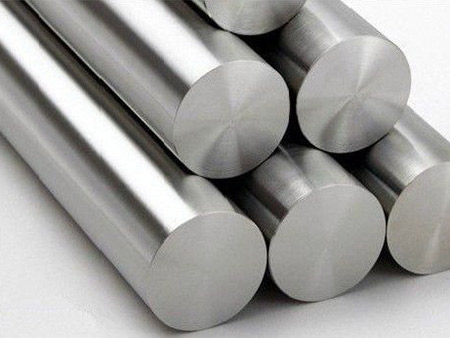
shapes, including rods, bars, plates, and custom components.
AMS 7725 differs from
ASTM B777 in its
testing requirements. Each powder lot and sintered batch must be tested, and tensile samples must match the actual part thickness. This ensures
reliable and consistent properties for
medical, aerospace, and industrial applications.
Typical uses of alloys meeting the AMS 7725 standard include:
-
Medical applications: radiation shielding, counterweights, and heat sink components.
-
Industrial applications: metallurgical, chemical, and rare earth processing; vacuum furnaces; glass fiber and industrial ceramics; transportation components; petroleum and chemical processing; aerospace and aviation.
-
Wear-resistant parts and high-density counterweights for precision machinery.
Its combination of
high density, strength, and magnetic options makes it suitable for components where
weight, stability, and durability are essential.
Key Properties of AMS 7725 Tungsten Heavy Alloy
Alloys produced to the
AMS 7725 standard are designed to deliver
consistent density, strength, and durability. Understanding these key properties helps manufacturers and engineers choose the right material for their applications.
1. Density
The alloy has an extremely
high density, typically ranging from
17.0 to 18.5 g/cm³, depending on the tungsten content. This makes it ideal for
counterweights, vibration damping, and precision machinery where mass must be concentrated in a small space.
2. Mechanical Strength
-
Ultimate Tensile Strength (UTS): 689–758 MPa (100–110 ksi), depending on class and heat treatment.
-
Yield Strength (YS): ≥648 MPa (≈75 ksi) across all classes.
-
The combination of high tensile and yield strength ensures the material can withstand heavy loads and mechanical stress.
3. Elongation
Elongation ranges from
2% to 5%, depending on the specific alloy type and whether it is
sintered and annealed. The annealed form improves
ductility, making it less prone to cracking in high-stress applications.
4. Hardness
Hardness typically ranges from
HRC 32 to 35, providing
excellent wear resistance for components subject to friction or repeated mechanical contact.
5. Magnetic Properties
The standard defines
non-magnetic (Type 1) and
magnetic (Type 2) alloys. Non-magnetic versions have low iron content or alternative binders to meet strict magnetic permeability limits, while magnetic types are used where some magnetic behavior is acceptable or required.
6. Thermal and Dimensional Stability
AMS 7725 alloys are
thermally stable and maintain
dimensional precision across a wide temperature range, making them suitable for
heat sinks and precision components in medical and industrial equipment.
Applications of AMS 7725 Tungsten Heavy Alloy
Alloys produced to the
AMS 7725 standard are highly valued for their
high density, strength, and thermal stability. These properties make them suitable for a wide range of
medical and industrial applications.
1. Medical Industry
AMS 7725 alloys are used in
radiation shielding due to their excellent ability to
absorb X-rays and other radiation. They are also applied in
counterweights and heat sink components for medical devices. The alloy maintains its
mechanical properties and stability even under high-temperature conditions, making it ideal for precision medical equipment.
2. Industrial Applications
The high density, hardness, and thermal stability of AMS 7725 alloys make them suitable for
wear-resistant parts, heat sinks, and counterweights in industrial machinery. They are widely used in:
-
Metallurgical, chemical, and rare earth processing
-
Vacuum furnaces and industrial ceramics
-
Glass fiber production and precision tooling
-
Transportation and petroleum equipment
3. High-Performance Components
AMS 7725 alloys are also applied in
high-end, demanding environments. Their
oxidation resistance and long-term thermal stability allow them to perform reliably at temperatures up to
1149°C, including exposure to
nitriding atmospheres. Applications include:
-
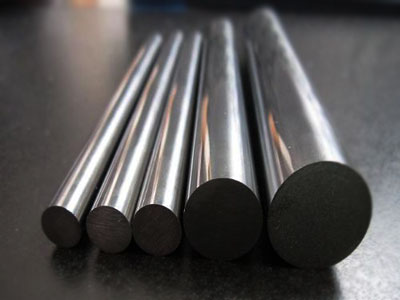
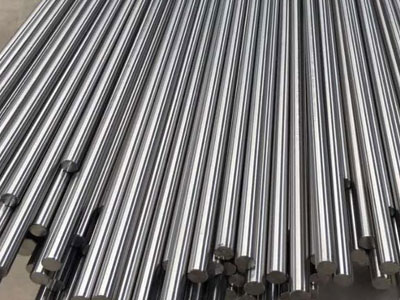
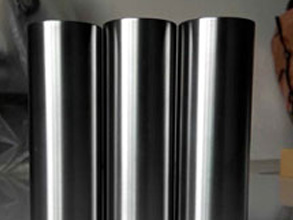
Sintered Tungsten Alloy Rods: excellent radiation absorption and high-temperature strength.
-
Tungsten Alloy Plates: high hardness, low thermal expansion, and outstanding thermal shock resistance; used in pressure vessels, cooling devices, and drilling equipment.
-
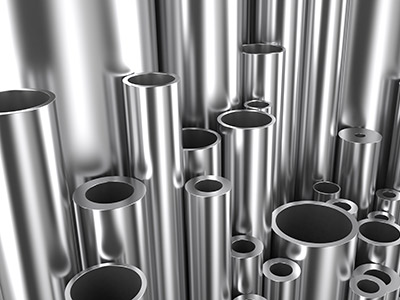
Tungsten Alloy Tubes: high density, corrosion and wear resistance, and strong high-temperature performance; used for counterweights, heat sinks, wear-resistant components, and thermocouple protection sleeves.
These applications demonstrate how AMS 7725 alloys combine density, strength, thermal stability, and corrosion resistance to meet the needs of medical, industrial, and precision engineering sectors.
Comparison with Other Tungsten Alloy Standards
AMS 7725 is a
high-density tungsten alloy standard that provides stricter requirements than many other specifications, such as ASTM B777 and MIL-T-21014D. Understanding these differences helps manufacturers select the right material for
medical and industrial applications.
Classes and Composition
AMS 7725 defines
Classes 1 to 4, with tungsten content ranging from
90% in Class 1 to 97% in Class 4. Nickel and iron act as binders, and their ratios decrease as tungsten content increases. Each class can be supplied in
magnetic or non-magnetic types, allowing for controlled magnetic properties in critical applications.
Testing and Quality Control
AMS 7725 has
stricter testing requirements compared to ASTM B777:
-
Each powder lot and sintered batch must be tested.
-
Tensile samples must match the thickness of the final part.
-
“Sintered and Annealed” forms require a vacuum anneal to improve elongation and toughness.
ASTM B777 testing is less strict, typically allowing one set of tests per powder lot, and vacuum annealing is not required. This makes AMS 7725 more reliable and consistent for applications that demand high performance.
Applications and Advantages
-
AMS 7725: Preferred for medical shielding, counterweights, heat sinks, wear-resistant parts, and precision machinery.
-
ASTM B777: Suitable for general industrial applications where standard mechanical and density properties are acceptable.
In summary, AMS 7725 provides better quality assurance, controlled properties, and magnetic options, making it ideal for high-performance medical and industrial applications, while ASTM B777 serves broader, less critical uses.
Conclusion
AMS 7725 is a
high-density tungsten alloy standard known for its strength, durability, and thermal stability. Its strict testing rules and options for magnetic or non-magnetic types make it very reliable for
medical, aerospace, and industrial uses.
Alloys meeting this standard are commonly used in
medical shielding, counterweights, heat sinks, wear-resistant parts, and precision machinery. Their combination of
high density and consistent performance makes them a top choice for projects where
reliability is critical.
If you need
high-quality AMS 7725 tungsten heavy alloys for your applications,
AEM Metal can provide expert advice and reliable supply.
Contact us today to discuss your requirements and get support for your projects.