ASTM B265 Titanium: Guide to Grades, Properties, and Industrial Applications
views, Updated: April 20, 2026 by aemmetal
Introduction
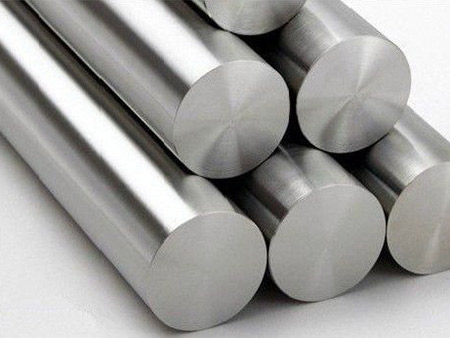
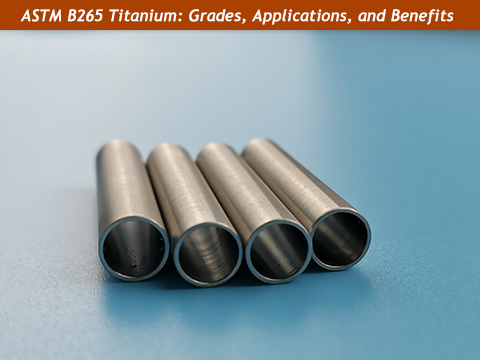
ASTM B265 titanium is a high-quality material used in industries like aerospace, chemical processing, medical devices, and marine applications. It is strong, lightweight, and highly resistant to corrosion, making it ideal for demanding environments.
In this guide, we'll explain the different grades, forms, and benefits of ASTM B265 titanium. We'll also share tips for choosing the right material and supplier. AEM Metal, a trusted
titanium manufacturer, provides reliable ASTM B265 titanium sheets, plates, rods, and tubes that meet strict industry standards.
Understanding ASTM B265 Titanium
Overview of the ASTM B265 Standard
ASTM B265 is the industry standard that specifies the chemical composition, mechanical properties, and manufacturing requirements for commercially pure (CP) titanium and common titanium alloys in sheet, plate, and strip forms. It ensures consistency and reliability, so materials perform predictably under demanding conditions such as high stress, corrosive environments, and elevated temperatures. The standard is widely recognized in aerospace, chemical processing, medical, and marine industries.
Key Mechanical and Chemical Properties
ASTM B265 titanium combines high strength, low density, and excellent corrosion resistance. Depending on the grade, it may also offer superior ductility or enhanced thermal stability. Typical properties include:
-
Tensile Strength: 240–1,100 MPa (varies by grade)
-
Elongation: 10–30%
-
Density: ~4.51 g/cm³
-
Corrosion Resistance: Excellent against seawater, chloride solutions, and oxidizing chemicals
These properties make it ideal for components that need to be lightweight yet strong, durable, and resistant to chemical attack.
How ASTM B265 Differs from Other Titanium Standards
While other standards may focus on specific alloys or product forms, ASTM B265 covers both commercially pure titanium (Grades 1–4) and alloyed titanium (Grade 5, Ti-6Al-4V). This provides manufacturers with flexibility to choose the right grade and form based on strength, corrosion resistance, or specific application requirements. It also ensures that all products meet consistent quality levels, making them suitable for high-performance applications in multiple industries.
Titanium Grades under ASTM B265
Commercially Pure (CP) Titanium Grades – 1, 2, 3, 4
ASTM B265 includes four main grades of commercially pure titanium:
-
Grade 1: Highest corrosion resistance, lowest strength. Ideal for chemical processing equipment, heat exchangers, and marine applications.
-
Grade 2: Good balance of corrosion resistance and strength. Widely used in aerospace, medical devices, and industrial equipment.
-
Grade 3: Moderate strength with slightly reduced corrosion resistance. Suitable for structural applications.
-
Grade 4: Highest strength among CP grades, with slightly lower corrosion resistance. Used in high-stress components.
These grades allow engineers to select the right balance of strength and corrosion resistance for specific environments.
Titanium Alloy Grades – 5, 9, 12
In addition to CP grades, ASTM B265 covers alloyed titanium, offering higher strength or enhanced properties:
-
Grade 5 (Ti-6Al-4V): 6% aluminum, 4% vanadium. High tensile strength (~1,100 MPa), good corrosion resistance, and excellent performance at elevated temperatures. Common in aerospace, medical implants, and industrial equipment.
-
Grade 9 (Ti-3Al-2.5V): 3% aluminum, 2.5% vanadium. Moderate strength with good corrosion resistance. Often chosen for tubing, aerospace components, and high-performance piping.
-
Grade 12 (Ti-0.3Mo-0.8Ni): Alloyed with molybdenum and nickel, offering excellent corrosion resistance in oxidizing and reducing environments. Used in chemical processing and marine applications where CP titanium may be insufficient.
Selecting the Right Grade for Your Project
Choosing the correct ASTM B265 grade depends on:
1.
Corrosion Environment: Seawater or chemicals may favor CP grades or Grade 12.
2.
Mechanical Load: High-stress components may require Grade 3, 4, 5, or 9.
3.
Fabrication Form: Sheets, plates, rods, or tubes may influence grade selection based on strength and workability.
4.
Cost Considerations: CP grades are generally more cost-effective, while alloyed grades offer specialized performance.
By understanding these grades and their properties, engineers can select the most suitable titanium for both performance and durability.
Forms and Fabrication of ASTM B265 Titanium
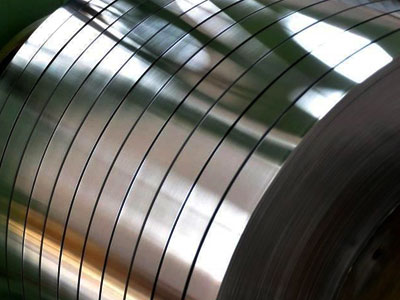
Sheets, Plates, and Strips
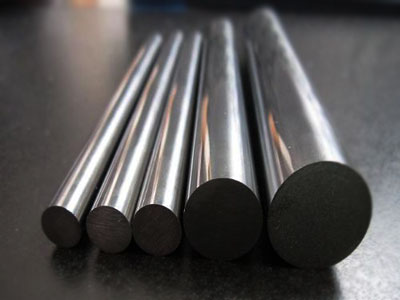
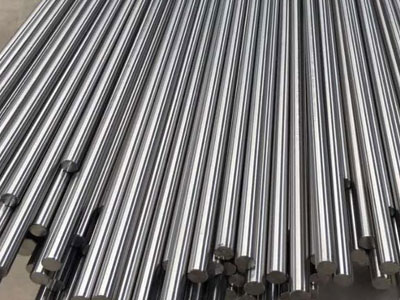
ASTM B265 titanium is commonly available as sheets, plates, and strips, which are widely used in aerospace, chemical, and medical industries.
-
Titanium Sheets: Thin, flat materials used for cladding, heat exchangers, and lightweight structures.
-
Titanium Plates: Thicker sections suitable for structural components, pressure vessels, and equipment that require high strength.
-
Titanium Strips: Narrower than sheets, ideal for small-scale fabrication, precision components, or specialized industrial applications.
These forms are easy to cut, bend, or roll, allowing manufacturers to produce components tailored to their specific needs.
Common Fabrication Techniques
ASTM B265 titanium can be fabricated using standard industrial processes. Common techniques include:
-
Cutting and Shearing: Used to produce sheets, plates, or strips of desired sizes.
-
Bending and Rolling: Allows the material to be shaped into curved or cylindrical components.
-
Welding: Specialized titanium welding techniques, such as TIG or electron beam welding, ensure strong joints without compromising corrosion resistance.
-
Machining: CNC machining or turning is used for precision components like rods, fasteners, and medical implants.
Because titanium is lightweight but strong and highly corrosion-resistant, careful handling during fabrication is important to prevent contamination and maintain material integrity.
Industrial Applications of ASTM B265 Titanium
Aerospace and Aviation Components
ASTM B265 titanium is widely used in aerospace due to its high strength-to-weight ratio and excellent performance at elevated temperatures. Typical applications include:
-
Aircraft structural components and frames
-
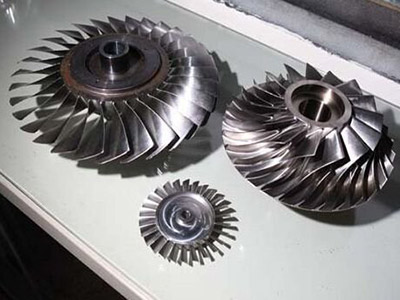
Engine parts, including compressors and turbines
-
Fasteners and landing gear components
Its combination of strength, light weight, and corrosion resistance helps improve fuel efficiency and durability in aviation.
Chemical Processing Equipment and Heat Exchangers
Titanium’s exceptional corrosion resistance makes it ideal for chemical and industrial applications:
-
Tanks and vessels for strong acids, alkalis, and other corrosive chemicals
-
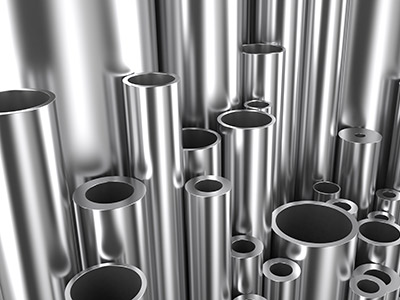
Heat exchangers, piping, and tubing in chemical plants
-
Pumps, valves, and fittings in harsh chemical environments
ASTM B265 titanium ensures long-term performance in environments where other metals may quickly corrode.
Medical Devices and Implants
Certain grades of ASTM B265 titanium, such as commercially pure Grades 1–4 and Grade 5 alloy, are biocompatible, meaning they are safe for use in the human body:
-
Orthopedic implants, like hip and knee replacements
-
Surgical instruments and dental implants
-
Prosthetic devices
The material’s corrosion resistance and lightweight nature make it ideal for long-term medical applications.
Marine, Offshore, and Corrosion-Prone Structures
Titanium’s resistance to seawater and chloride-rich environments makes ASTM B265 titanium perfect for marine applications:
-
Shipbuilding components and hull structures
-
Offshore oil and gas platforms
-
Marine piping and desalination systems
Using titanium in these applications reduces maintenance costs and extends the service life of structures exposed to harsh marine conditions.
Benefits and Advantages of ASTM B265 Titanium
Strength-to-Weight Ratio for High-Performance Uses
One of the main advantages of ASTM B265 titanium is its excellent strength-to-weight ratio. It is as strong as some steels but about 45% lighter, making it ideal for aerospace, automotive, and other applications where reducing weight without sacrificing strength is critical.
Corrosion and Temperature Resistance
ASTM B265 titanium resists corrosion in a wide range of environments, including:
-
Seawater and marine conditions
-
Strong acids, alkalis, and chemical processing fluids
-
High-temperature environments up to 400–500°C depending on the grade
This resistance ensures long-lasting performance, reducing maintenance costs and downtime for industrial equipment.
Biocompatibility for Medical Applications
Certain grades of ASTM B265 titanium are biocompatible, meaning they do not react adversely with the human body. This makes them suitable for:
-
Implants such as hip and knee replacements
-
Surgical instruments
-
Dental devices
Titanium’s combination of light weight, strength, and corrosion resistance makes it ideal for long-term medical applications.
Long-Term Cost Efficiency and Durability
Although titanium can be more expensive than some metals upfront, its durability, corrosion resistance, and low maintenance requirements make it cost-effective over the lifetime of the product. Choosing ASTM B265 titanium helps industries:
-
Extend equipment service life
-
Reduce repair and replacement costs
-
Improve overall reliability in harsh environments
Conclusion
ASTM B265 titanium is a
strong, lightweight, and corrosion-resistant material used across aerospace, chemical processing, medical, and marine industries. Choosing the right grade—Grades 1–4 for pure titanium or Grades 5, 9, 12 for alloyed titanium—ensures your project has the strength, durability, and performance it requires.
When it comes to sourcing, quality matters. AEM Metal, as a trusted ASTM B265 titanium manufacturer, provides high-quality sheets, plates, rods, and tubes that meet strict industry standards and come with full certification.
Ready to get started? Contact AEM Metal today to discuss your ASTM B265 titanium requirements and get materials that are reliable, certified, and ready for your next project.