Grade 4 Titanium: A Guide to Properties, Uses, and Benefits
views, Updated: April 24, 2026 by aemmetal
Introduction
Grade 4 titanium is a high-performance pure titanium. It combines strength, light weight, and corrosion resistance. It contains about 99% titanium, with small amounts of oxygen and iron to improve strength.
Among pure titanium grades, Grade 4 is the strongest, making it ideal for applications that need durable and reliable performance. Its price is generally slightly lower than Grade 1 and Grade 2, because it has a little less titanium content, offering a good balance of strength and cost.
Grade 4 titanium is used in products that need both strength and corrosion resistance. Common examples include eyewear frames, sports watches, high-end kitchenware, bicycle frames, and industrial components such as chemical reactors, seawater desalination equipment, and equipment housings. Its natural oxide layer protects against corrosion and gives a subtle metallic shine, adding a refined, premium look.
In short, Grade 4 titanium is a mid-tier premium pure titanium—strong, lightweight, corrosion-resistant, and versatile for both industrial and consumer applications.
What is Grade 4 Titanium?
Grade 4 titanium is the strongest commercially pure titanium. It contains about
99% titanium, with small amounts of oxygen and iron to increase strength. Unlike
alloyed titanium, such as Grade 5, it does not have aluminum or vanadium. This makes it easier to process while keeping excellent mechanical properties.
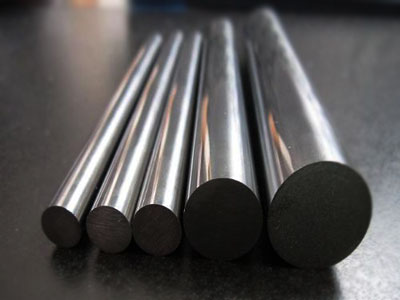
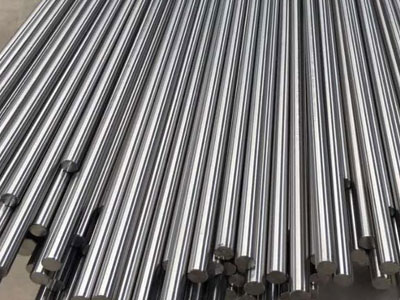
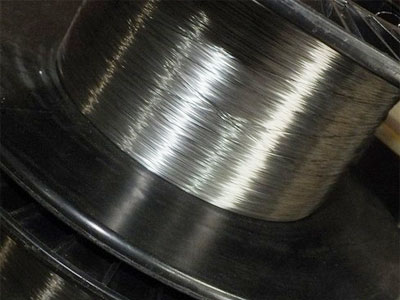
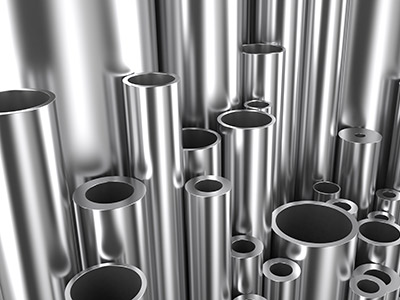
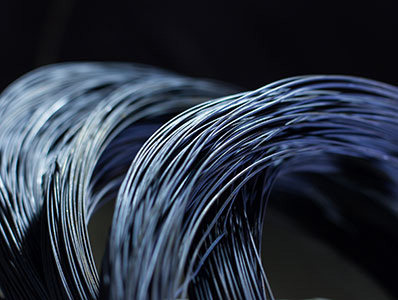
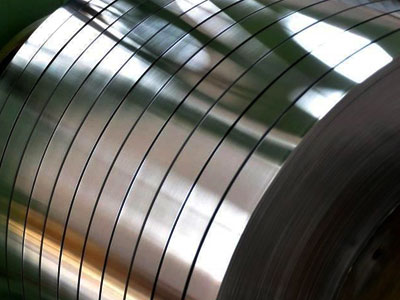
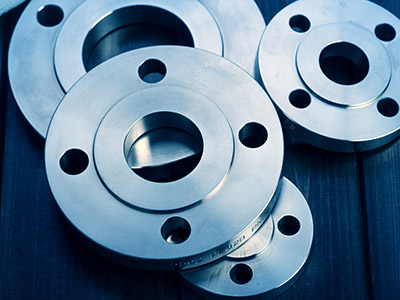
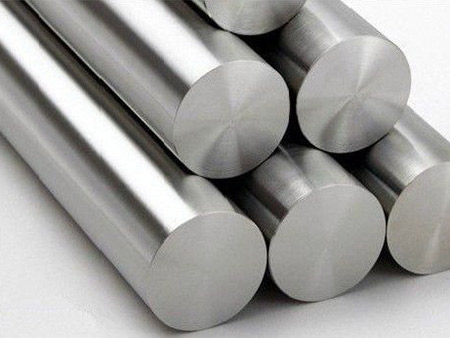
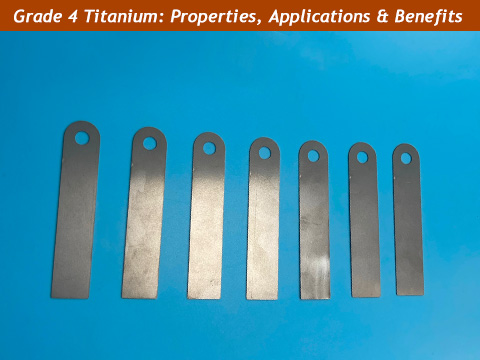
Grade 4 titanium is used in applications that need high strength, good flexibility, and corrosion resistance, but do not require complex alloys. It comes in many forms, including sheets, plates, bars, tubes, and wires, which makes it suitable for a wide range of industrial and consumer uses.
Its strength and durability sit between lower-grade pure titanium (Grades 1–3) and titanium alloys. This gives it a special role for projects that need strong, reliable performance with simpler processing.
Mechanical and Physical Properties of Grade 4 Titanium
Grade 4 titanium is valued for its balance of strength, ductility, and corrosion resistance. Some key properties include:
-
Tensile strength: About 550 MPa (megapascals), making it stronger than lower-grade pure titanium.
-
Yield strength: Around 480 MPa, which means it can handle significant stress before deforming.
-
Elongation: Typically 10–20%, allowing some flexibility under load.
-
Density: 4.43 g/cm³, which is 45% lighter than stainless steel.
-
Hardness: Roughly 180 HV (Vickers), providing good wear resistance.
Grade 4 titanium also performs well under high temperatures, withstanding up to 600°C without losing shape. Its excellent corrosion resistance makes it suitable for exposure to water, acids, and most oxidizing environments.
These properties make Grade 4 titanium a reliable choice for components that require strength, durability, and lightweight design without complex alloying.
Common Applications of Grade 4 Titanium
Grade 4 titanium is widely used in industries that require strength, corrosion resistance, and good formability. Its combination of properties makes it suitable for chemical, marine, and medical equipment industries, as well as certain high-end consumer and industrial applications.
Chemical Industry Components
In the chemical industry, Grade 4 titanium is often used for reactor parts, heat exchangers, and piping systems. It can withstand acids and oxidizing environments, ensuring a long service life even under harsh operating conditions.
Marine and Seawater Equipment
In marine applications, Grade 4 titanium is ideal for seawater desalination equipment, pumps, and piping. Its excellent corrosion resistance protects it from saltwater damage, which can quickly affect ordinary metals.
Medical Equipment Housings
In the medical equipment sector, Grade 4 titanium is used for equipment housings, surgical tool components, and support structures. While it is not typically used for implants, it offers strength, corrosion resistance, and good formability, making it suitable for medical devices that require durability and precision.
Industrial Machinery and Support Structures
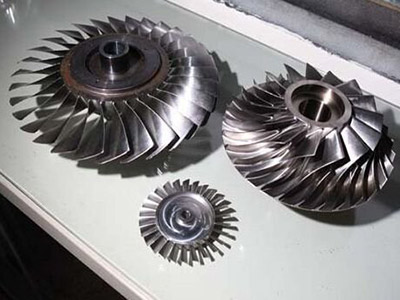
Grade 4 titanium is also found in industrial machines and aerospace support components. Its lightweight yet strong nature allows engineers to design parts that are durable without adding unnecessary weight.
High-End Consumer Products
Finally, Grade 4 titanium is popular in eyewear frames, sports watches, high-end kitchenware, and bicycle frames. These products benefit from its combination of strength, corrosion resistance, and a subtle metallic finish.
Benefits of Using Grade 4 Titanium
Grade 4 titanium is a premium pure titanium that combines strength, corrosion resistance, and durability. Its properties make it suitable for a wide range of industrial and high-end applications.
High Strength with Low Weight
Grade 4 titanium is strong yet lightweight, making it ideal for components that need to handle heavy loads without adding extra weight. This is useful in industrial structures, bicycle frames, and consumer products.
Excellent Corrosion Resistance
It forms a natural protective oxide layer, which shields it from saltwater, chemicals, and other corrosive environments. This makes it reliable for chemical reactors, seawater equipment, and protective housings.
Durable Under Stress
With a tensile strength up to 550 MPa (80 ksi), Grade 4 titanium maintains its shape and performance even under high pressure or harsh conditions, ensuring long-term reliability.
Versatile and Formable
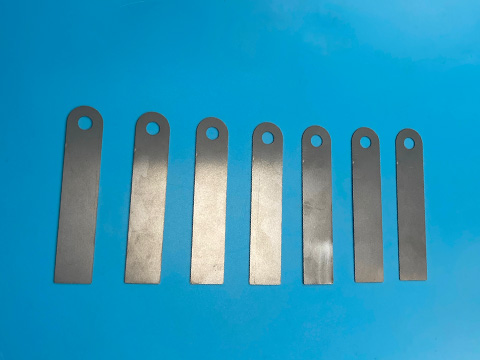
Even though it is strong, Grade 4 titanium can still be cold-worked into sheets, bars, tubes, or custom components, making it versatile for industrial and engineered applications.
High-Temperature Stability
Grade 4 titanium retains its strength at high temperatures, with a melting point around 1660°C (3020°F). This makes it suitable for aerospace components, high-temperature machinery, and heat-exposed applications.
Balanced Performance
Compared to lower-grade pure titanium, Grade 4 has slightly lower ductility but higher strength and better chemical resistance. It is the strongest commercially pure titanium, offering a good balance of strength, corrosion resistance, durability, and workability across industries.
In short, Grade 4 titanium is a reliable and versatile material, combining strength, corrosion resistance, and durability, making it a top choice for industrial, marine, and specialty consumer applications.
Grade 4 Titanium vs Grade 5 Titanium: Key Differences
Although both are titanium materials, Grade 4 titanium and
Grade 5 titanium (Ti-6Al-4V) serve different purposes because of their composition and resulting performance.
Composition
-
Grade 5 titanium is an alloy containing about 90% titanium, with 6% aluminum and 4% vanadium. These alloying elements significantly boost its mechanical strength.
-
Grade 4 titanium is a commercially pure titanium, with over 99% titanium. It only has trace amounts of iron and oxygen, which means it is more chemically pure and simpler to process.
Mechanical Properties
-
Grade 5 titanium is much stronger, with yield strength around 825–860 MPa, making it ideal for high-load applications like aerospace components and medical implants.
-
Grade 4 titanium, while the strongest among pure titanium grades, has a yield strength of 380–450 MPa—roughly half that of Grade 5—but it offers better ductility and is easier to shape into complex parts.
Corrosion Resistance
-
Grade 5 titanium performs very well in acidic or high-temperature environments due to the alloying elements.
-
Grade 4 titanium excels in general corrosion resistance, particularly in sea water, chemical processing, and outdoor environments, making it ideal for equipment exposed to harsh atmospheres or corrosive fluids over long periods.
Workability
-
Grade 5 titanium is harder to process, requiring hot forming methods like forging or hot rolling, which increases production complexity.
-
Grade 4 titanium supports cold processing, such as cold rolling or cold drawing, which allows efficient production of thin sheets, wires, and precise components at lower cost.
Typical Applications
-
Grade 5 titanium is used where maximum strength is critical, such as aircraft engine parts, high-performance fasteners, and orthopedic implants.
-
Grade 4 titanium is preferred in applications that need good strength, corrosion resistance, and easy forming, such as chemical reactors, seawater desalination equipment, and medical device housings.
In short, Grade 5 titanium is the choice for high-strength, high-load scenarios, while Grade 4 titanium is better for corrosion-resistant, cold-worked applications where shaping and cost efficiency are important.
Conclusion
Grade 4 titanium is a high-quality pure titanium known for its strength, corrosion resistance, and durability. It is strong enough for demanding industrial uses but still lightweight, making it a versatile material for many applications.
It works well in chemical equipment, seawater systems, industrial machinery, and even high-end consumer products. Its natural oxide layer protects against corrosion, and it can be shaped into sheets, bars, tubes, or custom components, giving designers and engineers flexibility.
In short, Grade 4 titanium is a reliable and practical material that balances strength, durability, and corrosion resistance. If your project needs a material that performs well under stress and lasts long,
contact us today to get a quote or discuss your Grade 4 titanium requirements.