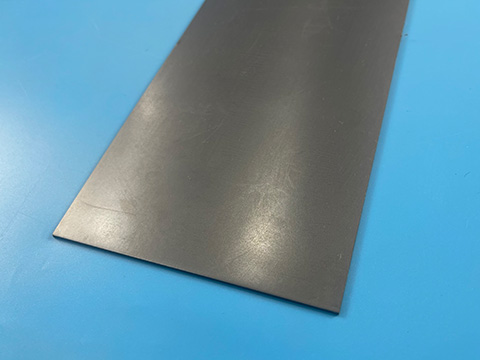
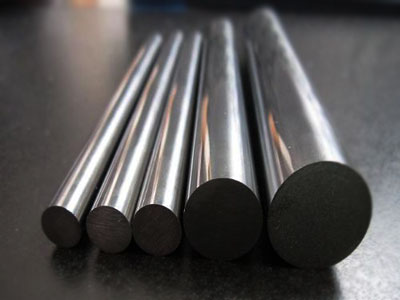
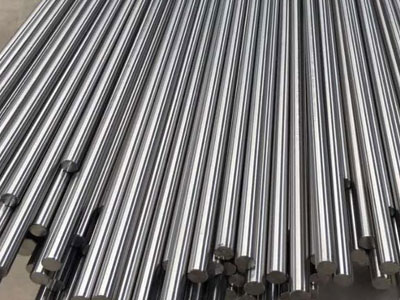
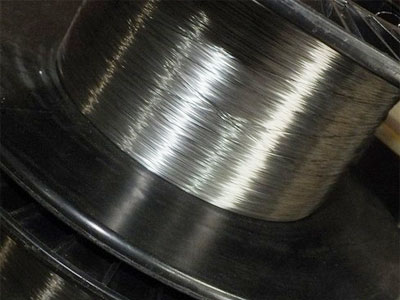
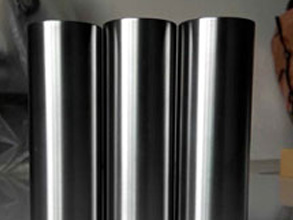
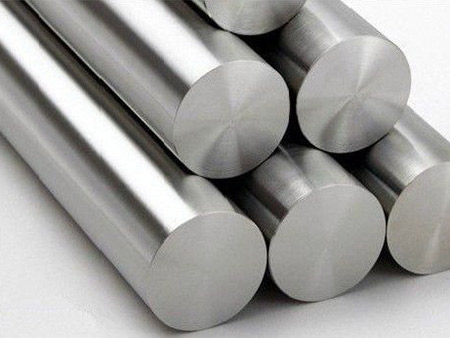
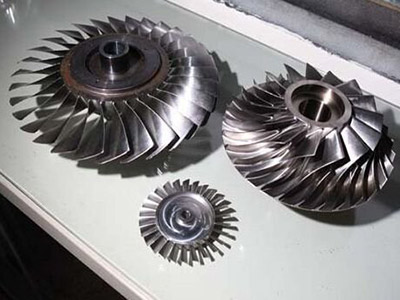
Titanium surface finish refers to the condition and texture of the titanium surface after manufacturing or treatment. It describes how smooth or rough the surface is, as well as its visual appearance.
During the production of titanium materials such as sheets, plates, rods, or machined parts, the surface can be modified through different finishing methods. These processes may include polishing, brushing, blasting, anodizing, or chemical treatments. Each method changes the surface characteristics in a different way.
A key parameter used to describe surface finish is surface roughness, commonly measured as Ra (average roughness). A lower Ra value indicates a smoother surface, while a higher Ra value means the surface is rougher.
In practical applications, titanium surface finish is not only about appearance. It also plays an important role in determining how the material performs in different environments. For example, a polished surface may reduce friction, while an anodized surface can improve corrosion resistance and provide decorative colors.
The surface finish of titanium components can significantly affect their performance, durability, and usability. Choosing the right finish is therefore an important step in many engineering and manufacturing applications.
1. Corrosion Resistance
Titanium is naturally resistant to corrosion because it forms a stable oxide layer on its surface. However, certain surface treatments—such as passivation or anodizing—can further enhance this protective layer. This is especially important in chemical processing, marine environments, and medical applications.
2. Fatigue Performance
Surface condition can influence how titanium parts behave under repeated stress. Rough surfaces may contain small imperfections that act as stress concentration points. Smoother finishes can help reduce these risks and improve fatigue life, which is critical for aerospace and structural components.
3. Wear and Friction
In applications where titanium parts move against other surfaces, such as mechanical systems, surface finish can affect friction and wear. Polished or coated surfaces may provide better wear resistance and smoother operation.
4. Cleanliness and Hygiene
In industries such as medical devices, pharmaceuticals, and food processing, surface cleanliness is very important. Smooth finishes are easier to clean and reduce the risk of contamination.
5. Appearance and Decorative Value
Surface finish also influences the visual appearance of titanium products. For example, polished titanium offers a bright metallic shine, while anodized titanium can produce a range of attractive colors. These finishes are commonly used in consumer products, jewelry, and architectural designs.
In summary, titanium surface finish is more than just a visual feature. It directly affects the performance, durability, and functionality of titanium components across many industries. Understanding the different finishing options can help engineers and buyers select the most suitable surface treatment for their specific applications.

Titanium can be finished in several different ways depending on the performance requirements, surface appearance, and application environment. Each surface finish provides unique characteristics, such as smoother texture, improved corrosion resistance, or a decorative appearance.
Below are some of the most common titanium surface finishes used in industrial and commercial applications.
Mill finish is the natural surface condition of titanium after rolling, forging, or forming during the manufacturing process. It usually appears slightly dull and may have minor surface texture from the production process.
This finish is commonly used when surface appearance is not critical and the focus is mainly on material performance.
Typical characteristics:
Typical applications:
Because mill finish requires minimal additional processing, it is often chosen for cost-sensitive projects.
Polished titanium is produced through mechanical polishing or buffing, which gradually smooths the surface using fine abrasives. The level of polishing can vary from a soft satin finish to a highly reflective mirror finish.
This finish significantly reduces surface roughness and improves the visual appearance of titanium.
Typical characteristics:
Typical applications:
In many cases, polished titanium is selected when both surface performance and aesthetics are important.
A brushed finish is created by abrasive brushing in a consistent direction, producing fine parallel lines on the surface. This creates a distinctive textured appearance while still maintaining a relatively smooth surface.
Compared with polished finishes, brushed titanium has a more subtle and modern appearance.
Typical characteristics:
Typical applications:
Brushed titanium is widely used where visual design and durability are both important.
Bead blasting is a surface finishing process that uses fine glass beads or other media blasted at high speed onto the titanium surface. This creates a uniform matte texture and removes surface imperfections.
The result is a non-reflective and evenly textured surface.
Typical characteristics:
Typical applications:
Bead blasted titanium is often chosen for applications that require a clean and uniform surface appearance.
Anodizing is an electrochemical process that thickens the natural oxide layer on the titanium surface. By controlling the voltage during anodizing, different colors can be produced without using dyes or pigments.
In addition to decorative effects, anodizing can also enhance the protective oxide layer.
Typical characteristics:
Typical applications:
Because the colors come from the oxide layer itself, anodized titanium finishes are highly stable and resistant to fading.
Passivation is a chemical treatment process used to remove contaminants such as free iron from the titanium surface. This process strengthens the natural oxide layer that protects titanium from corrosion.
Unlike polishing or blasting, passivation does not significantly change the visual appearance of the metal.
Typical characteristics:
Typical applications:
Passivation is often used when high corrosion resistance and cleanliness are required.
Because titanium can be finished in several different ways, it can sometimes be difficult to quickly understand the differences between each option. A comparison table helps summarize the surface texture, roughness level, advantages, and typical applications of common titanium finishes.
The table below provides a general overview of widely used titanium surface finishes.
|
Surface Finish |
Surface Texture |
Typical Roughness (Ra) |
Main Advantages |
Typical Applications |
|
Mill finish |
Slightly rough, natural metallic surface |
3.2–6.3 μm |
Low cost, minimal processing |
Industrial parts, structural components |
|
Bead blasted |
Uniform matte surface |
1.6–3.2 μm |
Non-reflective, consistent appearance |
Aerospace parts, medical tools |
|
Brushed |
Linear texture pattern |
0.8–1.6 μm |
Decorative look, scratch masking |
Consumer products, architectural panels |
|
Polished |
Smooth metallic surface |
0.2–0.8 μm |
Reduced friction, attractive appearance |
Medical devices, precision components |
|
Mirror polished |
Highly reflective surface |
<0.2 μm |
Ultra-smooth finish, premium appearance |
Jewelry, decorative products |
|
Anodized |
Colored oxide surface |
Depends on base finish |
Decorative colors, improved corrosion resistance |
Medical implants, decorative components |
Surface texture
Surface texture describes the visual and physical characteristics of the surface. For example, bead blasted surfaces appear matte, while polished surfaces are smooth and reflective.
Surface roughness (Ra)
Surface roughness is typically measured using Ra (average roughness). Lower Ra values indicate smoother surfaces. Smoother surfaces are often required in applications where low friction, cleanliness, or precise contact surfaces are important.
Overall, the best titanium surface finish depends on the specific performance requirements, appearance needs, and cost considerations of the application. The following section will compare two commonly discussed finishes—polished titanium and anodized titanium—to help clarify when each option is most appropriate.
Polished titanium and anodized titanium are two commonly used surface finishes, but they serve different purposes. While polished titanium focuses on creating a smooth and reflective metallic surface, anodized titanium modifies the oxide layer to produce colored and more corrosion-resistant surfaces.
Understanding the differences between these two finishes can help engineers and buyers select the most suitable option for their applications.
The most noticeable difference between polished and anodized titanium is their visual appearance.
Polished titanium has a smooth and shiny metallic look. Depending on the polishing level, the surface can range from a soft satin finish to a highly reflective mirror finish. The natural silver-gray color of titanium remains visible.
Anodized titanium, on the other hand, can display a wide range of colors such as blue, gold, purple, and green. These colors are created by the thickness of the oxide layer formed during the anodizing process, rather than by dyes or pigments.
As a result, anodized titanium is often used when a decorative appearance or color identification is required.
Besides appearance, polished and anodized titanium also differ in their surface properties.
|
Feature |
Polished Titanium |
Anodized Titanium |
|
Surface appearance |
Smooth metallic shine |
Colored oxide surface |
|
Surface roughness |
Very smooth |
Depends on the base finish |
|
Corrosion resistance |
Good |
Enhanced due to thicker oxide layer |
|
Decorative effect |
Moderate |
Very high |
|
Surface protection |
Limited |
Improved oxide protection |
Polished surfaces are typically smoother, which can reduce friction and improve cleanliness. Anodized surfaces provide additional surface protection and visual identification.

In addition to traditional surface finishes, titanium components can also be enhanced with surface coatings. These coatings are typically applied as thin layers on the titanium surface to improve specific properties such as wear resistance, surface hardness, corrosion protection, or decorative appearance.
Surface coatings are commonly used in applications where titanium parts must perform in demanding mechanical, chemical, or high-precision environments.
Below are several coating technologies frequently used on titanium materials.
Electroplating is a process that deposits a thin layer of metal onto the surface of a material using an electric current. However, titanium is naturally covered by a very stable oxide layer, which makes direct electroplating more challenging than with many other metals.
To achieve reliable plating, the titanium surface usually requires special pre-treatment or an intermediate layer, such as nickel, to improve adhesion.
Common electroplated coatings include:
These coatings are often used in applications that require improved electrical conductivity, corrosion resistance, or decorative appearance.
Typical applications include:
PVD (Physical Vapor Deposition) is a vacuum coating technology used to deposit very thin and hard coatings onto the titanium surface. During the process, coating materials are vaporized and then condensed onto the component surface in a controlled environment.
PVD coatings are known for their excellent hardness, wear resistance, and strong adhesion.
Common PVD coatings applied to titanium include:
These coatings can significantly improve surface durability and are widely used in high-performance engineering applications.
Typical applications include:
AF coating, or anti-fingerprint coating, is a specialized surface treatment designed to reduce fingerprints, smudges, and oils on the metal surface. This coating creates a thin protective layer that improves surface cleanliness and makes the surface easier to maintain.
While AF coatings do not significantly change the mechanical properties of titanium, they are highly useful for products where visual appearance and surface cleanliness are important.
Key advantages include:
Typical applications include:
Overall, surface coatings provide additional ways to enhance titanium components beyond traditional surface finishing methods. By selecting the appropriate coating technology, manufacturers can further improve the performance, durability, and appearance of titanium parts in different industries.
Choosing the right titanium surface finish is important, but working with a reliable titanium supplier is also essential. An experienced supplier can help ensure that the material and surface finish meet the requirements of your application.
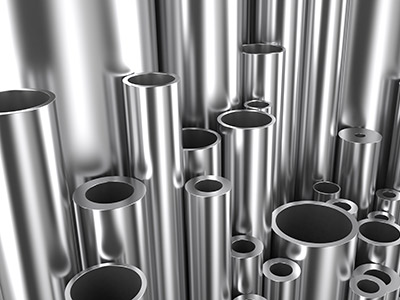
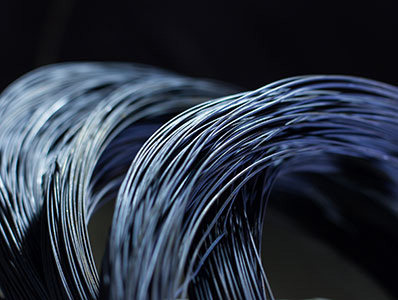
Titanium is available in different grades and product forms, such as sheets, plates, rods, and wires. Different applications may require different surface finishes. A professional supplier can help customers choose the right:
This helps ensure the material performs well in the intended environment.
For many industries, such as aerospace, medical, and chemical processing, consistent surface quality is very important.
Reliable suppliers usually follow strict quality control to ensure titanium materials meet the required specifications and surface standards.
Some projects require custom sizes or specific surface finishes. Working with a supplier that supports customization can make the purchasing process easier.
For example, AEM Metal supplies titanium materials such as sheets, rods, bars, plates, and wires for different industries and also provides customized solutions. Working with an experienced supplier can help ensure the right titanium material and surface finish are selected for your project.
Titanium surface finish is an important factor when selecting titanium materials for different applications. The right surface finish can improve how a component performs, how long it lasts, and how it looks.
In practice, there is no single finish that fits every situation. The best choice depends on the working environment, performance requirements, and appearance needs of the product. Understanding the differences between common finishes can help engineers and buyers make better decisions when selecting titanium materials.
If you are unsure which titanium surface finish is suitable for your project, contact our sales team for support. AEM Metal supplies titanium materials and provides customized solutions for various industrial applications.
Posted on March 11, 2026 by aemmetal
Posted on February 28, 2026 by aemmetal
Posted on February 10, 2026 by aemmetal
Posted on December 31, 2025 by aemmetal
Posted on December 26, 2025 by aemmetal
Posted on November 14, 2025 by aemmetal
Posted on June 20, 2024 by aemmetal
Posted on July 31, 2024 by aemmetal
Posted on April 26, 2023 by aemmetal
Posted on October 27, 2023 by aemmetal