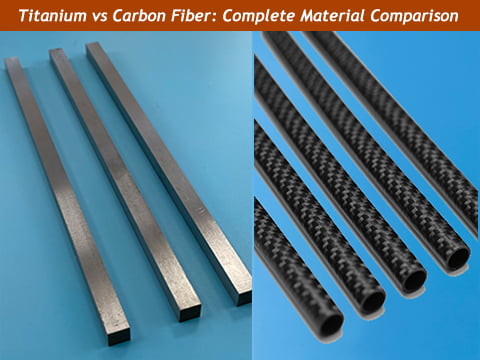
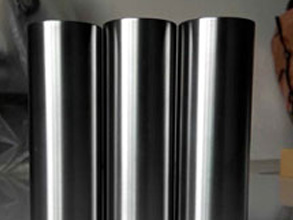
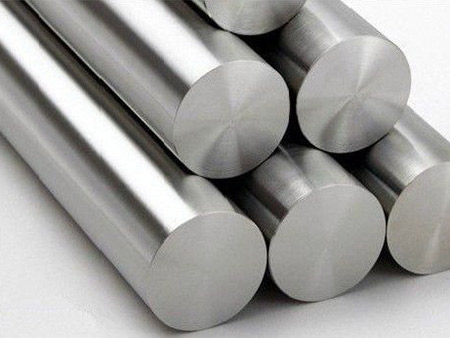
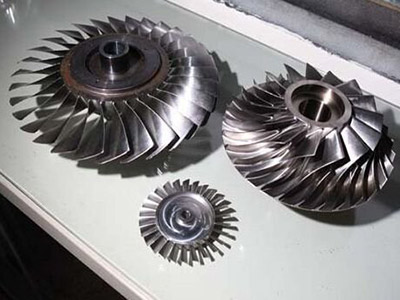
Titanium and carbon fiber are two of the most talked-about materials in high-performance industries. Both are strong, lightweight, and used in demanding applications — but they’re very different in structure, behavior, and cost.
Titanium is a metal known for its strength, durability, and corrosion resistance. It’s widely used in aerospace, medical, and industrial parts where long-term reliability matters. Carbon fiber is a composite made from carbon strands and resin. It’s extremely light and strong in specific directions, making it popular in sports equipment, racing, and lightweight structural parts.
If you're deciding which material to use, it’s not just about performance — it’s also about cost, design, and how the part will be used. This guide compares titanium and carbon fiber side by side, helping U see which one fits best for your product or project.
Whether U’re building aerospace parts, bike frames, or precision components, this blog will help U make a smarter material choice.
Overview of Each Material
What is Titanium?
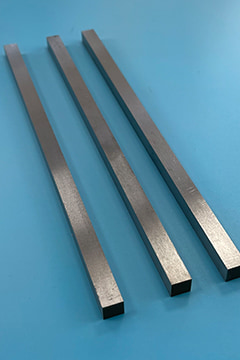
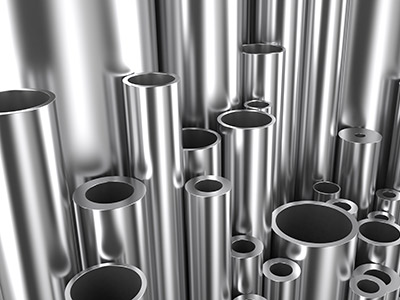
Titanium is a metallic element known for being strong, lightweight, and highly resistant to corrosion. Compared to steel, it offers similar strength at nearly half the weight. It’s also biocompatible, which means it’s safe to use inside the human body — one reason it’s commonly found in medical implants.
In the industrial world, titanium is available in several grades. The most common are:
-
Grade 2: Commercially pure, easy to form and weld
-
Grade 5 (Ti-6Al-4V): High strength and heat resistance, widely used in aerospace
-
Grade 23 (Ti-6Al-4V ELI): Medical-grade titanium with extra low interstitials
Titanium is often used when parts must handle stress, corrosion, or extreme temperatures — such as in aircraft components, marine systems, chemical processing, or performance automotive parts.
What is Carbon Fiber?
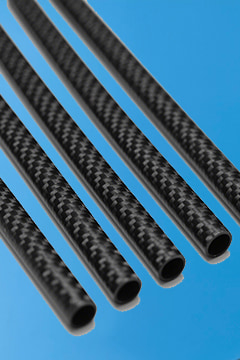
Carbon fiber is not a metal — it’s a composite material made by weaving together strands of carbon, which are then set in a resin (like epoxy). The result is an ultra-lightweight and extremely stiff material that performs best when loads are applied in the right direction.
There are different types of carbon fiber, such as:
-
Woven fabric: Strong and good for complex shapes
-
Unidirectional tape: Optimized strength in one direction
-
Prepreg: Pre-impregnated with resin for precise control and easy molding
Because it’s so light and can be shaped easily into aerodynamic forms, carbon fiber is used in sports equipment, race cars, drones, aerospace panels, and even high-end consumer products.
Cost Comparison
Price plays a major role when deciding between titanium and carbon fiber — not just the cost of raw materials, but also the cost to process, assemble, and maintain the final product. Here’s how the two materials stack up:
Raw Material Costs
Titanium is a premium metal. Prices vary by grade and market conditions, but overall, it’s more expensive than aluminum or steel. That said, it’s still generally less expensive than aerospace-grade carbon fiber on a per-kg basis.
Carbon fiber, especially high-quality prepreg material, is one of the most expensive engineering materials by weight. However, since it’s much lighter, you may use less material overall to achieve the same structural performance — which can offset the high price per kg in some designs.
Quick takeaway:
-
Carbon fiber costs more per kg, but less may be needed
-
Titanium is costly, but offers consistent strength and long-term value
Processing & Manufacturing Costs
Titanium is tough to work with. Machining, welding, and finishing titanium require special tools, skilled labor, and more time — all of which drive up production costs. However, its metalworking methods are well-established.
Carbon fiber parts are formed in molds, often by hand layup or in autoclaves. This requires tooling, setup time, and labor — especially for complex shapes or small production runs. For mass production, the upfront mold cost can be high, but per-part costs drop with volume.
Quick takeaway:
-
Titanium has higher machining and finishing costs
-
Carbon fiber has higher upfront tooling costs but can be efficient in volume
Maintenance & Lifecycle Costs
Titanium is incredibly durable. It resists corrosion, holds its strength for decades, and can be re-machined or repaired using standard methods. That means lower long-term maintenance costs.
Carbon fiber doesn’t rust, but it’s more prone to hidden internal damage from impacts. Small cracks or delamination can be hard to detect and often mean replacement instead of repair. UV degradation of resin is also a concern without protective coatings.
Quick takeaway:
-
Titanium is often more cost-effective over the long run
-
Carbon fiber may require careful inspection and more frequent replacement in harsh use cases
Industry Applications: Where Titanium and Carbon Fiber Excel
Both titanium and carbon fiber are premium materials used in high-performance industries — but their roles are often very different. Engineers and procurement teams must consider not only the material properties, but also how those properties translate into performance, compliance, and ROI across specific applications.
Here’s how these two materials perform in key sectors:
Aerospace and Aviation
Titanium is a staple in aerospace engineering due to its excellent strength-to-weight ratio, fatigue resistance, and ability to withstand extreme temperatures. It is extensively used in airframe structures, turbine engines, and hydraulic systems.
Carbon fiber is favored in secondary structures such as fairings, nacelles, cabin interiors, and control surfaces. Its light weight improves fuel efficiency and allows for more complex aerodynamic designs.
Summary:
-
Titanium is preferred for high-load, high-temperature, and safety-critical components
-
Carbon fiber dominates in non-load-bearing parts where weight savings are paramount
Automotive and Motorsports
Titanium is commonly used in exhaust systems, valves, suspension components, and fasteners in performance vehicles, where thermal stability and mechanical strength are critical.
Carbon fiber is used in body panels, monocoque chassis, aerodynamic kits, and interior trim — offering unmatched weight reduction, which translates directly to speed and handling improvements.
Summary:
-
Titanium ensures durability and heat resistance under extreme driving conditions
-
Carbon fiber enables ultra-lightweight vehicle design and optimized performance
Medical and Healthcare
Titanium is widely accepted for orthopedic implants, dental posts, and surgical instruments due to its biocompatibility, non-toxicity, and corrosion resistance. It integrates well with bone and soft tissue over long-term use.
Carbon fiber composites are used in prosthetics, surgical instruments, and diagnostic tools (e.g., CT-compatible tables), valued for their low weight and radiolucency.
Summary:
-
Titanium is the gold standard for permanent implants and load-bearing medical devices
-
Carbon fiber is useful in temporary or external components and imaging environments
Titanium finds use in high-end bicycles, golf club heads, and durable outdoor gear where toughness and longevity are essential.
Carbon fiber leads in competitive sports — tennis rackets, racing bikes, paddles, helmets — where every gram matters, and stiffness improves control.
Summary:
-
Titanium offers long-term durability in demanding recreational environments
-
Carbon fiber is ideal for maximum performance in weight-sensitive sports
Sustainability and Recycling: Key Considerations for Material Selection
Titanium and carbon fiber offer impressive performance benefits, but they differ significantly in sustainability, recyclability, and environmental compliance. For companies focused on long-term material strategies and regulatory requirements, these differences can influence purchasing decisions just as much as mechanical properties.
Environmental Impact of Manufacturing
Titanium requires energy-intensive extraction and refining processes, particularly the Kroll method. However, once in use, titanium parts often last for decades due to their excellent corrosion resistance and fatigue strength. This long service life can reduce the environmental burden over time by minimizing part replacements and downtime.
Carbon fiber also involves a high energy cost to produce. Creating the fiber from polyacrylonitrile (PAN) or pitch precursors, then layering it with resin and curing it at high temperatures, demands substantial energy input. In addition, most resins used in composites are derived from fossil fuels and are not biodegradable.
Summary:
Both materials involve energy-intensive production, but titanium’s durability often results in lower total lifecycle impact, especially in long-term use applications.
Recycling and End-of-Life Options
Titanium is fully recyclable. Manufacturing scrap and used components can be collected and remelted with minimal material loss. The recycled metal retains its strength and quality, making titanium a strong fit for circular manufacturing initiatives in aerospace, medical, and industrial sectors.
Carbon fiber, especially thermoset-based composites, is much more difficult to recycle. While mechanical and chemical recycling methods exist, they are costly, less scalable, and often result in reduced mechanical properties. Recovered fibers are typically used in non-structural or secondary applications.
Summary:
-
Titanium supports efficient closed-loop recycling
-
Carbon fiber recycling is limited, with reduced performance in most recovered materials
Compliance and Material Traceability
In regulated industries like aerospace, defense, and healthcare, traceability and standards compliance are essential.
-
Titanium is well-established in global certification systems and often supplied with full documentation (e.g., ASTM, ISO, AMS).
-
Carbon fiber may raise regulatory concerns depending on the resin system used, especially when environmental compliance or chemical restrictions apply.
From a sustainability and compliance standpoint, titanium currently offers a more robust and proven pathway. It aligns well with recycling programs, regulatory requirements, and long service cycles. While carbon fiber delivers performance advantages in lightweight design, it remains less mature in terms of recyclability and environmental lifecycle management.
Conclusion: Why Titanium Is Still the Better Choice for Critical Applications
Titanium and carbon fiber are both advanced materials, but they're used for different reasons.
Carbon fiber is great when weight is the top priority and the load direction is well controlled — like in sports gear or aerodynamic parts. However, it’s harder to recycle, more sensitive to damage, and less suitable for high temperatures or complex loads.
Titanium stands out when strength, durability, and safety really matter. It performs well under pressure, resists corrosion, lasts for years, and meets strict quality standards across aerospace, medical, and industrial use.
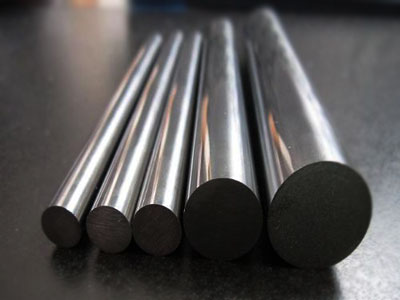
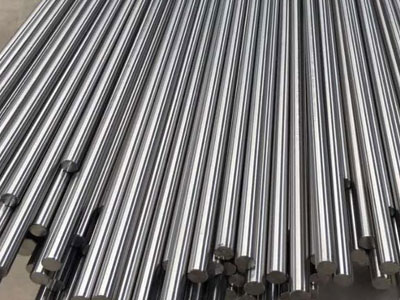
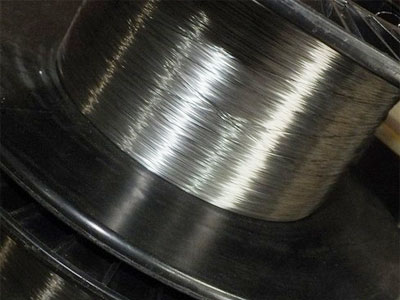
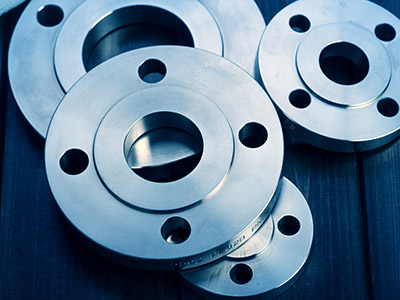
At AEM Metal, we focus entirely on titanium products — from bars and plates to custom parts made to your drawings. We support both small-batch and bulk orders, offer material certifications, and help you select the right grade based on your project needs.