Tungsten Copper Alloy: Properties, Grades & Uses
views, Updated: October 21, 2026 by aemmetal
Introduction
Tungsten copper alloy combines two metals with different properties. Tungsten provides high density and low thermal expansion, while copper offers good electrical and thermal conductivity.
This combination makes tungsten copper alloy useful for electrical contacts, welding electrodes, heat sinks, and other industrial applications.
Different grades offer different levels of performance. In this guide, we will explain the properties, common grades, and applications of tungsten copper alloy, helping you understand how to choose the right material for your needs.
What Is Tungsten Copper Alloy?
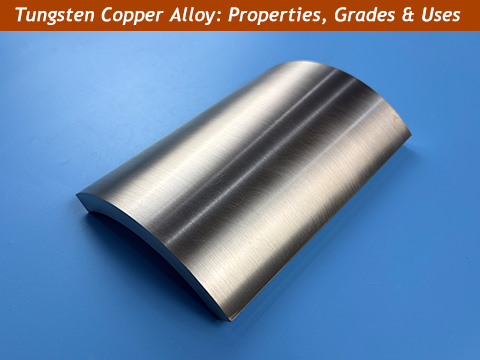
Tungsten copper alloy is a composite material made from tungsten and copper. It combines the strength and heat resistance of tungsten with the good electrical and thermal conductivity of copper.
Manufacturers usually produce this material through powder metallurgy. This process allows the two metals to work together even though they have very different melting points.
The result is a material that performs well in applications involving high temperatures, electrical current, or rapid heat transfer.
Composition of Tungsten Copper Alloy
Tungsten copper alloy comes in different grades, each with a different ratio of tungsten to copper.
Common grades include W70Cu30, W75Cu25, W80Cu20, W85Cu15, and W90Cu10. The numbers show the weight percentage of each metal. For example, W80Cu20 contains 80% tungsten and 20% copper by weight.
The ratio affects the material's performance:
· More tungsten: Higher density and lower thermal expansion.
· More copper: Generally better electrical and thermal conductivity.
The right grade depends on your application. For example, some electrical contacts require high wear resistance, while heat sinks need efficient heat transfer and low thermal expansion.
Why Combine Tungsten and Copper?
Tungsten and copper have different properties that work well together.
· Tungsten offers high-temperature strength, high density, and low thermal expansion.
· Copper provides excellent thermal and electrical conductivity.
Combining them creates a material that can transfer heat, conduct electricity, and maintain dimensional stability during temperature changes.
Different tungsten-to-copper ratios provide different performance levels. This allows manufacturers to produce materials for applications such as electrical contacts, welding electrodes, and electronic heat sinks.
Properties of Tungsten Copper Alloy
Tungsten copper alloy combines the strengths of tungsten and copper. It offers high density, good thermal and electrical conductivity, low thermal expansion, and good resistance to heat and wear.
Its properties depend on the ratio of tungsten to copper. Different grades are designed for different industrial applications.
High Density and Low Thermal Expansion
Tungsten copper alloy has a high density because tungsten is a heavy metal. The higher the tungsten content, the higher the density.
It also expands very little when heated. This helps components maintain their shape and dimensions during temperature changes.
Thermal Conductivity and Heat Dissipation
Copper helps tungsten copper alloy transfer heat efficiently. This makes the material suitable for heat sinks, electronic packaging, and other components that need to remove heat quickly.
In general, grades with higher copper content have better thermal conductivity.
Electrical Conductivity
Tungsten copper alloy conducts electricity well, thanks to its copper content. However, its electrical conductivity is lower than that of pure copper.
Higher copper content generally improves conductivity, making copper-rich grades suitable for electrical contacts and other conductive components.
High-Temperature Resistance
Tungsten has a very high melting point and maintains its strength at high temperatures. Copper helps transfer heat away from the working area.
Together, these properties make tungsten copper alloy useful in welding electrodes, electrical contacts, and other components exposed to high heat.
Wear Resistance and Mechanical Properties
Tungsten copper alloy offers good resistance to wear and electrical erosion. This helps extend the service life of components exposed to repeated electrical discharge or contact.
Tungsten-rich grades generally offer higher hardness, while copper-rich grades usually provide better conductivity. The best choice depends on the working conditions and performance requirements.
Tungsten Copper Alloy Grades and Composition
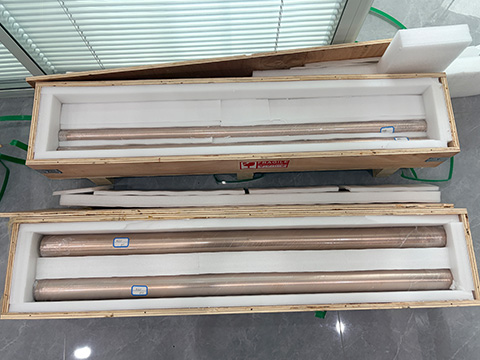
Tungsten copper alloy is available in different grades, each with a specific ratio of tungsten to copper. This ratio affects the material's density, thermal conductivity, electrical conductivity, and thermal expansion.
Common grades include W70Cu30, W75Cu25, W80Cu20, W85Cu15, and W90Cu10. The numbers represent the weight percentages of tungsten and copper.
Common Tungsten Copper Grades
The table below shows common grades and their typical characteristics.
|
Grade |
Tungsten Content |
Copper Content |
Typical Characteristics |
|
W70Cu30 |
70% |
30% |
Higher conductivity |
|
W75Cu25 |
75% |
25% |
Balanced conductivity and thermal stability |
|
W80Cu20 |
80% |
20% |
Balanced overall performance |
|
W85Cu15 |
85% |
15% |
Higher density and lower thermal expansion |
|
W90Cu10 |
90% |
10% |
Very high density and low thermal expansion |
These are general comparisons. Actual properties vary by manufacturer and production process.
How Tungsten Content Affects Performance
The tungsten-to-copper ratio is an important factor when choosing a grade.
· Higher tungsten content: Generally provides higher density, lower thermal expansion, and greater hardness.
· Higher copper content: Generally improves thermal and electrical conductivity.
For example, W70Cu30 may be suitable when conductivity is a priority, while W90Cu10 may be preferred when high density and low thermal expansion are more important.
How to Choose the Right Tungsten Copper Grade
The best grade depends on how the material will be used.
· For electrical contacts: Consider electrical conductivity, resistance to electrical erosion, and contact performance.
· For welding electrodes: Consider conductivity, heat resistance, and wear resistance.
· For heat sinks and electronic packaging: Focus on thermal conductivity and thermal expansion.
· For high-density components: Consider grades with higher tungsten content.
Before purchasing, confirm the required composition, dimensions, and performance specifications with your supplier. If you are unsure which grade to use, sharing your application and operating conditions can help the supplier recommend a suitable material.
Applications of Tungsten Copper Alloy
Tungsten copper alloy is widely used in electrical equipment, welding, electronics, and other industrial applications. Its combination of good electrical conductivity, heat resistance, and low thermal expansion makes it suitable for components that work under high heat or electrical stress.
Electrical Contacts and Switchgear
Tungsten copper alloy is used in electrical contacts, circuit breakers, and switchgear. These components must carry electrical current and withstand the heat and electrical erosion caused by switching operations.
The tungsten content helps improve resistance to wear and electrical erosion, while copper provides good electrical conductivity.
Resistance Welding Electrodes
Tungsten copper alloy is used in resistance welding electrodes, which join metal parts by applying pressure and passing an electric current through them.
The material conducts electricity and transfers heat efficiently. It also offers good wear resistance, helping electrodes maintain their performance during repeated welding cycles.
EDM Electrodes
Electrical discharge machining (EDM) uses electrical sparks to remove material from a workpiece. Tungsten copper alloy is used to make EDM electrodes for precision machining.
Its good electrical conductivity, wear resistance, and ability to maintain dimensional stability make it suitable for producing complex shapes and precision components.
Electronic Packaging and Heat Sinks
Electronic components can generate significant heat during operation. If this heat is not removed efficiently, it may affect performance and service life.
Tungsten copper alloy is used in electronic packaging and heat sinks because it transfers heat well and has a low thermal expansion. This helps reduce the risk of damage caused by differences in thermal expansion between connected materials.
Aerospace, Power Equipment, and Other Applications
Tungsten copper alloy is also used in specialized components for aerospace, power equipment, and other demanding industries.
Depending on the grade and design, it may be used in components that require high density, heat resistance, electrical conductivity, or dimensional stability.
For these applications, the material composition and specifications should be matched to the actual operating conditions. Different grades offer different performance levels, so choosing the right tungsten-to-copper ratio is important.
Tungsten Copper Alloy vs. Other Materials
Tungsten copper alloy is often compared with pure tungsten, molybdenum copper alloy, and copper alloys. Each material has different strengths, so the best choice depends on the application, operating conditions, and budget.
Tungsten Copper vs. Pure Tungsten
Pure tungsten has an extremely high melting point and maintains its strength at high temperatures. However, it does not offer the same level of electrical and thermal conductivity as copper-rich materials.
Tungsten copper alloy combines tungsten's high-temperature properties with copper's ability to conduct electricity and transfer heat.
Choose tungsten copper alloy for electrical contacts, welding electrodes, and EDM electrodes where conductivity and resistance to electrical erosion are important.
Choose pure tungsten when extremely high-temperature resistance is the main requirement and the application does not need the added conductivity of copper.
Tungsten Copper vs. Molybdenum Copper Alloy
Both materials combine a refractory metal with copper, but they differ in density, thermal performance, and typical uses.
Tungsten copper alloy has a higher density and is widely used in electrical contacts and welding electrodes.
Molybdenum copper alloy is lighter and is commonly used in electronic packaging and heat spreaders.
The right choice depends on the component's weight, thermal expansion, heat dissipation, and electrical requirements.
For example, tungsten copper may be suitable for electrical contacts exposed to repeated arcing, while molybdenum copper may be a better option for electronic components that need controlled thermal expansion and efficient heat transfer.
Tungsten Copper vs. Copper Alloy
Copper alloys offer good electrical and thermal conductivity and are often easier and less expensive to machine. They are suitable for many general electrical and heat-transfer applications.
Tungsten copper alloy is worth considering when a component must withstand electrical erosion, maintain low thermal expansion, or operate under demanding electrical and thermal conditions.
Choose a copper alloy when conductivity and cost are the main priorities.
Choose tungsten copper alloy when the application also requires high density, low thermal expansion, or better resistance to electrical erosion.
How to Choose the Right Material
Before purchasing, consider four key factors:
·
Operating temperature: How much heat will the component experience?
·
Electrical performance: Does it need to carry current or resist electrical erosion?
·
Thermal expansion: Must the component maintain stable dimensions as temperatures change?
·
Cost and weight: Are material cost, machining, or component weight important?
No single material is best for every application. Comparing these requirements with the specifications of each grade will help you make a better decision.
AEM Metal supplies both tungsten copper alloy and molybdenum copper alloy. Contact our team with your required dimensions, application, and technical specifications to discuss a suitable material for your project.
Conclusion
Tungsten copper alloy combines good electrical conductivity, heat resistance, and low thermal expansion. Different grades offer different properties, so choosing the right grade depends on your application.
Looking for a tungsten copper alloy supplier? Contact AEM Metal with your required grade, dimensions, quantity, and application. Our team will help you review your requirements and discuss suitable options.