Understanding Tungsten Radiation Shielding: Materials, Applications, and Benefits
views, Updated: May 22, 2026 by aemmetal
Introduction to Tungsten Radiation Shielding
Radiation protection is important in medicine, nuclear power, and industry, where X-rays, gamma rays, or neutrons can be harmful.
Tungsten heavy alloy (THA) is a high-density material widely used for shielding. It is mostly tungsten (over 90%) with small amounts of nickel, iron, or copper. THA is strong, durable, and safe for the environment, making it ideal for tough radiation protection needs.
Compared with lead, THA has clear advantages. It blocks more radiation with less material, is
non-toxic and lead-free, and stays strong even at high temperatures or after long exposure to radiation. These qualities make tungsten shielding suitable for many uses, including radiotherapy devices, CT or X-ray imaging, nuclear reactor parts, and industrial inspection tools.
What is Tungsten Heavy Alloy (THA)
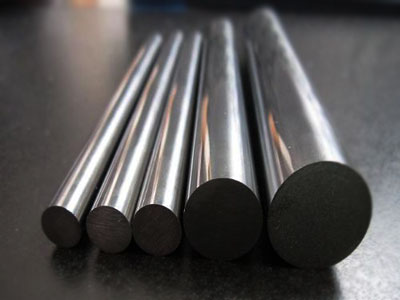
Tungsten heavy alloy (THA) is a type of high-density metal made mainly of tungsten, usually over 90%, mixed with small amounts of nickel, iron, or copper. This combination gives THA a unique set of properties that make it ideal for radiation shielding.
This tungsten alloy is extremely dense, which allows it to
block X-rays, gamma rays, and neutrons very effectively. Its hardness and strength mean it can be
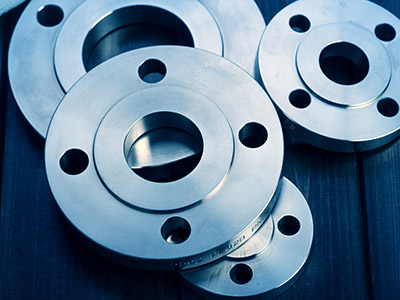
shaped into rings, blocks, or containers without losing durability. Unlike lead, THA is non-toxic and environmentally safe, making it suitable for hospitals, nuclear plants, and laboratories.
Because of these features, it is widely used in medical devices like
radiotherapy collimators, in nuclear facilities for
reactor shielding, and in industrial equipment for
X-ray or gamma-ray inspection. Its combination of high density, strength, and safety makes it the preferred material for modern radiation protection.
Why Tungsten Heavy Alloy is Preferred Over Lead
Tungsten heavy alloy is often chosen over lead for radiation shielding because it combines
better performance, safety, and durability.
1.
Stronger Radiation Blocking – With its extremely high density, this material can stop more X-rays and gamma rays using less thickness, making shields thinner and saving space.
2.
Non-Toxic and Eco-Friendly – Unlike lead, it contains no harmful metals. It is safe to handle, environmentally friendly, and suitable for hospitals, laboratories, and industrial sites.
3.
High Strength and Heat Resistance – The alloy can withstand high temperatures and long-term radiation exposure without cracking or deforming, making it reliable for demanding environments such as nuclear reactors or medical equipment.
4.
Customizable Shapes – It can be machined into rings, blocks, or complex containers, allowing precise fits for equipment or protective barriers.
5.
Long Service Life – Its resistance to corrosion, wear, and radiation damage means shields last much longer than lead, reducing replacement costs and maintenance.
Because of these advantages, tungsten-based heavy alloys are becoming the preferred choice for modern radiation protection, gradually replacing lead in medical, industrial, and nuclear applications.
Types of Tungsten Radiation Shielding Materials
Radiation shielding can be made from several types of tungsten-based materials, each designed for specific applications.
1.
Tungsten Heavy Alloy (THA) – This is the most common form for high-performance shielding. Its extremely high density allows it to block X-rays, gamma rays, and neutrons effectively.
2.
Tungsten-Polymer or Resin Materials – These materials mix tungsten powder with a polymer or rubber base. They are lighter and more flexible than pure metal, making them suitable for curved or complex shapes. While not as dense as THA, they provide good shielding in applications where weight and flexibility matter.
3.
Tungsten-Based Composites – Some shields combine tungsten with lead, barium, or polymers and are reinforced with fiberglass or resin. These composites can improve mechanical stability and maintain effective radiation protection, especially in larger panels or modular shielding components.
4.
Performance Comparison – Compared with lead, tungsten-heavy materials provide better shielding at thinner thicknesses and are non-toxic. Polymer-based materials are more adaptable in shape and weight, while composites offer a balance between shielding efficiency and mechanical strength.
By selecting the right type of tungsten-based material, engineers and designers can meet different protection, size, and weight requirements for medical devices, nuclear reactors, and industrial inspection systems.
Key Features and Advantages of Tungsten Shielding
Tungsten-based shielding materials are widely used because they combine
strong radiation protection, durability, and flexibility. Here are the main features:
1.
High Density and Efficient Shielding – Their high mass allows them to absorb X-rays, gamma rays, and neutrons effectively. This makes them ideal for space-limited designs where a thinner shield is needed.
2.
Strong Mechanical and Physical Properties – Tungsten alloys are hard, strong, and resistant to wear and corrosion. They can maintain their shape under high temperatures and long-term radiation exposure.
3.
Resistance to Radiation Damage – These materials retain their structure even under heavy neutron or gamma radiation, giving them a long service life compared to steel or lead.
4.
Customizable and Machinable – They can be cut, milled, or shaped into precise forms, including rings, blocks, or containers for different equipment. This allows engineers to design compact, efficient shielding components.
5.
Non-Magnetic Options – Some tungsten alloys are formulated to be non-magnetic, which is useful for sensitive equipment near magnetic fields.
6.
Environmentally Safe and Lead-Free – Unlike lead, these materials are non-toxic, recyclable, and safe to handle, meeting modern safety and environmental standards.
These advantages make tungsten-based shielding the preferred choice in medical devices, nuclear facilities, and industrial inspection systems, combining safety, performance, and reliability.
Future Trends in Tungsten Radiation Shielding
Tungsten shielding materials are improving to meet the growing need for
safer, lighter, and more flexible protection in medicine, nuclear, and industry.
1.
Better Tungsten Alloys
-
New alloy designs are being developed to block radiation more effectively, resist wear, and last longer.
-
Thinner shields can now provide the same or better protection, saving space.
2.
3D Printing and Additive Manufacturing
-
3D printing allows manufacturers to make complex shapes that are hard to create with traditional tools.
-
This helps customize shields quickly for different equipment.
3.
Surface Coatings and Sensors
-
Special coatings can make tungsten resist high temperatures and oxidation.
-
Some shields now include built-in sensors to monitor radiation or temperature in real time.
4.
More Uses in Different Industries
-
Hospitals, nuclear plants, research labs, and aerospace are using tungsten more widely.
-
Its high performance, durability, and safety make it a better choice than lead for modern radiation protection.
These trends show that tungsten shielding is
becoming smarter, safer, and more efficient, replacing lead in many applications while meeting future medical, industrial, and nuclear needs.
Conclusion
Tungsten shielding materials, especially
tungsten heavy alloys, provide strong, safe, and long-lasting protection against X-rays, gamma rays, and neutrons. They are more effective, thinner, and non-toxic than traditional lead, making them ideal for medical devices, nuclear facilities, and industrial inspection.
These materials are strong, resistant to corrosion, and durable, so they can work reliably in tough conditions. New technologies, like advanced alloys, 3D printing, and built-in sensors, are making tungsten shielding smarter, lighter, and easier to use.
If you need
high-quality tungsten materials for radiation protection,
AEM Metal offers custom shapes, pure alloys, and worldwide shipping.
Contact us today to get advice or a quote for your project.