Molybdenum Screws: Key Properties, Benefits, and Industrial Uses
views, Updated: May 20, 2026 by aemmetal
Introduction
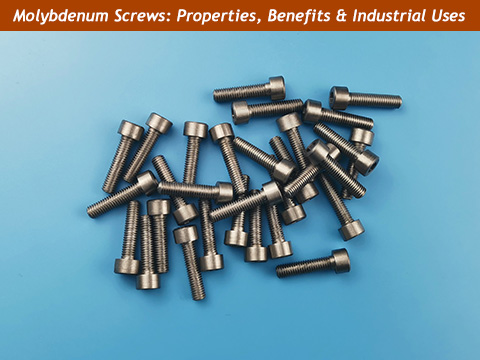
Molybdenum screws are high-quality industrial fasteners designed for demanding projects. They offer excellent strength, durability, and the ability to withstand high temperatures and resist corrosion. Compared to standard screws, molybdenum screws provide reliable performance even in the toughest conditions.
These screws are used in industries like aerospace, chemical processing, electronics, and precision manufacturing. Their consistent quality, long-lasting performance, and precise design make them an ideal choice for critical industrial applications.
What Are Molybdenum Screws?
Molybdenum screws are strong metal fasteners made from molybdenum, a heat-resistant and durable metal. They are designed to hold parts securely in tough industrial conditions. Compared to regular screws, molybdenum screws can handle very high temperatures and resist corrosion, making them reliable for critical industrial applications.
Definition and Material Properties
Molybdenum is a rare metal known for its
high strength, stability, and heat resistance. Screws made from molybdenum can withstand extreme loads without bending or breaking. They also resist corrosion from chemicals and oxidation at high temperatures, which makes them ideal for harsh industrial environments.
Key material properties of molybdenum screws include:
-
Melting point: ~2,623°C (4,753°F), allowing use in high-temperature applications.
-
Density: ~10.2 g/cm³, giving them substantial strength while remaining manageable in weight.
-
Thermal expansion: Low, so dimensions stay stable even under heat.
-
Electrical and thermal conductivity: Moderate, which can be useful in certain industrial applications.
These properties make molybdenum screws a preferred choice for applications where
strength, heat resistance, and reliability are critical. The screws can also be polished to improve surface finish, reduce friction, and ensure precise assembly in industrial machinery.
Difference Between Screws, Bolts, and Rods
It is important to understand how molybdenum screws differ from bolts and rods:
-
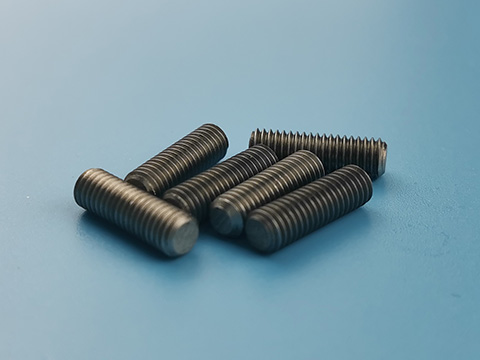
Molybdenum Screws: Have threads along most of their length, allowing them to fasten parts tightly. They are used for precise assembly and can hold materials without additional nuts in some applications.
-
Molybdenum Bolts: Usually have threads at one end and work with molybdenum nuts to fasten larger components. They are often used in structural assemblies and industrial equipment where high strength and easy maintenance are important.
-
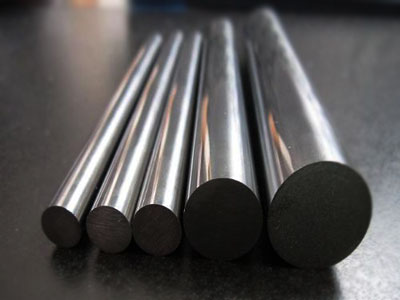
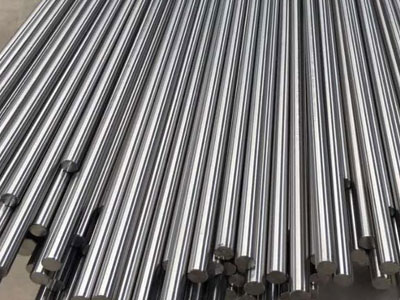
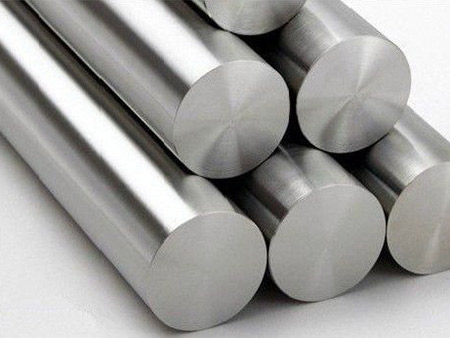
Molybdenum Threaded Rods: Typically unthreaded cylinders of molybdenum, used as raw material. They can be cut, machined, or processed into screws, bolts, or other custom fasteners.
Molybdenum screws combine the
precision of threaded fasteners with the
heat resistance and strength of the material, making them suitable for industrial applications where bolts or rods alone might fail. Screws are often chosen for
critical assemblies, while rods serve as semi-finished material and bolts for heavy structural connections.
Key Properties of Molybdenum Screws
Molybdenum screws are valued in industry because of their unique properties. These characteristics make them reliable for high-temperature, high-stress, and precision applications.
High Temperature Resistance
Molybdenum screws can withstand temperatures up to
2,600°C (4,700°F) without losing strength. This makes them ideal for equipment that operates under extreme heat, such as chemical processing machines, aerospace components, or electronics that generate heat. Unlike standard steel screws, which may weaken above 500°C, molybdenum screws maintain performance even in extreme thermal environments.
Corrosion and Oxidation Resistance
These screws resist corrosion from chemicals, moisture, and oxygen. Their resistance to oxidation becomes especially important above
400°C, where many metals begin to deteriorate. This ensures long-lasting durability in harsh industrial environments, reducing maintenance and downtime.
Mechanical Strength and Durability
Molybdenum screws have a tensile strength of approximately
550–750 MPa, making them capable of handling heavy loads without bending or breaking. Their high stiffness and stability under stress make them suitable for precision machinery and critical assemblies, ensuring consistent performance and reducing equipment failure risks.
Precision and Surface Finish
Molybdenum screws can be polished or machined to tight tolerances, often
within ±0.01 mm. This precision ensures smooth threads and accurate dimensions, which reduces friction, allows tight assembly, and improves reliability in high-precision industrial applications.
Benefits of Using Molybdenum Screws
Molybdenum screws offer several advantages that make them stand out compared to standard fasteners. These benefits make them a trusted choice for demanding industrial, aerospace, and medical applications.
Excellent Corrosion Resistance
Molybdenum screws resist corrosion much better than many other metals, including stainless steel. This allows them to maintain strength and reliability in harsh environments, ensuring a longer service life even under exposure to moisture, chemicals, or extreme temperatures.
High Wear Resistance
Thanks to their hardness, molybdenum screws experience less wear over time. This makes them ideal for equipment that operates continuously or under heavy mechanical stress, reducing the need for frequent replacements and maintenance.
Heavy-Duty Strength
These screws have very high tensile and compressive strength, which helps them stay stable under heavy loads. They maintain their shape and performance even in critical applications, such as aerospace components or heavy industrial machinery.
Exceptional Heat Resistance
Molybdenum screws can withstand temperatures up to
2,610°C (4,730°F). This makes them suitable for high-temperature areas in jet engines, rockets, and other aerospace applications. Their strength at extreme heat ensures that key connections remain secure, acting as a “hidden protector” in high-performance equipment.
Biocompatibility for Medical Use
In medical applications, molybdenum screws are valued for their biocompatibility. They are used in orthopedic and minimally invasive surgeries, where even a small screw (as small as 6.5 mm in diameter) can support hundreds of kilograms of load, helping patients recover mobility faster. They also show up clearly in X-rays, assisting surgeons during procedures.
Stability in Precision and High-Tech Industries
Molybdenum screws are essential in industries requiring extreme precision. Their very low thermal expansion and resistance to radiation make them perfect for semiconductor manufacturing, nuclear equipment, vacuum furnaces, and single-crystal growth furnaces. They help maintain the structure and accuracy of equipment even under temperature changes or radiation exposure.
Industrial Applications of Molybdenum Screws
Molybdenum screws are used in a wide range of industries because of their
strength, heat resistance, and reliability. They are critical in applications where other fasteners would fail.
Aerospace and Aviation
Molybdenum screws are widely used in aircraft and spacecraft. Their ability to withstand
extreme heat makes them ideal for jet engines and high-temperature areas of rockets. They keep components secure under heavy loads, helping ensure safety and performance in critical aerospace systems.
Chemical and Processing Industries
These screws are resistant to
corrosion and chemical damage, which makes them perfect for chemical plants, refineries, and other industrial facilities. They maintain strength in contact with harsh chemicals and high temperatures, reducing the risk of fastener failure and equipment downtime.
Electronics and Precision Instruments
Molybdenum screws are used in electronics and high-precision instruments. Their
low thermal expansion and precise dimensions help maintain stability in devices that require exact alignment. They are also durable under repeated stress, ensuring consistent performance over time.
Medical and Surgical Applications
In the medical field, molybdenum screws are valued for their
biocompatibility and strength. They are used in orthopedic surgeries and minimally invasive procedures, where even small screws can support significant loads. Their clear visibility under X-ray helps surgeons during implantation.
High-Temperature Industrial Equipment
Molybdenum screws are essential in vacuum furnaces, single-crystal growth furnaces, and other high-temperature industrial equipment. Their
stability under heat and
resistance to radiation ensure that the structure of the equipment remains intact, even in extreme conditions.
Procurement Guide: Key Specifications to Confirm Before Purchase
When buying molybdenum screws, it is important to check a few key details. Doing so ensures the screws work properly and last longer in your equipment.
Grade
Molybdenum screws come in different grades, such as
Mo1, Mo2. You can also get
TZM alloy or
Mo-La alloy screws for special needs. The grade shows the material’s strength, heat resistance, and stability. Choosing the right grade ensures the screws can handle the
load and conditions of your project.
Purity
High purity is very important. Most industrial molybdenum screws have
≥99.95% purity (Mo1). This ensures the screws are strong, resistant to corrosion, and reliable. High-purity screws are needed for applications like
aerospace, medical devices, and precision machinery.
Specifications
Check the screw's
diameter, length, thread type, and head style. Molybdenum screws are usually available in sizes from
M1.5 to M10. The right specifications make sure the screws
fit well, hold the load properly, and work safely in your equipment.
Quality Certification
Make sure the screws meet standards like
ASTM B386. Certification confirms that the screws have the correct
strength, chemical composition, and quality. This is important for
critical projects in aerospace, medical, or precision industries.
Ensure your projects use the right molybdenum screws for maximum reliability. Work with an experienced
molybdenum fasteners supplier to select the correct grade, purity, and specifications for your industrial needs.
Conclusion
Molybdenum screws are strong, heat-resistant, and corrosion-resistant fasteners. They are used in critical industries like aerospace, chemical processing, electronics, medical devices, and high-temperature equipment.
Knowing the key specifications—
grade, purity, size, and quality certification—helps you choose the right screws for your project. The correct choice ensures
reliable performance, durability, and safety even in tough industrial conditions.
At
AEM Metal, we provide high-quality molybdenum screws that meet
ASTM B386 standards and your specific project requirements.
Contact us today to source reliable, precise, and durable fasteners for your industrial applications.