Tungsten Sintering: Process, Density, and Quality Control
views, Updated: November 04, 2026 by aemmetal
What Is Tungsten Sintering?
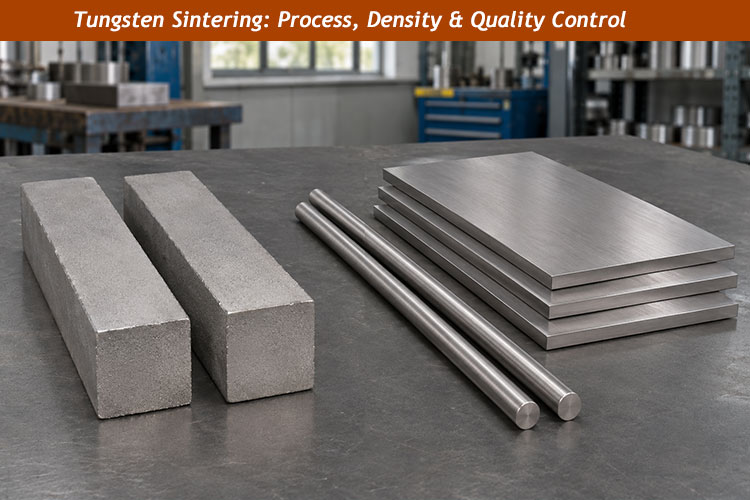
Tungsten sintering uses heat to bond pressed tungsten powder into a stronger, denser solid without melting it. It is a key step in powder metallurgy, a common method for manufacturing
tungsten products.
First, tungsten powder is pressed into a shape, such as a bar or plate blank. The compact is then heated so the particles bond more firmly. As the spaces between them shrink, the material becomes denser. Temperature, heating time, and furnace atmosphere must be controlled to limit contamination and excessive grain growth.
This process is useful because tungsten’s extremely high melting point makes conventional melting and casting difficult.
After sintering, the blank may still contain small pores. Some blanks can be machined directly into parts. Others need forging, rolling, or drawing to increase density and achieve the required shape and properties.
The Tungsten Sintering Process: Step by Step
The conventional production route starts with tungsten powder and produces a sintered blank for further processing. The exact steps depend on the powder, blank dimensions, and final product requirements.
Tungsten Powder Preparation
Tungsten powder is commonly produced by reducing tungsten oxide with hydrogen. Before pressing, the powder is checked for purity, particle size, and particle size distribution.
These characteristics affect how the powder packs and how it behaves during heating. Fine powder can support densification, but it also requires careful handling to limit contamination and particle clumping.
Powder Compaction
The powder is pressed into a shape, such as a bar or plate blank. Common techniques include:
·
Die pressing: A rigid die forms the powder into the required shape.
·
Cold isostatic pressing: Fluid pressure compresses powder held in a flexible mold from all directions.
The pressed material is called a
green compact. It must have enough strength for handling and a reasonably uniform density. Uneven packing can cause uneven shrinkage or cracking during sintering.
Binder Removal, Where Required
Some pressing processes use binders or lubricants to assist forming. When present, these additives must be removed through a suitable treatment before high-temperature sintering.
Controlled removal helps prevent cracks, trapped gases, and unwanted residues. This step is unnecessary when the compact contains no such additives.
Pre-Sintering
Pre-sintering heats the compact to begin bonding the particles and increase its strength.
In conventional tungsten bar production, this prepares the fragile compact for handling and the next heating stage. A hydrogen atmosphere is commonly used to help reduce surface oxides and protect the material against oxidation.
High-Temperature Sintering
Further heating strengthens the bonds between particles and reduces porosity. The blank shrinks as its density increases.
Two established heating approaches are:
·
Direct resistance sintering: Electric current passes through the compact, generating heat within it. This is the process commonly called 垂熔烧结 in Chinese tungsten manufacturing.
·
Indirect furnace sintering: The furnace supplies heat to the compact without passing current directly through it.
Temperature and holding time must suit the powder and blank. Insufficient heating can leave excessive porosity, while excessive heating can promote grain growth.
Controlled Cooling and Inspection
The blank cools under a suitable protective environment to limit oxidation.
It is then inspected for density, dimensions, cracks, and distortion. Based on the results and intended application, it may proceed to machining or further working, such as forging or rolling.
What Determines the Density of Sintered Tungsten?
The density achieved during sintering depends on both the starting powder and the processing conditions.
A higher sintering temperature alone does not guarantee a denser or better product.
Powder Characteristics and Compact Density
Particle size, particle shape, and powder distribution affect how closely the particles pack. Fine powder can sinter more readily, but particle clumping can create uneven packing and leave pores.
The density of the pressed compact also matters. A uniform compact supports more consistent shrinkage. Areas with different starting densities may shrink unevenly and develop defects.
Sintering Temperature and Holding Time
The heating cycle must allow enough time for particles to bond and pores to shrink.
Increasing temperature or extending the holding time can improve densification. However, it can also cause grains to grow. If grain boundaries move away from pores, the remaining pores can become harder to remove. The aim is to increase density while controlling grain growth.
Furnace Atmosphere and Cleanliness
Surface oxides and other contaminants can interfere with particle bonding and affect the final material.
Hydrogen is commonly used in conventional tungsten sintering to help reduce surface oxides. Its moisture content, furnace cleanliness, and the removal of reaction products all require control.
Residual Porosity and Relative Density
Relative density compares the measured density with the theoretical density of fully dense material. For pure tungsten, the reference value is approximately
19.25 g/cm³ at room temperature.
For example, a pure tungsten blank measuring
18.5 g/cm³ has a relative density of about
96.1%. The remaining difference mainly reflects residual porosity.
Chemical purity measures something different. A specification of
99.95% tungsten describes composition, so buyers should confirm density separately. The required density should reflect the application and whether further working is planned.
How Is Tungsten Sintering Quality Controlled?
Quality control checks whether the sintered blank meets the agreed requirements for composition, density, structure, and dimensions. These checks help determine whether it is suitable for machining or further working.
Chemical Composition
Chemical analysis verifies tungsten purity and the levels of relevant impurities. Oxygen and carbon deserve attention because they can affect grain boundaries, ductility, and subsequent processing.
A purity value alone may not provide enough information. For demanding applications, buyers should specify individual impurity limits and request the corresponding test results.
Density and Microstructure
Density measurement shows how effectively the material has densified. The measurement method should suit the sample’s condition, particularly when open pores are present.
Metallographic examination provides additional information about:
·
Residual pores: Their size, distribution, and concentration.
·
Grain structure: Grain size and uniformity.
·
Internal defects: Cracks or areas with uneven densification.
For large blanks, the inspection plan should consider differences between the surface and center. A single density result may not reveal local variations.
Dimensions and Visible Defects
Dimensional inspection checks the blank’s size, straightness, flatness, and distortion, as applicable. Surface inspection looks for cracks and other visible defects that could affect further processing.
Sintered dimensions and finished dimensions should be specified separately. A blank intended for rolling or machining needs suitable processing allowance. Final tolerances and surface finish are checked after the relevant finishing operations.
Inspection reports should identify the production batch and delivery condition so buyers can connect the results to the material supplied.
As-Sintered Tungsten vs. Wrought Tungsten
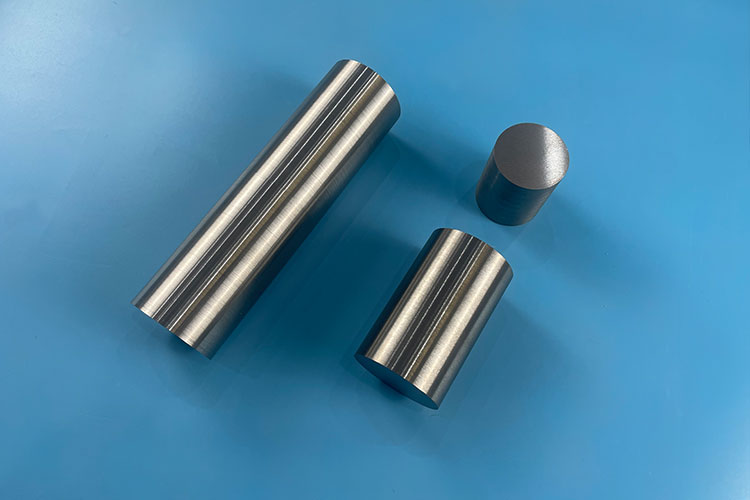
As-sintered tungsten is material that has completed sintering without subsequent mechanical working. It may be supplied as a blank or machined into a finished component.
Wrought tungsten has undergone further deformation after sintering, such as forging, swaging, rolling, or drawing. These operations change its shape, can reduce residual porosity, and develop a different grain structure.
|
Characteristic |
As-Sintered Tungsten |
Wrought Tungsten |
|
Processing |
Compacted and sintered |
Mechanically worked after sintering |
|
Porosity |
May retain pores from sintering |
Working can further reduce porosity |
|
Grain structure |
Often relatively equiaxed |
Often elongated along the working direction |
|
Properties |
Depend on powder and sintering conditions |
Also depend on deformation and heat treatment |
Different working processes suit different product forms.
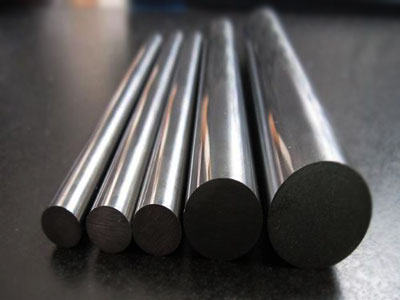
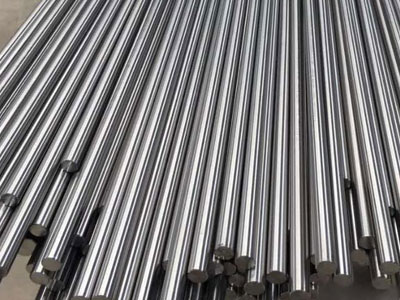
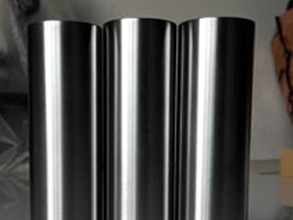
Forging and swaging are commonly used for rods,
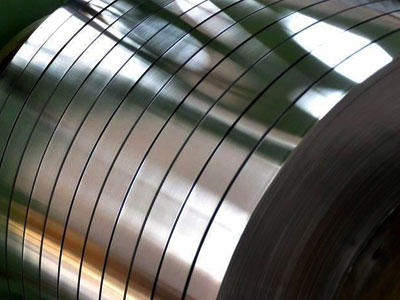
rolling produces plates and sheets, and
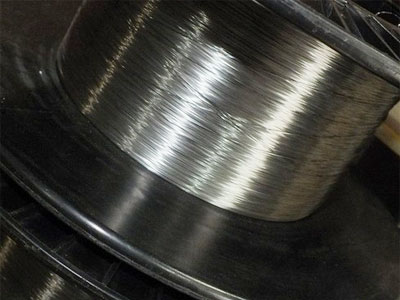
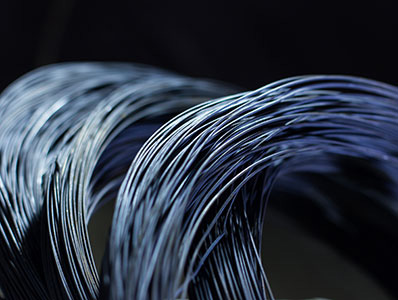
drawing reduces rod or wire diameter.
Mechanical working can improve strength and ductility, but the result depends on the processing schedule and material condition. Subsequent annealing can also change the grain structure and properties. The product name alone, such as “
tungsten rod,” does not fully describe its condition.
Machining serves a separate purpose. It provides the required dimensions and surface finish but does not make a sintered blank wrought. When comparing quotations, confirm whether the material is supplied as-sintered, mechanically worked, or worked and annealed.
What Should Buyers Specify When Purchasing Tungsten?
A clear inquiry helps the supplier recommend a suitable processing route and prepare an accurate quotation. Along with dimensions and quantity, include the material condition and performance requirements.
|
Requirement |
What to Include |
|
Material grade and purity |
Required tungsten grade, minimum purity, and any individual impurity limits. Identify pure tungsten separately from tungsten alloys. |
|
Density |
Minimum acceptable density in g/cm³ or relative density. State whether it applies to the sintered blank or finished product. |
|
Delivery condition |
As-sintered, mechanically worked, annealed, or another specified condition. Include any applicable material standard. |
|
Dimensions and finish |
Product form, drawing, tolerances, surface finish, and machining allowance where required. |
|
Application and environment |
Intended use, operating temperature, atmosphere, and relevant mechanical or thermal demands. |
|
Inspection and documentation |
Required test results, sampling requirements, material certificates, and batch traceability. |
Specify the properties you need in the material as delivered. For example, a blank intended for further rolling has different requirements from a finished component ready for installation. This distinction helps prevent quotations based on different processing conditions.
At AEM Metal, you can send us your drawing, quantity, application, and required specifications for review. If the density or delivery condition has not been decided, include the operating conditions and any processing you plan to carry out after purchase.
Conclusion
Tungsten sintering lays the foundation for the finished product. The quality of the sintered blank affects how reliably it can be rolled, drawn, machined, or used directly. Problems introduced at this stage can carry through to later operations.
For buyers, the practical goal is to define the material condition needed at delivery. A blank intended for further working and a finished component ready for service require different specifications. Connecting those requirements to the production route makes quotations easier to compare and inspection results more useful.
At AEM Metal, we focus on connecting material specifications with your application. Send us your drawing and operating requirements to discuss suitable tungsten material options for your project.