ASTM B365 Standard Specification for Tantalum Rod and Wire Explained
views, Updated: June 30, 2026 by aemmetal
What Is ASTM B365?
ASTM B365 is a standardized specification that defines the requirements for
tantalum and tantalum alloy rod and wire. It is used globally as a technical reference to ensure that these materials meet consistent expectations in terms of composition, properties, dimensions, and overall quality.
In practical terms, ASTM B365 helps establish a uniform quality baseline for
tantalum products. When a material complies with this standard, it means it has been produced and evaluated under controlled criteria, making it suitable for demanding industrial and technical applications.
Definition and Scope of the Standard
ASTM B365 specifically covers:
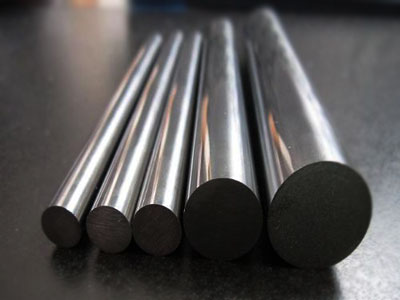
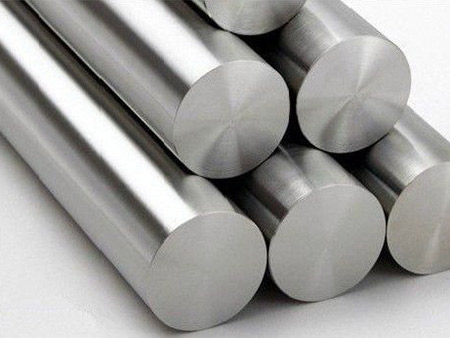
· Tantalum rods are used for machining, structural parts, and high-temperature environments
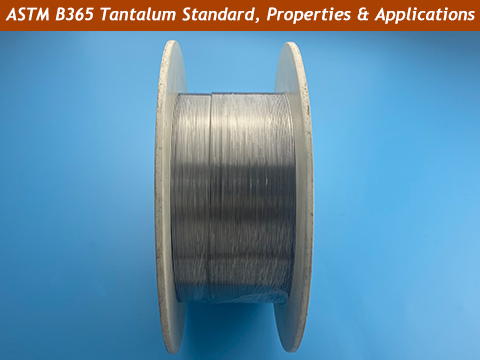
· Tantalum wires are used in precision systems, electronics, and specialized engineering applications
· Commercially pure tantalum and selected tantalum alloys
The standard defines key requirements such as:
· Chemical composition and impurity limits
· Mechanical performance (strength and ductility)
· Dimensional tolerances for rods and wire
· General quality and surface condition requirements
Because tantalum is widely used in environments involving heat, corrosion, and high precision, these controls are essential to ensure consistent performance across different applications and suppliers.
Why ASTM B365 Is Important
ASTM B365 plays an important role in simplifying material selection and reducing uncertainty in engineering and procurement.
It provides:
· A clear specification framework for global sourcing
· Consistent quality expectations between manufacturers
· Improved reliability in critical applications
· Easier comparison between different suppliers and products
In short, ASTM B365 ensures that tantalum rod and wire are not only defined by their material properties, but also by how reliably they perform in real-world applications.
Key Technical Specifications of ASTM B365 Tantalum
ASTM B365 defines detailed requirements for tantalum rod and wire to ensure
consistent performance, purity control, and predictable mechanical behavior across different production batches and suppliers. These specifications are especially important because tantalum is often used in environments where both chemical stability and mechanical reliability are critical.
Chemical Composition Requirements
ASTM B365 places strict control on interstitial and impurity elements, since even small variations can significantly influence ductility, corrosion resistance, and high-temperature stability.
Typical limits include:
·
Carbon (C): ≤ 0.0015% (finished product level for all grades)
·
Oxygen (O): typically ≤ 0.025%–0.035%, depending on processing route and grade
·
Nitrogen (N): ≤ 0.010%
·
Hydrogen (H): ≤ 0.020%
In addition to these primary interstitial elements, trace metallic impurities such as iron, nickel, chromium, and tungsten residues are also controlled within tight thresholds.
These low impurity levels are essential because:
· Oxygen and nitrogen directly reduce ductility and workability
· Carbon affects grain structure stability during processing
· Hydrogen can introduce embrittlement in fine wire applications
For high-performance applications, tighter internal control than the minimum ASTM limits is often applied by manufacturers to ensure consistent forming behavior during wire drawing and machining.
Mechanical Property Requirements
ASTM B365 defines mechanical performance based on both
material grade and product diameter, recognizing that tantalum’s work-hardening behavior changes with size and processing condition.
Unalloyed Tantalum (R05400)
For high-purity tantalum grades used in general industrial applications:
· Ultimate tensile strength typically ranges from
~30,000 psi (207 MPa) to 35,000 psi (241 MPa)
· Strength values vary depending on final annealing condition and diameter
· High elongation is maintained to support deep drawing and fine wire production
This balance of moderate strength and excellent ductility makes R05400 suitable for:
· Wire drawing into fine diameters
· Machined corrosion-resistant components
· Vacuum and chemical processing parts
Tantalum-Tungsten Alloy (R05255)
For higher strength applications, tantalum is alloyed with tungsten:
· Minimum ultimate tensile strength is typically
~70,000 psi (482 MPa)
· Strength remains stable across a broad range of diameters
· Improved resistance to deformation at elevated temperatures
Compared with pure tantalum, Ta-W alloys provide:
· Higher load-bearing capability
· Better creep resistance in high-temperature environments
· Improved structural stability under mechanical stress
Product Forms and Dimensional Requirements
ASTM B365 defines the requirements for
tantalum rod and wire, while real-world production also focuses on flexibility, precision, and customer-specific dimensions. In practical supply, tantalum products are often customized to match machining, fabrication, or end-use requirements rather than fixed standard sizes.
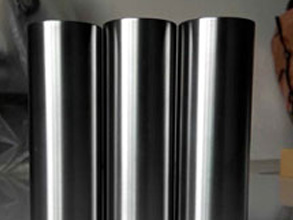
Tantalum Rod (Bar) Specifications
Our
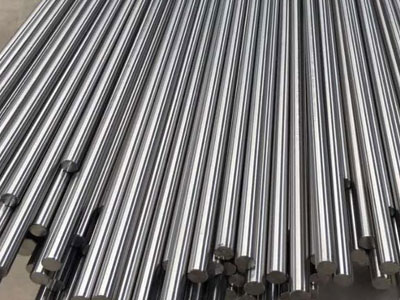
tantalum bar products are engineered to support a wide range of industrial applications and can be supplied in flexible length options to meet different processing needs.
Available configurations include:
· Random-length bars for general machining use
· Cut-to-length rods based on customer specifications
· Precision straight bars for high-accuracy applications
Dimensional range:
· Diameter:
0.125 inches to 8.00 inches (approx. 4 mm to 120 mm)
Material grades:
· R05200 (unalloyed tantalum, high purity)
· R05400 (electron beam melted tantalum)
· R05252 (Ta-2.5W)
· R05255 (Ta-10W)
Purity levels:
· Ta ≥ 99.95%
· Ta ≥ 99.99%
These rods are designed for machining into corrosion-resistant components used in chemical processing, aerospace systems, and high-temperature environments where stability and reliability are critical.
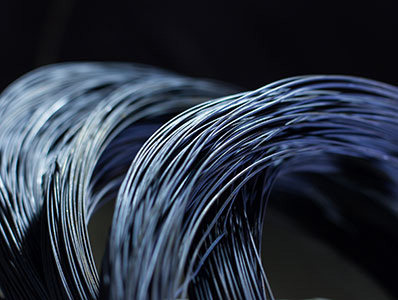
Tantalum Wire Specifications
Our
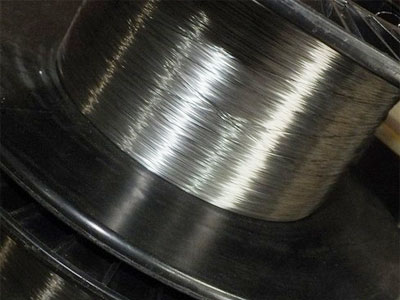
tantalum wire products are manufactured with a strong emphasis on
precision, consistency, and application flexibility, supporting both industrial and medical-grade requirements.
We offer customizable options including:
· Specific wire diameters
· Tailored lengths
· Controlled purity grades for different application needs
Diameter range:
· Premium precision wire:
0.1 mm to 4.0 mm
Material grades:
· R05200 (pure tantalum)
· R05400 (electron beam melted tantalum)
· R05252 (Ta-2.5W)
· R05255 (Ta-10W)
· R05240 (Ta-40Nb)
Standards supported:
· ASTM B365-98 (industrial rod and wire specification)
· ASTM F560 (medical-grade tantalum applications)
Purity levels:
· Ta ≥ 99.9%
· Ta ≥ 99.95%
Tantalum wire is widely used in precision applications where fine diameter control and stable performance are essential, including electronics, medical devices, and specialized engineering systems.
Key Applications of ASTM B365 Tantalum
ASTM B365 tantalum rod and wire are widely used in high-performance and precision engineering systems, especially in environments involving vacuum, heat, electrical resistance, and chemical stability. In real industrial demand, the material is often designed into functional components such as heating elements, filaments, and deposition system parts.
Vacuum Systems and Heating Elements
Tantalum wire is frequently used in vacuum environments and high-temperature heating systems, where oxidation resistance and thermal stability are essential.
Typical applications include:
· Heating elements in vacuum chambers
· Resistance heating wires for controlled thermal processes
· Components in ultra-high vacuum (UHV) systems
Example from customer inquiry:
· 0.65 mm tantalum wire (99.95% purity) used as a
heating element in a vacuum system, requiring stable performance under continuous thermal load without contamination.
PVD and Thin Film Deposition Systems
In physical vapor deposition (PVD) equipment, tantalum wire is commonly used as filament and evaporation-related components, where stable electron emission and heat resistance are required.
Typical applications include:
· Filaments in PVD coating machines
· Heating elements for thin film evaporation
· Support wires in coating chambers
Example from customer inquiry:
· 2 mm tantalum wire used as
filament material in a PVD coating system, supplied in pre-cut segments for replacement and operational stability under repeated heating cycles.
Precision Filaments and Micro-Scale Applications
At very fine diameters, ASTM B365 tantalum wire is used in micro-scale heating and emission systems, where dimensional accuracy is critical.
Typical applications include:
· Micro-heating filaments
· Electron emission components
· Laboratory and research instruments
Example from customer inquiry:
· 0.01 mm ultra-fine tantalum wire used as a
precision filament, requiring extremely stable material integrity and uniform diameter control.
Medical and Biomedical Applications
Tantalum wire is also used in medical-related engineering systems, where biocompatibility and corrosion resistance are important.
Typical applications include:
· Medical device components
· Diagnostic or surgical equipment elements
· Custom biomedical research applications
Example from customer inquiry:
· 1 mm tantalum wire (99.9% purity) requested for
medical application use, where non-reactive material behavior and long-term stability are required.
Jewelry and High-End Craft Applications
Due to its corrosion resistance and stable appearance, tantalum wire is also used in high-end design and decorative applications.
Example from customer inquiry:
· 2.2 mm annealed tantalum wire used in
jewelry manufacturing, selected for its durability and dark metallic finish.
Conclusion
ASTM B365 is a practical reference point that defines
what reliable tantalum rod and wire should look like in real use. It brings consistency to a material that is often applied in demanding environments where performance cannot be left to chance.
For engineers and buyers, the value of this standard is simplicity: it helps ensure that different suppliers are aligned on the same expectations for quality, dimensions, and performance behavior. This reduces uncertainty during material selection and supports more confident decision-making in critical projects.
In short, ASTM B365 is not just a specification on paper—it is a way to ensure that tantalum rod and wire can be used with confidence in applications where stability and reliability are essential.
If you need high-purity ASTM B365 tantalum rod or wire with a stable supply and customized specifications, feel free to
contact our team for technical support and quotation.