ASTM B521 Tantalum Tube: Specifications, Properties, and Applications
views, Updated: August 05, 2026 by aemmetal
What Is ASTM B521?
ASTM B521 is a material standard developed by
ASTM International for
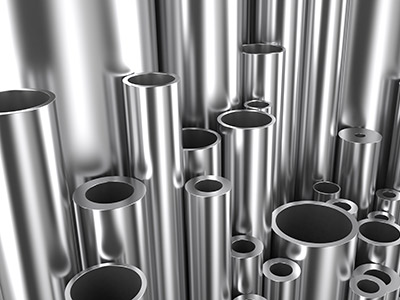
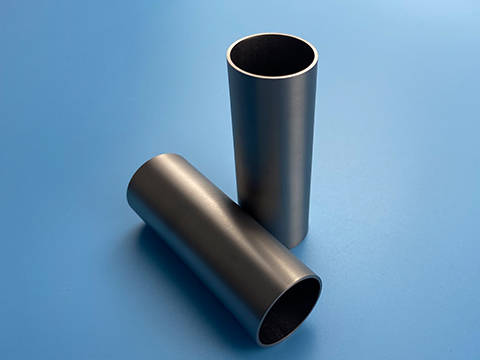
seamless tantalum and tantalum alloy tubes. It specifies the requirements that manufacturers must follow to produce high-quality tantalum tubes for industrial use.
The standard covers important requirements, including:
· Chemical composition
· Mechanical properties
· Tube dimensions and tolerances
· Manufacturing quality
· Testing and inspection requirements
ASTM B521 mainly applies to
seamless tubes, which are made without welding joints. Compared with welded tubes, seamless tantalum tubes generally provide better reliability in applications involving high pressure, high temperatures, or highly corrosive chemicals.
Tantalum is a
rare refractory metal with excellent corrosion resistance. It remains stable in many aggressive chemical environments, such as hydrochloric acid, sulfuric acid, and nitric acid. This makes ASTM B521 tantalum tubes suitable for applications where other metals may not provide sufficient protection.
Common uses of ASTM B521 tantalum tubes include:
· Corrosion-resistant heat exchangers
· Chemical reaction equipment
· High-purity semiconductor systems
· Special laboratory equipment
For industrial buyers, choosing
ASTM B521 compliant tantalum tubes helps ensure consistent material quality, reliable performance, and compatibility with demanding operating conditions. However, the final tube performance also depends on factors such as material grade, tube size, manufacturing process, and quality control standards.
ASTM B521 Tantalum Tube Material Grades
ASTM B521 covers several grades of
unalloyed tantalum and tantalum alloy tubes. Different grades are produced using different melting or consolidation methods, which affect their purity, mechanical properties, and application performance.
The
main tantalum grades include
UNS R05400, UNS R05200, UNS R05252, UNS R05255, and UNS R05240.
UNS R05400 — Unalloyed Tantalum (Powder Metallurgy)
UNS R05400 is commercially pure tantalum produced through
powder metallurgy consolidation.
Key characteristics:
· High corrosion resistance
· Good ductility and formability
· Suitable for applications requiring excellent chemical stability
This grade is commonly used in chemical processing equipment and corrosion-resistant components.
UNS R05200 — Unalloyed Tantalum (Vacuum Melted)
UNS R05200 is unalloyed tantalum produced by
vacuum melting.
Compared with powder metallurgy tantalum, this grade offers excellent material uniformity and high purity.
Typical advantages:
· Excellent corrosion resistance
· Stable chemical performance
· Reliable quality for demanding applications
It is widely used in industries such as chemical processing, semiconductor manufacturing, and laboratory equipment.
UNS R05252 — Tantalum-Tungsten Alloy (Ta-2.5%W)
UNS R05252 is a tantalum-tungsten alloy containing approximately
2.5% tungsten.
The addition of tungsten improves the mechanical strength of tantalum while maintaining good corrosion resistance.
Main benefits:
· Higher strength than pure tantalum
· Better resistance to deformation
· Suitable for more demanding operating conditions
This alloy is often selected for applications where both corrosion resistance and mechanical performance are required.
UNS R05255 — Tantalum-Tungsten Alloy (Ta-10%W)
UNS R05255 contains approximately
10% tungsten and provides higher strength than lower tungsten tantalum alloys.
Key features:
· Improved mechanical strength
· Better high-temperature performance
· Excellent corrosion resistance
This grade is suitable for harsh environments where pure tantalum may not provide enough mechanical strength.
UNS R05240 — Tantalum-Niobium Alloy (Ta-40%Nb)
UNS R05240 is a tantalum-niobium alloy containing approximately
60% tantalum and 40% niobium.
It is produced by:
· Electron beam melting
· Vacuum arc melting
· Or a combination of both processes
This alloy provides:
· Good corrosion resistance
· Improved mechanical properties compared with pure tantalum
· Reliable performance in specialized applications
How to Choose the Right ASTM B521 Grade?
The selection of an ASTM B521 tantalum tube grade depends on the specific application requirements:
·
For maximum corrosion resistance: Unalloyed tantalum grades such as UNS R05400 and UNS R05200 are commonly selected.
·
For higher mechanical strength: Tantalum-tungsten alloys such as UNS R05252 and UNS R05255 are preferred.
·
For specialized alloy requirements: UNS R05240 tantalum-niobium alloy can provide a balance of corrosion resistance and mechanical performance.
Selecting the correct grade ensures that the tantalum tube can provide stable performance under challenging industrial conditions.
Chemical Composition Requirements of ASTM B521 Tantalum Tubes
ASTM B521 defines strict chemical composition requirements for
tantalum and tantalum alloy seamless tubes. The composition requirements ensure that the tubes maintain excellent corrosion resistance, mechanical performance, and reliability in demanding industrial applications.
The standard covers unalloyed tantalum, tantalum-niobium alloys, and tantalum-tungsten alloys. The main composition requirements are shown below:
|
Grade |
Ta (%) |
Nb (%) |
Fe (Max %) |
Si (Max %) |
Ni (Max %) |
W (%) |
Mo (Max %) |
Ti (Max %) |
O (Max %) |
C (Max %) |
H (Max %) |
N (Max %) |
|
R05200 |
Balance |
— |
0.005 |
0.005 |
0.002 |
0.01 |
0.01 |
0.002 |
0.015 |
0.01 |
0.0015 |
0.01 |
|
R05400 |
Balance |
— |
0.03 |
0.02 |
0.005 |
0.04 |
0.03 |
0.005 |
0.02 |
0.01 |
0.0015 |
0.01 |
|
R05240 |
Balance |
17–23 |
0.03 |
0.03 |
0.005 |
0.04 |
0.03 |
0.005 |
0.02 |
0.01 |
0.0015 |
0.01 |
|
R05252 |
Balance |
— |
0.005 |
0.005 |
0.002 |
3.0 |
0.01 |
0.002 |
0.015 |
0.01 |
0.0015 |
0.01 |
|
R05255 |
Balance |
— |
0.005 |
0.005 |
0.002 |
11 |
0.01 |
0.002 |
0.015 |
0.01 |
0.0015 |
0.01 |
Note: Balance means the remaining percentage is tantalum (Ta).
The table shows that pure tantalum grades mainly consist of tantalum with tightly controlled impurity levels. Alloy grades contain additional elements such as
niobium (Nb) or
tungsten (W) to improve mechanical strength while maintaining tantalum’s excellent corrosion resistance.
Among these elements,
oxygen, carbon, hydrogen, and nitrogen are carefully controlled because excessive amounts may reduce ductility and affect forming performance. Strict composition control helps ASTM B521 tantalum tubes achieve consistent quality and long-term reliability in chemical processing, semiconductor, and other high-performance applications.
ASTM B521 Tantalum Tube Specifications and Dimensions
ASTM B521 specifies the dimensional requirements for
seamless tantalum and tantalum alloy tubes, including outside diameter and wall thickness tolerances. These requirements ensure consistent dimensions and reliable performance during fabrication and installation.
Outside Diameter and Wall Thickness Tolerances
ASTM B521 defines different tolerance limits according to the tube outside diameter range. The requirements are shown below:
|
Outside Diameter (in / mm) |
Outside Diameter Tolerance ± (in / mm) |
Wall Thickness Tolerance ± (%) |
|
Less than 1 in (25.4 mm) |
0.004 in (0.102 mm) |
10% |
|
1–1.5 in (25.4–38.1 mm) |
0.005 in (0.127 mm) |
10% |
|
1.5–2 in (38.1–50.8 mm) |
0.006 in (0.152 mm) |
10% |
|
2–2.5 in (50.8–63.5 mm) |
0.007 in (0.178 mm) |
10% |
|
2.5–3.5 in (63.5–88.9 mm) |
0.010 in (0.254 mm) |
10% |
These dimensional controls help ensure that ASTM B521 tantalum tubes meet the requirements of precision industrial applications.
Custom ASTM B521 Tantalum Tubes
Although ASTM B521 provides standard dimensional requirements, many projects require customized tube sizes. Manufacturers can produce tantalum tubes with specific:
· Outside diameters
· Wall thicknesses
· Lengths
· Material grades
· Surface conditions
When ordering ASTM B521 tantalum tubes, customers should provide detailed requirements, including operating conditions and dimensional specifications, to ensure the final product meets the application needs.
Mechanical Properties of ASTM B521 Tantalum Tubes
The mechanical properties of
ASTM B521 tantalum tubes determine their strength, durability, and ability to withstand mechanical stress during operation. ASTM B521 specifies minimum requirements for
tensile strength, yield strength, and elongation to ensure reliable performance.
The required mechanical properties depend on the tantalum grade and alloy composition. The values below are measured in the
annealed condition.
|
UNS Grade |
Minimum Tensile Strength |
Minimum Yield Strength |
Minimum Elongation |
|
R05200 / R05400 |
30,000 psi (207 MPa) |
20,000 psi (138 MPa) |
25% |
|
R05252 |
40,000 psi (276 MPa) |
28,000 psi (193 MPa) |
20% |
|
R05255 |
70,000 psi (481 MPa) |
60,000 psi (414 MPa) |
15% |
|
R05240 |
40,000 psi (276 MPa) |
28,000 psi (193 MPa) |
20% |
Tensile Strength
Tensile strength represents the maximum stress that a tantalum tube can withstand before failure.
According to ASTM B521:
· Unalloyed tantalum grades (R05200/R05400) require a minimum tensile strength of
30,000 psi (207 MPa).
· Tantalum-tungsten alloy grades provide higher strength, with R05255 reaching
70,000 psi (481 MPa).
The higher strength of tantalum alloy tubes makes them suitable for applications requiring improved mechanical stability.
Yield Strength
Yield strength indicates the stress level at which permanent deformation begins.
ASTM B521 requires:
·
20,000 psi (138 MPa) minimum yield strength for unalloyed tantalum grades.
· Up to
60,000 psi (414 MPa) for R05255 tantalum-tungsten alloy.
Higher yield strength helps tantalum tubes maintain their shape under pressure, mechanical loading, and elevated-temperature conditions.
Elongation
Elongation measures the ability of a material to stretch before breaking. It reflects the ductility and forming capability of tantalum tubes.
ASTM B521 specifies minimum elongation values from
15% to 25%, depending on the grade.
· Unalloyed tantalum grades provide the highest ductility with
25% minimum elongation.
· Alloy grades provide increased strength while maintaining acceptable formability.
Good elongation allows tantalum tubes to be processed through forming, bending, and fabrication operations without cracking.
The combination of strength, ductility, and corrosion resistance makes ASTM B521 tantalum tubes suitable for demanding applications such as chemical processing equipment, heat exchangers, semiconductor systems, and other high-performance industrial applications.
Applications of ASTM B521 Tantalum Tubes
ASTM B521 tantalum tubes are mainly used in industries that require
excellent corrosion resistance, high chemical stability, and reliable long-term performance. Compared with many traditional metals, tantalum can withstand highly corrosive environments, making it a valuable material for critical equipment.
The main applications include chemical processing, semiconductor manufacturing, heat exchangers, and other specialized industrial systems.
Chemical Processing Equipment
The chemical industry is one of the largest application areas for ASTM B521 tantalum tubes.
Many strong acids and corrosive chemicals can damage common materials such as stainless steel and nickel alloys. Tantalum provides outstanding resistance to these environments, helping equipment maintain stable performance for longer periods.
Typical applications include:
· Heat exchanger tubes
· Reaction equipment
· Condenser systems
· Corrosion-resistant piping components
ASTM B521 tantalum tubes are especially suitable for processes involving chemicals such as:
· Hydrochloric acid
· Sulfuric acid
· Nitric acid
· Chlorine-containing chemicals
Semiconductor Manufacturing
The semiconductor industry requires materials with high purity and excellent chemical resistance. ASTM B521 tantalum tubes are used in systems where contamination control and material reliability are critical.
Common applications include:
· High-purity chemical delivery systems
· Semiconductor wet processing equipment
· Corrosive chemical handling components
The excellent corrosion resistance of tantalum helps prevent equipment degradation and reduces the risk of contamination during semiconductor manufacturing processes.
Heat Exchangers
ASTM B521 tantalum tubes are widely used in heat exchanger systems operating in aggressive chemical environments.
Compared with conventional tube materials, tantalum offers:
· Superior corrosion resistance
· Excellent temperature stability
· Long service life
These advantages make tantalum tubes suitable for heat exchangers used in chemical plants and other industries where equipment reliability is essential.
Pharmaceutical and Laboratory Equipment
Tantalum’s chemical stability and high purity make it suitable for specialized pharmaceutical and laboratory applications.
Applications include:
· Laboratory reaction equipment
· High-purity processing systems
· Corrosion-resistant components
In these applications, tantalum helps maintain product purity and reduces the risk of chemical contamination.
Specialized Industrial Applications
Beyond the chemical and semiconductor industries, ASTM B521 tantalum tubes are also used in other demanding environments where material performance is critical.
Examples include:
· Aerospace components
· Research equipment
· High-temperature chemical systems
Although tantalum is a premium material, its excellent corrosion resistance and long service life often make it a cost-effective solution for applications where equipment failure would result in high maintenance costs or production losses.
How to Choose an ASTM B521 Tantalum Tube Supplier
Choosing the right supplier is important because
ASTM B521 tantalum tubes are used in demanding applications where material quality and reliability are critical.
Before purchasing, buyers should consider the following factors:
Confirm ASTM B521 Compliance
A reliable supplier should provide documentation to confirm that the tantalum tubes meet ASTM B521 requirements, including:
· Material test reports (MTR)
· Chemical composition analysis
· Mechanical test results
· Product inspection records
These documents help verify that the material grade and performance meet project requirements.
Check Material Quality and Grade
Different ASTM B521 grades provide different performance characteristics. Buyers should confirm:
· Correct UNS grade
· Required tantalum purity
· Suitable alloy composition
· Proper dimensions and tolerances
Selecting the right grade helps ensure the tube performs well in its working environment.
Review Quality Control
Good quality control is essential for tantalum tube production. Suppliers should have inspection processes for:
· Chemical composition testing
· Dimensional inspection
· Mechanical property testing
· Surface quality inspection
A reliable ASTM B521
tantalum tube supplier should not only provide materials that meet the standard but also offer technical support to help customers select the right solution.
AEM Metal supplies ASTM B521 tantalum tubes with customized specifications, high-purity materials, and quality documentation to meet different industrial requirements. Contact us for your tantalum tube needs.
Conclusion
ASTM B521 tantalum tubes are a specialized solution for industries where material reliability matters most. Their value comes from the ability to maintain stable performance in harsh chemical and high-temperature environments over a long service life.
When selecting a tantalum tube, the most important factor is not only meeting the ASTM standard, but also choosing the right material grade and specifications for the actual working conditions.
AEM Metal provides ASTM B521 tantalum tubes with customized sizes, high-purity materials, and strict quality control.
Contact us to discuss your application requirements and find the right tantalum solution.