Ti-10V-2Fe-3Al Titanium Alloy: Properties, Applications, and Specifications
views, Updated: July 14, 2026 by aemmetal
What Is Ti-10V-2Fe-3Al Titanium Alloy?
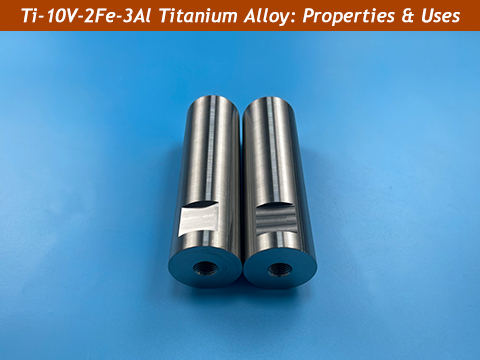
Ti-10V-2Fe-3Al titanium alloy, also known as
Ti-10-2-3, is a high-strength titanium alloy designed for applications that require
low weight and excellent mechanical performance.
This alloy is made mainly from
titanium with added elements including
vanadium (V), iron (Fe), and aluminum (Al). Each element improves different properties of the material.
Vanadium increases the alloy’s strength.
Iron improves hardenability and corrosion resistance.
Aluminum helps improve strength and processing performance.
Compared with standard titanium alloys, Ti-10V-2Fe-3Al provides a better balance of
high strength, low density, corrosion resistance, and fatigue performance. It can maintain stable performance even when exposed to heavy loads and repeated stress.
Another important advantage of Ti-10V-2Fe-3Al is its
excellent fatigue resistance. The alloy can handle repeated loading without easily losing its mechanical strength, making it suitable for safety-critical components. It also has good hot forgeability, which allows manufacturers to produce complex parts more efficiently while maintaining consistent quality.
Due to its high strength-to-weight ratio and reliable performance, Ti-10V-2Fe-3Al is widely used in aerospace structures, aircraft landing gear components, high-strength fasteners, and other demanding engineering applications.
In this article, we will introduce the
composition, properties, applications, and specifications of Ti-10V-2Fe-3Al titanium alloy to help you better understand this advanced titanium material.
Chemical Composition of Ti-10V-2Fe-3Al Alloy
The performance of Ti-10V-2Fe-3Al titanium alloy comes from the combination of titanium and carefully controlled alloying elements. The material uses
titanium (Ti) as the balance element, with
vanadium (V), iron (Fe), and aluminum (Al) as the main alloy additions.
These elements are added in specific amounts to achieve a good balance between strength, toughness, corrosion resistance, and processing performance.
Main Alloying Elements and Their Functions
·
Vanadium (V): 9.0–11.0%
Vanadium is the primary beta-phase stabilizing element in Ti-10V-2Fe-3Al. It improves the alloy’s strength and helps achieve excellent mechanical properties after heat treatment.
·
Iron (Fe): 1.6–2.2%
Iron improves hardenability, allowing the alloy to achieve consistent strength throughout thicker sections. It also contributes to the alloy’s corrosion resistance and overall performance.
·
Aluminum (Al): 2.6–3.4%
Aluminum strengthens the titanium matrix and helps improve the alloy’s stability at elevated temperatures. It also supports good processing performance during manufacturing.
Typical Chemical Composition of Ti-10V-2Fe-3Al Titanium Alloy
|
Element |
Content (wt.%) |
|
Titanium (Ti) |
Balance |
|
Vanadium (V) |
9.0–11.0 |
|
Iron (Fe) |
1.6–2.2 |
|
Aluminum (Al) |
2.6–3.4 |
|
Oxygen (O) |
≤0.13 |
|
Nitrogen (N) |
≤0.05 |
|
Carbon (C) |
≤0.05 |
|
Hydrogen (H) |
≤0.05 |
|
Yttrium (Y) |
≤0.005 |
The controlled levels of oxygen, nitrogen, carbon, and hydrogen are important for maintaining the alloy’s ductility, toughness, and long-term reliability. By carefully controlling both major alloying elements and impurities, Ti-10V-2Fe-3Al achieves the high-performance characteristics required for aerospace and other advanced applications.
Mechanical Properties of Ti-10V-2Fe-3Al Titanium Alloy
Ti-10V-2Fe-3Al titanium alloy is known for its
high strength, low density, and excellent fatigue resistance. It provides a good balance of strength and toughness, making it suitable for components that need to handle heavy loads while keeping weight low.
With a density of approximately
4.65 g/cm³, Ti-10V-2Fe-3Al is much lighter than steel while offering strong mechanical performance. Its typical
tensile strength is around 960 MPa, and its
yield strength is around 895 MPa, providing reliable performance in demanding applications.
The alloy also has good ductility and fatigue resistance. With an elongation of about
9%, it can absorb deformation before failure, helping improve the safety and service life of components exposed to repeated stress.
Typical Mechanical Properties of Ti-10V-2Fe-3Al
|
Property |
Typical Value |
|
Density |
4.65 g/cm³ |
|
Tensile Strength |
960 MPa |
|
Yield Strength |
895 MPa |
|
Elongation |
9-10% |
Due to its combination of
high strength, lightweight design, and fatigue resistance, Ti-10V-2Fe-3Al is widely used in aerospace and other high-performance applications, especially for parts that require long-term reliability under heavy loading conditions.
Applications of Ti-10V-2Fe-3Al Titanium Alloy
Ti-10V-2Fe-3Al titanium alloy is used in industries that need materials with
high strength, low weight, and good corrosion resistance. Its excellent fatigue resistance also allows it to perform well in parts that experience repeated stress during operation.
Aerospace Applications
The aerospace industry is one of the most important application areas for Ti-10V-2Fe-3Al. The alloy is strong but lightweight, which helps reduce the weight of aircraft while maintaining safety and reliability.
Common aerospace applications include:
·
Aircraft landing gear components: The alloy can withstand heavy loads and repeated impact, making it suitable for landing gear parts.
·
Aircraft structural components: Its high strength-to-weight ratio makes it useful for lightweight structural parts.
·
Fasteners and fittings: The alloy provides reliable strength for important connection components.
Medical Applications
Titanium alloys are commonly used in medical devices because they are
corrosion resistant and compatible with the human body. Ti-10V-2Fe-3Al can be used for high-strength medical components, including
orthopedic parts, bone fixation devices, and surgical tools.
Marine and Offshore Applications
Ti-10V-2Fe-3Al has good resistance to corrosion, making it suitable for use in challenging environments. It can be used for
marine equipment, offshore components, and other parts exposed to seawater or humid conditions.
Sports Equipment
The lightweight and strong characteristics of Ti-10V-2Fe-3Al are also valuable for high-performance sports products. It can be used in applications such as
bicycle frames, golf club components, and other equipment where weight reduction and durability are important.
With its excellent combination of
strength, lightweight design, and corrosion resistance, Ti-10V-2Fe-3Al titanium alloy is a reliable material for aerospace and other high-performance applications.
Ti-10V-2Fe-3Al vs Ti-6Al-4V Titanium Alloy
Ti-10V-2Fe-3Al and Ti-6Al-4V are both high-performance titanium alloys. They have similar advantages, including high strength, corrosion resistance, and lightweight properties. However, they are used for different needs.
Ti-6Al-4V (Grade 5 titanium) is the most commonly used titanium alloy. It offers a good balance of strength, durability, corrosion resistance, and processing performance. Because of its reliable overall performance, it is widely used in aerospace parts, medical implants, marine equipment, and industrial products.
Ti-10V-2Fe-3Al is a high-strength titanium alloy mainly developed for applications that require greater load-carrying ability. It can achieve excellent strength after heat treatment, making it suitable for heavy-duty aerospace components, such as aircraft landing gear parts.
Main Differences
|
Feature |
Ti-10V-2Fe-3Al |
Ti-6Al-4V |
|
Strength |
Higher strength potential after heat treatment |
High strength for general applications |
|
Weight |
Slightly higher density |
Lower density |
|
Main Advantage |
Handles heavier loads and repeated stress |
Good balance of performance and processing |
|
Manufacturing |
Requires more careful processing |
Easier to manufacture |
|
Common Uses |
Aircraft landing gear, high-strength aerospace parts |
Aerospace structures, medical devices, industrial parts |
Which Titanium Alloy Should You Choose?
Choose
Ti-6Al-4V when you need a reliable titanium alloy for general applications. It is easier to process and has been widely proven in many industries.
Choose
Ti-10V-2Fe-3Al when the component needs higher strength and better resistance to repeated loading, especially in aerospace applications where safety and durability are critical.
In simple terms, Ti-6Al-4V is a versatile titanium alloy for many industries, while Ti-10V-2Fe-3Al is a specialized high-strength alloy for more demanding applications.
Ti-10V-2Fe-3Al Titanium Alloy Specifications and Product Forms
Ti-10V-2Fe-3Al titanium alloy is mainly supplied in forms that support the production of high-strength aerospace and engineering components. Compared with general titanium alloys, this material is more commonly used for forgings and large bars because of its excellent strength and suitability for complex structural parts.
Common Product Forms
Titanium Forgings
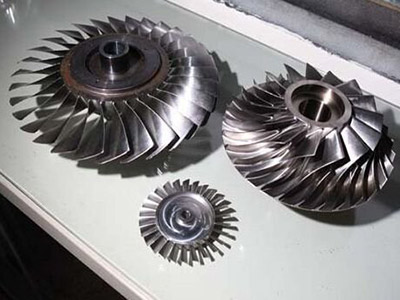
Titanium Forgings are one of the most important product forms of Ti-10V-2Fe-3Al. The alloy has good forging performance and can be processed into complex shapes with high strength and reliability.
Common forged components include:
· Aircraft landing gear parts
· Aerospace structural components
· High-strength connection parts
Forged Ti-10V-2Fe-3Al components are widely used in aerospace applications because the forging process helps improve the material’s strength and structural performance.
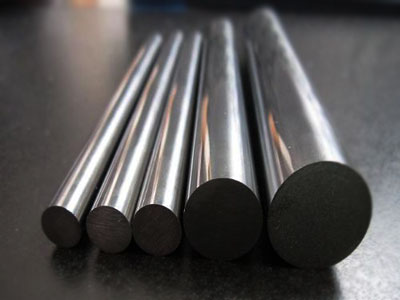
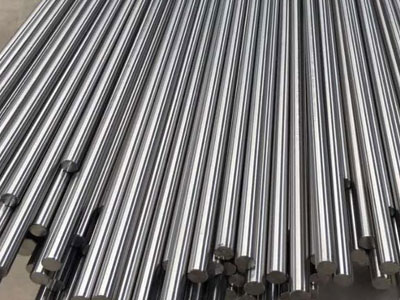
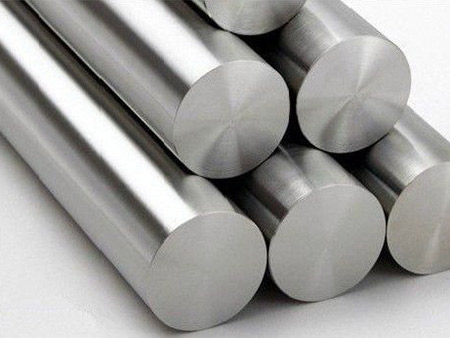
Titanium Bars and Rods
Ti-10V-2Fe-3Al
titanium bars and rods are commonly used as raw materials for machining high-strength components. They are available in different sizes and conditions depending on application requirements.
Typical applications include:
· Machined aerospace parts
· High-strength fasteners
· Components requiring excellent fatigue resistance
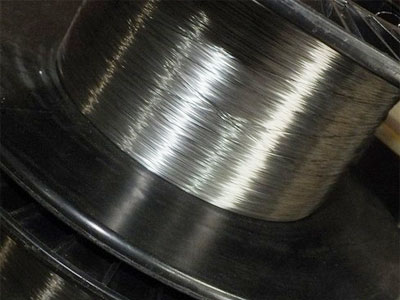
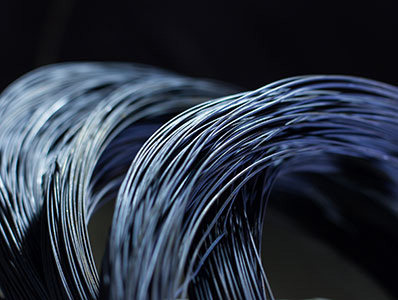
Titanium Wires
Ti-10V-2Fe-3Al
titanium wire is used for specialized applications that require small-diameter materials with high strength. It can also be used as a raw material for advanced manufacturing processes.
Material Standards and Quality Control
Ti-10V-2Fe-3Al titanium alloy products are typically supplied according to aerospace material specifications, such as AMS standards, depending on the product form and condition.
Quality requirements usually include:
· Chemical composition testing
· Mechanical property testing
· Heat treatment control
· Non-destructive testing (NDT)
With its excellent strength, fatigue resistance, and forging capability, Ti-10V-2Fe-3Al titanium alloy is especially suitable for aerospace components and other applications requiring reliable performance under heavy loads.
Ti-10V-2Fe-3Al Titanium Alloy Supply from AEM Metal
AEM Metal supplies Ti-10V-2Fe-3Al titanium alloy for aerospace and other high-performance applications that require strong and reliable materials.
We can provide Ti-10V-2Fe-3Al in different forms, including bars, rods, forgings, and customized products. We can also support special size and specification requirements based on your project needs.
With experience in advanced metal materials, AEM Metal helps customers find the right titanium alloy solution for their applications. Whether you need standard products or customized materials, our team can provide professional support.
Contact AEM Metal for Ti-10V-2Fe-3Al titanium alloy supply and customized solutions.