Understanding ASTM B708: Materials, Specifications, and Uses
views, Updated: June 02, 2026 by aemmetal
Introduction
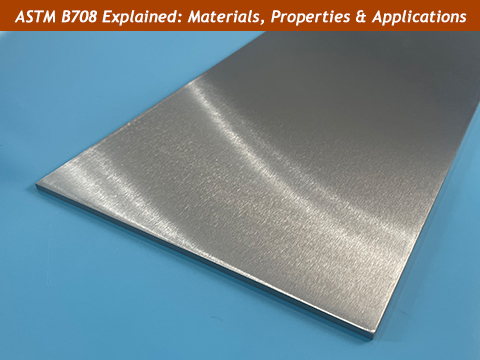
ASTM B708 is a standard that defines how tantalum and tantalum alloy plates, sheets, and strips should be made and tested. It ensures the materials have consistent quality, strength, and chemical composition so they perform reliably in demanding environments.
Tantalum is a metal that resists corrosion, stays stable at high temperatures, and is strong yet easy to shape. Due to these properties, tantalum is used in industries where regular metals cannot handle corrosion, heat, or chemical exposure. These industries include chemical processing, semiconductors, aerospace, medical devices, and high-temperature equipment.
The standard covers both pure tantalum and tantalum alloys that include elements like tungsten or niobium. Each type has slightly different strengths, flexibility, and resistance to corrosion, allowing engineers to choose the right material for specific uses.
This guide explains what ASTM B708 covers, the grades of tantalum included, their chemical and mechanical requirements, and common applications of ASTM B708 materials.
What Is ASTM B708?
ASTM B708 is a material specification for tantalum and tantalum alloy plate, sheet, and strip products. Published by
ASTM International, the standard establishes requirements for manufacturing, chemical composition, mechanical properties, testing, and quality control.
The purpose of ASTM B708 is to ensure that tantalum materials meet consistent performance and quality requirements regardless of the manufacturer. By following a recognized standard, material suppliers and end users can work with the same technical requirements and expectations.
ASTM B708 covers several grades of tantalum and tantalum alloys, including commercially pure tantalum and alloyed grades containing tungsten or niobium. Each grade is designed to provide specific performance characteristics, such as improved strength or enhanced high-temperature performance.
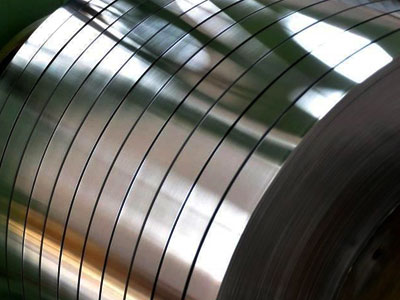
The standard applies specifically to flat-rolled products, including:
These materials are commonly used in corrosive environments, high-temperature systems, and applications that require excellent chemical stability.
ASTM B708 vs ASTM B365
ASTM B708 and ASTM B365 both cover tantalum materials, but they apply to different product forms. ASTM B708 covers flat products such as plate, sheet, and strip. In contrast, ASTM B365 applies to mill products including rod, wire, and bar.
When purchasing tantalum materials, it is important to reference the correct specification. For example, a tantalum sheet should meet ASTM B708 requirements, while a tantalum wire should comply with ASTM B365.
Materials Covered by ASTM B708
ASTM B708 includes both commercially pure tantalum and tantalum alloy grades. Each grade is designed to meet specific performance needs, such as corrosion resistance, strength, or high-temperature stability.
Commercially Pure Tantalum Grades
·
UNS R05200 – A commonly used pure tantalum grade. It has excellent corrosion resistance and good ductility. It is suitable for chemical processing equipment and other highly corrosive environments.
·
UNS R05400 – Similar to R05200 but with slightly different mechanical properties. It is often chosen when higher strength is required while maintaining high corrosion resistance.
Tantalum Alloy Grades
-
UNS R05252 (Ta-2.5W) – This alloy contains 2.5% tungsten. It provides higher strength than pure tantalum while retaining good corrosion resistance, making it suitable for more demanding applications.
-
UNS R05255 (Ta-10W) – Contains 10% tungsten for even greater strength and high-temperature performance. It is often used in applications where mechanical stress is higher.
-
UNS R05240 (Ta-40Nb) – A tantalum-niobium alloy with improved strength and stability. This grade is chosen for specialized chemical or high-temperature environments.
Comparison of Grades
|
Grade |
Alloying Elements |
Key Characteristics |
Typical Applications |
|
R05200 |
None |
Excellent corrosion resistance, good ductility |
Chemical tanks, heat exchangers |
|
R05400 |
None |
Higher strength than R05200 |
Corrosion-resistant components under moderate stress |
|
R05252 |
2.5% W |
Increased strength, good corrosion resistance |
Industrial equipment under higher mechanical stress |
|
R05255 |
10% W |
High strength, better high-temperature performance |
High-stress chemical or furnace components |
|
R05240 |
40% Nb |
High strength and stability |
Specialized chemical and high-temperature applications |
These grades allow engineers to select the right tantalum material based on the balance of strength, corrosion resistance, and temperature stability required for their application.
ASTM B708 Material Requirements
ASTM B708 establishes requirements for both chemical composition and mechanical properties. These requirements help ensure that tantalum materials deliver consistent performance, whether they are used in chemical processing equipment, semiconductor systems, or high-temperature applications.
Chemical Composition Requirements
The standard sets limits on the amount of specific elements allowed in each grade. In addition to tantalum, alloy grades may contain controlled amounts of tungsten or niobium to improve strength and performance.
ASTM B708 also limits impurities such as oxygen, nitrogen, carbon, hydrogen, iron, nickel, and silicon. Controlling these elements is important because excessive impurities can affect corrosion resistance, ductility, and overall material quality.
The exact composition requirements vary by grade. For example:
-
R05200 and R05400 are commercially pure tantalum grades.
-
R05252 contains approximately 2.5% tungsten.
-
R05255 contains approximately 10% tungsten.
-
R05240 contains approximately 40% niobium.
By maintaining strict composition limits, ASTM B708 helps ensure consistent material properties and reliable performance in critical applications.
Mechanical Property Requirements
In addition to chemical composition, ASTM B708 specifies minimum mechanical property requirements for each grade.
The most important properties include:
-
Tensile Strength – The maximum stress the material can withstand before breaking.
-
Yield Strength – The stress at which the material begins to deform permanently.
-
Elongation – A measure of how much the material can stretch before fracture.
These properties help engineers evaluate whether a material can withstand the loads and operating conditions of a specific application.
In general, pure tantalum grades offer excellent ductility and formability, while tantalum-tungsten alloys provide higher strength and improved performance at elevated temperatures. Tantalum-niobium alloys offer a balance of strength, workability, and corrosion resistance.
Testing and Quality Verification
To verify compliance with ASTM B708, manufacturers perform various inspections and tests during production. These may include chemical analysis, tensile testing, dimensional inspection, and surface quality examination.
Testing helps confirm that the material meets the specified requirements before it is supplied for industrial use. This gives engineers and buyers greater confidence in the consistency and reliability of ASTM B708 tantalum products.
Key Properties of ASTM B708 Tantalum Materials
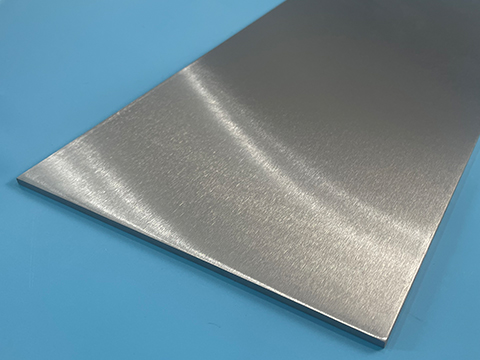
Tantalum is used in some of the most demanding industrial environments because it combines excellent corrosion resistance with high-temperature stability and good workability. These properties help ASTM B708 materials deliver reliable performance in applications where many other metals may not last.
Excellent Corrosion Resistance
One of the most valuable properties of tantalum is its exceptional resistance to corrosion. When exposed to air, tantalum forms a thin, stable oxide layer on its surface. This protective layer helps shield the metal from many aggressive chemicals.
As a result, ASTM B708 tantalum materials are commonly used in chemical processing equipment that handles strong acids and other corrosive substances. Their resistance to corrosion can help reduce maintenance requirements and extend equipment service life.
High Melting Point
Tantalum has a melting point of approximately 3,017°C (5,463°F), one of the highest among commercially available metals.
This allows ASTM B708 materials to maintain their stability and performance in high-temperature environments where other commonly used engineering metals may lose performance. For this reason, tantalum is often used in furnace components, heat-processing equipment, and aerospace applications.
Good Ductility and Formability
Despite its high strength and temperature resistance, tantalum remains relatively easy to form and fabricate.
ASTM B708 sheet and strip products can be cut, formed, and shaped into complex components without losing their key performance characteristics. This combination of strength and workability makes tantalum a practical material for a wide range of engineered products.
Biocompatibility
Tantalum is highly compatible with the human body and does not easily react with biological tissues.
Because of this property, tantalum has been used in certain medical and surgical applications, including implants and specialized medical devices. Its long-term stability helps support reliable performance in these demanding environments.
Excellent Performance in Vacuum Environments
Tantalum performs well in vacuum and controlled-atmosphere systems due to its stability and resistance to contamination.
This makes ASTM B708 tantalum materials a popular choice for semiconductor manufacturing equipment, vacuum furnaces, and electronic processing systems where material purity is critical.
Together, these properties make ASTM B708 tantalum plate, sheet, and strip products suitable for a wide range of industries that require reliable performance under corrosive, high-temperature, or highly controlled operating conditions.
Common Applications of ASTM B708 Materials
Thanks to their excellent corrosion resistance, high-temperature stability, and chemical purity, ASTM B708 tantalum materials are used in a wide range of industries. Tantalum plate, sheet, and strip products are especially valuable in environments where materials must withstand heat, aggressive chemicals, or vacuum conditions.
Chemical Processing Equipment
Tantalum is widely used in chemical processing because it offers outstanding resistance to many corrosive acids and chemical compounds.
ASTM B708 tantalum plates and sheets are commonly used to manufacture:
-
Heat exchangers
-
Reaction vessels
-
Chemical tanks
-
Linings for corrosion-resistant equipment
Their long service life and resistance to chemical attack help reduce maintenance costs and improve equipment reliability.
High-Temperature Furnaces and Heat Treatment
Tantalum maintains its strength and stability at extremely high temperatures. This makes ASTM B708 materials a popular choice for vacuum furnaces, heat-treatment systems, and thermal processing equipment.
Common applications include:
-
Furnace liners
-
Heat shields
-
Tantalum foil wrapping materials
-
High-temperature fixtures and supports
In research laboratories and industrial heat-treatment operations, tantalum foil is often used to protect materials during high-temperature processing and solid-state reaction experiments.
Semiconductor Manufacturing
The semiconductor industry requires materials with high purity and excellent performance in vacuum environments. Tantalum meets these requirements while providing good resistance to heat and contamination.
ASTM B708 tantalum sheets and foils are commonly used in:
-
Semiconductor processing equipment
-
Vacuum chambers
-
Sputtering targets
-
Thin-film deposition systems
The material's stability helps maintain clean processing conditions, which is critical for semiconductor production.
Research and Laboratory Applications
Tantalum is frequently used in universities, research institutes, and industrial laboratories.
Because of its high purity and resistance to heat and chemicals, ASTM B708 tantalum materials are used for:
-
Materials synthesis research
-
Sample holders
-
Laboratory tools
-
High-temperature testing equipment
Researchers often select tantalum when working with reactive materials or conducting experiments at elevated temperatures.
Medical and Specialized Consumer Products
Tantalum is biocompatible and highly resistant to corrosion, making it suitable for certain medical applications.
In addition, its unique appearance and durability have led to its use in specialty consumer products, including jewelry and custom-engineered components. Although these applications typically use smaller quantities of material, they benefit from the same material quality and consistency required by ASTM B708.
Conclusion
ASTM B708 defines clear standards for tantalum and tantalum alloy materials, ensuring consistent chemical composition, mechanical properties, and reliable performance.
Thanks to their corrosion resistance, high-temperature stability, and excellent workability, these materials are widely used in chemical processing, high-temperature equipment, semiconductor manufacturing, research laboratories, and specialized applications.
Understanding ASTM B708 and the properties of its different grades helps engineers and buyers choose the right tantalum material for demanding projects.
If you need high-quality ASTM B708
tantalum materials for your applications, our team can provide expert guidance and support—
contact us today to discuss your requirements.