Introduction
Ti 6Al 2Sn 4Zr2Mo, also called
Titanium 6242 or
Ti-6242, is a
near-alpha titanium alloy designed for high-temperature applications. It offers a good balance of strength, heat resistance, and low weight, making it popular in the aerospace industry.
Compared with standard titanium alloys, Titanium 6242 can keep stable performance at temperatures up to about 540°C (1000°F). Because of this, it is often used for compressor blades, engine components, gas turbine parts, and other high-temperature structures.
The alloy contains
6% aluminum, 2% tin, 4% zirconium, and 2% molybdenum, which gives it strong mechanical properties and good resistance to heat and fatigue.
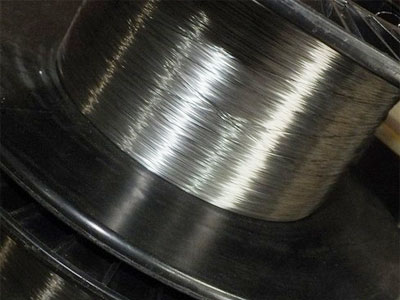
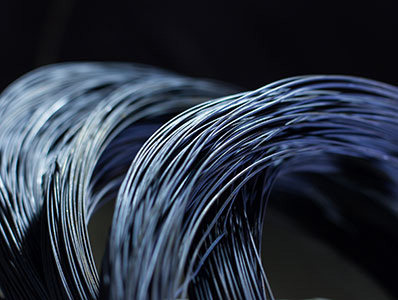
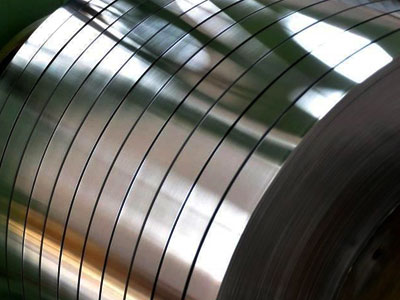
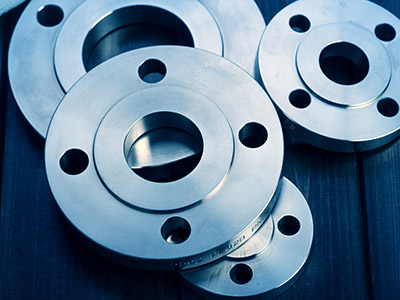
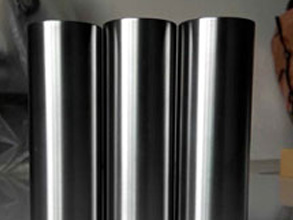
Titanium 6242 is available in different product forms, including bars, rods, plates, sheets, forgings, rings, and custom machined parts. In this guide, we will look at its properties, applications, comparison with Ti 6Al 4V, and available products.
What Is Ti 6Al 2Sn 4Zr2Mo (Titanium 6242)?
Titanium 6242 is a
near-alpha titanium alloy developed for applications that require good strength and stable performance at elevated temperatures. The alloy contains aluminum, tin, zirconium, molybdenum, and a small amount of silicon, while titanium remains the balance.
Compared to some standard titanium grades, this alloy uses a more complex composition to improve thermal stability, creep resistance, and mechanical performance.
Typical chemical composition is shown below:
|
Element |
Composition |
|
Carbon (C) |
<0.10% |
|
Iron (Fe) |
<0.25% |
|
Nitrogen (N) |
<0.05% |
|
Oxygen (O) |
<0.15% |
|
Aluminum (Al) |
5.5–6.5% |
|
Tin (Sn) |
1.8–2.2% |
|
Zirconium (Zr) |
3.6–4.4% |
|
Molybdenum (Mo) |
1.8–2.2% |
|
Silicon (Si) |
0.06–0.10% |
|
Hydrogen (H) |
<0.0150% |
|
Titanium (Ti) |
Balance |
Each alloying element contributes differently to material performance:
-
Aluminum increases strength and supports the alpha phase structure.
-
Tin helps improve performance at elevated temperatures.
-
Zirconium contributes to thermal stability and creep resistance.
-
Molybdenum controls the beta phase and improves mechanical properties.
-
Silicon supports high-temperature strength and long-term stability.
Classification of Titanium 6242
Titanium alloys are generally divided into
alpha,
near-alpha,
alpha-beta, and
beta alloys based on their microstructure.
Titanium 6242 belongs to the
near-alpha group, which means it contains mainly alpha phase with a limited amount of beta-stabilizing elements. This structure gives the alloy better high-temperature capability than many common titanium materials.
Key Properties of Titanium 6242
Titanium 6242 is designed to provide a balance between strength, heat resistance, and low weight. These properties make it suitable for parts that work under both mechanical load and elevated temperatures.
High Strength-to-Weight Ratio
One of the main advantages of this alloy is its high strength while keeping a relatively low density. With a density of about
4.54 g/cm³, it is much lighter than many steel materials but still offers strong mechanical performance.
This combination helps reduce component weight without sacrificing structural strength, which is especially important in aerospace systems and other weight-sensitive applications.
Good High-Temperature Performance
Compared with many common titanium grades, Titanium 6242 is developed for service at higher temperatures.
The alloy can maintain stable properties at temperatures up to approximately
540°C (1000°F). It also shows good resistance to:
-
Thermal exposure
-
Long-term deformation (creep)
-
Strength loss at elevated temperatures
Because of this, it is often selected for components exposed to continuous heat.
Excellent Fatigue and Creep Resistance
Many engineering components experience repeated loading during operation. Over time, this can cause cracks and reduce service life.
Titanium 6242 offers good
fatigue resistance, helping parts withstand cyclic stress over long periods. The alloy also has strong
creep resistance, meaning it can better maintain shape and strength during long exposure to heat and load.
These properties are important for rotating parts and structural components operating under demanding conditions.
Good Corrosion Resistance
Like many titanium alloys, Titanium 6242 forms a natural oxide layer on the surface. This layer helps protect the material from corrosion in many environments.
The alloy performs well in:
-
Humid environments
-
Salt-containing conditions
-
Some industrial processing environments
This resistance helps improve durability and reduce maintenance requirements.
Processing and Manufacturing Performance
Titanium 6242 can be processed into bars, plates, forgings, rings, and machined components. Because the alloy is used in demanding applications, manufacturing control is important to maintain stable quality and performance.
Common processes include:
-
Forging
-
Rolling
-
Heat treatment
-
Machining
For aerospace materials, advanced melting methods such as
Vacuum Arc Remelting (VAR) and
Electron Beam Cold Hearth Melting (EBCHM) are often used.
These processes help improve:
-
Material cleanliness
-
Composition consistency
-
Quality control
After melting, additional forging and heat treatment may be applied to achieve the required properties and dimensions.
Titanium 6242 Physical and Mechanical Properties
Titanium 6242 combines relatively low weight with good strength and thermal stability. The following tables show the typical physical and mechanical properties of the alloy.
Physical Properties of Titanium 6242
|
Property |
Value |
|
Density |
4.54 g/cm³ |
|
Melting Range |
1600–1660°C |
|
Elastic Modulus |
113 GPa |
|
Thermal Conductivity |
6.7 W/m·K |
|
Electrical Resistivity |
178 μΩ·cm |
|
Coefficient of Thermal Expansion |
8.8 × 10⁻⁶ /°C |
The alloy has a density close to many titanium grades, helping maintain a good balance between weight and strength. Its thermal properties also support applications exposed to elevated temperatures.
Mechanical Properties of Titanium 6242
|
Property |
Typical Value |
|
Tensile Strength |
930–1100 MPa |
|
Yield Strength |
860–1030 MPa |
|
Elongation |
8–15% |
|
Reduction of Area |
20–35% |
|
Hardness |
30–36 HRC |
|
Fatigue Strength |
Good |
Actual values may vary depending on product form, heat treatment condition, and manufacturing process.
Titanium 6242 vs Ti 6Al 4V: What Is the Difference?
Titanium 6242 and
Ti 6Al 4V are both widely used titanium alloys, but they are developed for different operating conditions.
Ti 6Al 4V is an
alpha-beta alloy commonly used for general aerospace, medical, and industrial applications because of its balanced strength and easier processing.
Titanium 6242 is a
near-alpha alloy designed for components that work under higher temperatures and long-term loading conditions. It offers improved thermal stability and creep resistance, making it suitable for demanding aerospace environments.
Property Comparison
|
Property |
Titanium 6242 |
Ti 6Al 4V |
|
Alloy Type |
Near-alpha |
Alpha-beta |
|
Density |
4.54 g/cm³ |
4.43 g/cm³ |
|
Tensile Strength |
930–1100 MPa |
895–930 MPa |
|
Yield Strength |
860–1030 MPa |
825–880 MPa |
|
Elongation |
8–15% |
10–15% |
|
Modulus of Elasticity |
113 GPa |
114 GPa |
|
Maximum Service Temperature |
About 540°C |
About 315–400°C |
|
Creep Resistance |
Better |
Moderate |
|
Machinability |
More difficult |
Easier |
|
Typical Applications |
Engine components, compressor parts |
General aerospace, medical, industrial |
High-Temperature Performance
The biggest difference between these two alloys is their temperature capability.
Although Titanium 6242 generally provides higher tensile and yield strength, its main advantage is better performance at elevated temperatures. The alloy can maintain stable properties at temperatures up to about
540°C, while Ti 6Al 4V is normally used at lower temperatures.
This makes Titanium 6242 a better choice for components exposed to continuous heat and mechanical stress.
Processing Comparison
Ti 6Al 4V is easier to machine and manufacture, which helps reduce processing complexity.
Titanium 6242 requires tighter control during melting, forging, and heat treatment because it is designed for more demanding service conditions.
Which Alloy Should You Choose?
Choose
Ti 6Al 4V when you need:
-
General structural applications
-
Easier machining and fabrication
-
Wider material availability
Choose
Titanium 6242 when you need:
-
Higher service temperatures
-
Better creep resistance
-
Long-term stability under heat and load
Both alloys are important aerospace materials, but Titanium 6242 is usually preferred when temperature performance becomes the main requirement.
Applications of Titanium 6242
Titanium 6242 is mainly used in applications that require a combination of
high strength, low weight, and stable performance under elevated temperatures. It is especially common in aerospace and other demanding environments.
Aerospace Engine Components
One of the main uses of Titanium 6242 is in aircraft engines. The alloy is often selected for components operating under heat and mechanical loading.
Typical applications include:
-
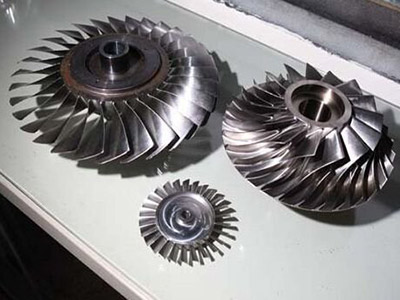
Compressor blades
-
Compressor discs
-
Engine casings
-
Fan hubs
-
Structural engine parts
Its performance helps improve reliability while reducing component weight.
Gas Turbine Components
Titanium 6242 is also used in gas turbine systems where materials are exposed to continuous heat and stress.
The alloy may be used for:
-
Turbine structures
-
High-load rotating parts
-
Supporting components near hot sections
Compared with standard titanium grades, it offers better long-term stability in these conditions.
Aerospace Structural Parts
Besides engine systems, Titanium 6242 is used in aerospace structures that require lightweight materials with good mechanical properties.
Examples include:
-
Airframe components
-
Load-bearing structures
-
High-temperature assemblies
-
Critical aerospace hardware
These parts benefit from the alloy’s balance between strength and weight.
High-Performance Industrial Applications
Although aerospace is the primary market, Titanium 6242 can also be used in some industrial applications requiring elevated-temperature performance and long service life.
Typical examples include:
-
High-temperature equipment
-
Precision engineered parts
-
Heavy-load components
-
Specialized industrial systems
Available Product Forms of Titanium 6242
Titanium 6242 is available in several product forms for aerospace and high-performance applications. The material can be supplied as standard mill products or further processed into custom components.
Titanium 6242 Plates and Sheets
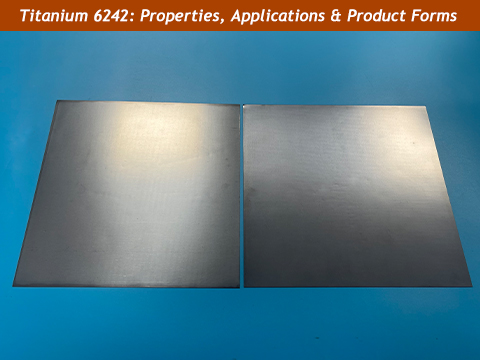
Titanium plates and sheets are commonly used for structural components, fabricated parts, and lightweight assemblies. They are available in different thickness ranges depending on application requirements.
Titanium 6242 Round Bars
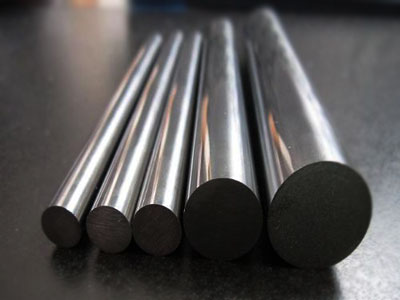
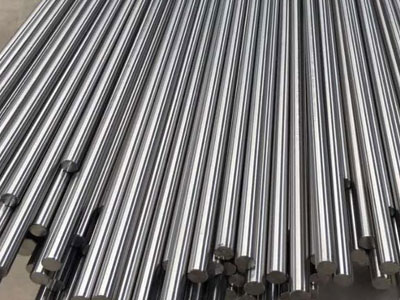
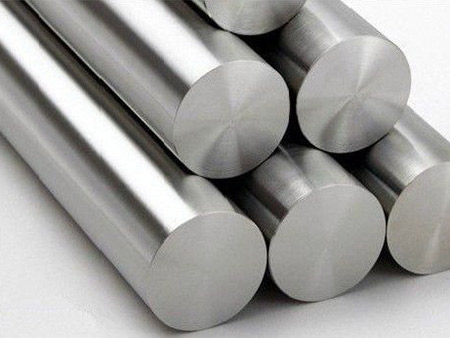
Round bars are one of the most common forms of Titanium 6242. They are often used for machining aerospace components, shafts, fasteners, and high-load parts.
Titanium 6242 Tubes
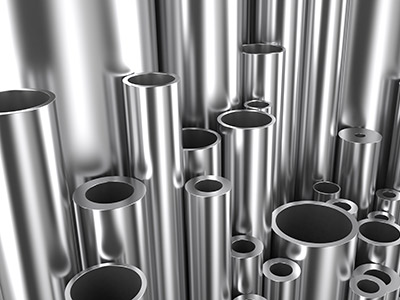
Titanium tubes may be used in specialized applications requiring low weight and reliable mechanical performance.
Custom Processing Options
Besides standard products, Titanium 6242 can also be processed through:
· Cutting
· Machining
· Forging
· Surface finishing
Product dimensions and specifications can be customized based on project requirements.
Conclusion
Ti 6Al 2Sn 4Zr2Mo, or
Titanium 6242, is a near-alpha titanium alloy designed for applications that require
high strength, low weight, and good performance at elevated temperatures.
Compared with Ti 6Al 4V, Titanium 6242 offers better heat resistance and creep performance, making it suitable for aerospace engine components, compressor parts, gas turbines, and other demanding applications.
The material is available in forms such as
plates, sheets, round bars, and tubes, depending on project requirements.
As a
titanium manufacturer, AEM Metal supplies Titanium 6242 products and supports custom processing for different applications. If you need help selecting materials or product forms, our team can provide technical support based on your project requirements.