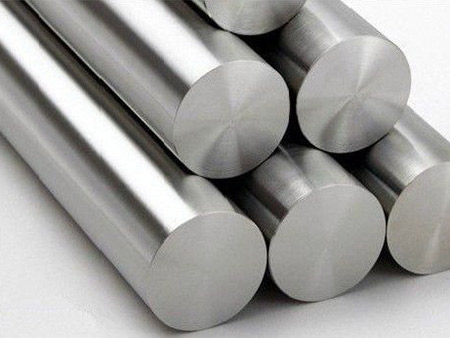
Corrosion Resistant Alloys: Types, Properties, and Applications
views, Updated: August 13, 2026 by aemmetal
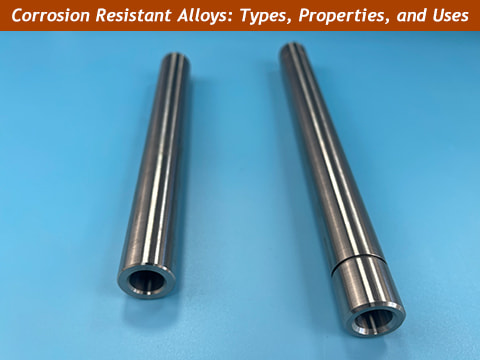
Introduction
Corrosion is a common problem in many industries. When metals are exposed to chemicals, seawater, salt, or high temperatures, they can gradually lose strength and performance. This may lead to equipment damage, higher maintenance costs, and shorter service life.
Corrosion-resistant alloys are materials designed to work in these challenging environments. They can slow down corrosion and maintain their properties for a longer time. Different alloy elements, such as chromium, nickel, titanium, cobalt, and tantalum, help improve corrosion resistance.
There is no single material that works best for every application. Stainless steel is suitable for general corrosion protection, titanium performs well in seawater and chloride environments, nickel-based alloys are widely used in chemical and high-temperature applications, and tantalum is chosen for extremely corrosive conditions.
In this article, we will introduce the main types of corrosion-resistant alloys, explain their key advantages, and discuss how to choose the right material for different industrial applications.
What Are Corrosion-Resistant Alloys?
Corrosion-resistant alloys are metal materials designed to withstand chemical reactions that can damage ordinary metals. They are commonly used in industries where equipment must operate in contact with corrosive substances, such as acids, seawater, salts, and high-temperature gases.
The corrosion resistance of these materials mainly comes from their chemical composition. Elements such as
chromium, nickel, titanium, cobalt, and tantalum can improve the material's ability to resist corrosion and maintain performance over time.
Many corrosion-resistant alloys protect themselves by forming a thin oxide layer on the surface. This protective layer acts as a barrier between the metal and the surrounding environment, slowing down further corrosion.
For example:
·
Stainless steel forms a chromium oxide (Cr₂O₃) layer that helps protect against oxidation and general corrosion.
·
Titanium develops a stable titanium dioxide (TiO₂) layer, providing excellent resistance to seawater and chloride environments.
·
Tantalum forms a highly stable tantalum pentoxide (Ta₂O₅) layer, allowing it to resist some of the most aggressive chemicals, including hydrochloric acid, nitric acid, and aqua regia.
Because different alloys offer different levels of corrosion resistance, material selection depends on the specific working environment, including the type of chemicals involved, operating temperature, and mechanical requirements.
Factors That Determine Corrosion Resistance
The corrosion resistance of an alloy depends on several factors, including its chemical composition, surface protection, operating environment, and temperature. Understanding these factors enables engineers to select the right material for different applications.
Chemical Composition
The elements added to an alloy play an important role in improving corrosion resistance.
·
Chromium helps form a protective oxide layer and is the key element in stainless steel.
·
Nickel improves resistance to acids, alkalis, and high-temperature corrosion.
·
Titanium provides excellent resistance to seawater and chloride-containing environments.
·
Tantalum offers exceptional resistance to highly corrosive chemicals due to its stable oxide film.
By combining different elements, alloys can achieve specific corrosion resistance properties for different industrial needs.
Protective Oxide Layer
Many corrosion-resistant alloys rely on a passive oxide layer to protect the underlying metal.
When the metal surface reacts with oxygen, it forms a thin and stable protective film. This layer prevents further chemical reactions between the metal and the surrounding environment.
Examples include:
· Stainless steel → chromium oxide (Cr₂O₃) layer
· Titanium → titanium dioxide (TiO₂) layer
· Tantalum → tantalum pentoxide (Ta₂O₅) layer
The stability of this protective layer directly affects the alloy's corrosion resistance.
Working Environment
The best corrosion-resistant alloy depends on where it will be used. Different environments create different corrosion challenges.
Important factors include:
·
Chemical exposure: Acids, alkalis, salts, and other chemicals can affect material performance.
·
Chloride exposure: Chlorides can cause pitting and stress corrosion cracking in some metals.
·
Temperature: High temperatures can accelerate oxidation and corrosion reactions.
For example, titanium is often selected for seawater applications, while tantalum is preferred for highly corrosive chemical environments.
Temperature Resistance
Some applications require materials that can resist both corrosion and high temperatures. In these conditions, alloys must maintain their strength and protective properties even under thermal stress.
Nickel-based alloys and cobalt-based superalloys are commonly used in high-temperature environments due to their excellent oxidation resistance and corrosion protection.
Choosing the right corrosion-resistant alloy requires considering all these factors together, rather than looking only at corrosion resistance alone.
Types of Corrosion Resistant Alloys
Different industries require different levels of corrosion protection. Some materials are designed for general corrosion resistance, while others are developed for extreme chemical, marine, or high-temperature environments.
The most commonly used corrosion resistant alloys and advanced metals include stainless steel, titanium, nickel-based alloys, cobalt-based superalloys, and tantalum. Each material offers unique advantages for specific applications.
Tantalum (Ta): Extreme Corrosion Resistance for Aggressive Chemical Environments
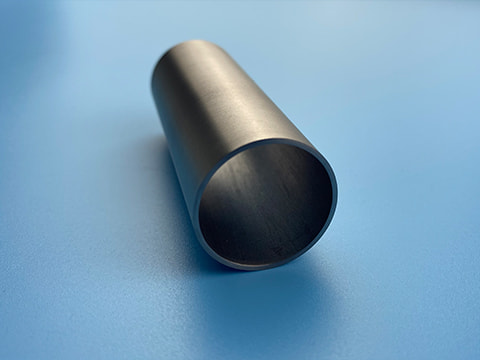
Tantalum is considered one of the most corrosion-resistant metals available. It can withstand many highly corrosive chemicals that attack other metals, making it an important material for demanding industrial applications.
The excellent corrosion resistance of tantalum comes from a stable
tantalum pentoxide (Ta₂O₅) protective film that forms naturally on its surface. This thin oxide layer prevents further chemical reactions and remains effective even in harsh conditions.
Tantalum shows outstanding resistance to:
· Hydrochloric acid
· Concentrated nitric acid
· Aqua regia
· Many other aggressive chemical environments
It maintains its corrosion resistance in both cold and hot conditions, which makes it suitable for applications where long-term reliability is required.
Common Applications of Tantalum
Tantalum is widely used in:
· Chemical processing equipment
· Heat exchangers
· Pharmaceutical equipment
· Semiconductor manufacturing equipment
For industries handling highly corrosive chemicals, tantalum is often selected when conventional corrosion-resistant alloys cannot provide sufficient protection.
For projects requiring customized sizes or high-purity materials, working with a professional
tantalum metal supplier can help ensure consistent quality and reliable supply.
Titanium (Ti): Excellent Resistance to Seawater and Chloride Environments
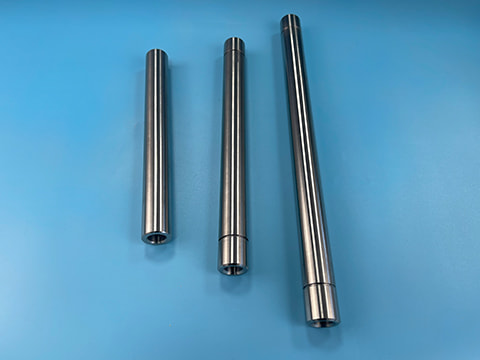
Titanium is widely recognized for its excellent corrosion resistance, especially in marine and chemical environments. It combines strong corrosion protection with a high strength-to-weight ratio, making it suitable for applications where both performance and weight are important.
Titanium forms a stable
titanium dioxide (TiO₂) passive layer on its surface. This protective film quickly repairs itself when damaged, helping titanium maintain corrosion resistance during long-term service.
Titanium performs especially well against:
· Seawater corrosion
· Chloride environments
· Many oxidizing chemicals
Common Applications of Titanium
Titanium is commonly used in:
· Marine equipment
· Chemical processing systems
· Heat exchangers
· Aerospace components
Its combination of corrosion resistance, strength, and lightweight performance makes titanium a preferred material for many advanced applications.
For projects requiring customized titanium products, working with an experienced
titanium manufacturer in China can help ensure reliable material quality, competitive production capability, and consistent supply.
Nickel-Based Alloys: Reliable Performance in Chemical and High-Temperature Environments
Nickel-based alloys are widely used in industries that require strong corrosion resistance combined with good mechanical performance at high temperatures. They are especially suitable for applications involving acids, chemicals, and high-temperature oxidation.
The corrosion resistance of nickel-based alloys comes from the addition of elements such as
chromium, molybdenum, and iron, which improve resistance to chemical attack and help maintain material stability in demanding environments.
Some nickel-based alloys are designed for specific corrosive conditions. For example,
Alloy 800 is commonly used in nitric acid environments and provides good resistance to oxidation and chloride stress corrosion cracking.
Common Applications of Nickel-Based Alloys
Nickel-based alloys are widely used in:
· Chemical processing equipment
· Heat exchangers
· Piping systems
· Petrochemical equipment
· Power generation systems
For applications where both corrosion resistance and high-temperature performance are required, nickel-based alloys provide a reliable material solution.
Cobalt-Based Superalloys: High-Temperature Corrosion and Oxidation Resistance
Cobalt-based superalloys are designed for extreme temperature environments where both corrosion resistance and mechanical strength are required. They maintain their performance under high heat, oxidation, and thermal stress conditions.
Compared with many conventional alloys, cobalt-based superalloys provide excellent:
· High-temperature oxidation resistance
· Hot corrosion resistance
· Thermal stability
These properties make them suitable for components exposed to combustion gases, high temperatures, and repeated thermal cycles.
Common Applications of Cobalt-Based Superalloys
Cobalt-based superalloys are commonly used in:
· Gas turbine components
· Aerospace engine parts
· Combustion systems
· High-temperature industrial equipment
When materials must operate continuously under severe heat and corrosive conditions, cobalt-based superalloys offer the durability required for long-term service.
Stainless Steel: Cost-Effective Corrosion Protection for General Applications
Stainless steel is one of the most widely used corrosion resistant alloys because it provides a good balance of corrosion resistance, mechanical properties, and cost.
The corrosion resistance of stainless steel mainly comes from its chromium content. Chromium reacts with oxygen to form a thin
chromium oxide (Cr₂O₃) passive layer, which protects the surface from further corrosion.
Different stainless steel grades provide different levels of corrosion resistance:
·
304 stainless steel provides good general corrosion resistance and is widely used in industrial and commercial applications.
·
316 stainless steel contains molybdenum, which improves resistance to chloride corrosion and makes it suitable for marine and chemical environments.
Common Applications of Stainless Steel
Stainless steel is commonly used in:
· Food processing equipment
· Chemical tanks
· Marine components
· Industrial machinery
· Piping systems
For general industrial environments, stainless steel remains one of the most practical corrosion-resistant materials due to its availability, performance, and cost efficiency.
Corrosion-Resistant Alloy Comparison
Different corrosion-resistant alloys are designed for different working conditions. There is no single material that is suitable for every application. The best choice depends on factors such as the type of corrosive environment, operating temperature, mechanical requirements, and service life expectations.
The table below provides a quick comparison of the main corrosion-resistant materials:
|
Material |
Corrosion Protection Mechanism |
Main Advantages |
Typical Applications |
|
Tantalum (Ta) |
Forms a stable tantalum pentoxide (Ta₂O₅) protective film |
Exceptional resistance to highly corrosive chemicals, including hydrochloric acid, nitric acid, and aqua regia |
Chemical processing equipment, heat exchangers, and semiconductor equipment |
|
Titanium (Ti) |
Forms a stable titanium dioxide (TiO₂) passive layer |
Excellent resistance to seawater, chlorides, and many oxidizing environments with a high strength-to-weight ratio |
Marine equipment, chemical processing systems, aerospace components |
|
Nickel-Based Alloys |
Nickel matrix with alloying elements such as chromium and molybdenum |
Excellent resistance to acids, chemicals, and high-temperature corrosion |
Heat exchangers, piping systems, and petrochemical equipment |
|
Cobalt-Based Superalloys |
Stable alloy structure with strong oxidation resistance at high temperatures |
Excellent hot corrosion resistance and mechanical stability under extreme heat |
Gas turbines, aerospace engines, combustion components |
|
Stainless Steel |
Forms a chromium oxide (Cr₂O₃) passive layer |
Good general corrosion resistance, availability, and cost effectiveness |
Industrial equipment, food processing, and marine components |
How to Select the Right Corrosion-Resistant Alloy
When choosing a corrosion-resistant alloy, engineers should consider the actual operating conditions rather than only comparing corrosion resistance values.
Key factors include:
·
Chemical environment: Different acids, salts, and chemicals need different materials.
·
Temperature requirements: High-temperature applications may require nickel-based alloys or cobalt-based superalloys.
·
Mechanical performance: Strength, hardness, and durability are important for load-bearing components.
·
Service life and maintenance: A more corrosion-resistant material may reduce replacement frequency and long-term operating costs.
For example:
·
Stainless steel is often the practical choice for general industrial applications.
·
Titanium is preferred for seawater and chloride-rich environments.
·
Nickel-based alloys are suitable for chemical processing and high-temperature applications.
·
Tantalum is selected for extremely corrosive chemical environments where maximum corrosion resistance is required.
Selecting the right material ensures better equipment reliability, longer service life, and improved performance in demanding industrial conditions.
Conclusion
Choosing the right corrosion-resistant alloy depends on where and how the material will be used. Different environments require different solutions. Stainless steel is a common choice for everyday industrial applications, while titanium, nickel-based alloys, and tantalum are used for more demanding conditions.
The key is to consider factors such as chemical exposure, temperature, and service requirements before selecting a material. A suitable corrosion-resistant alloy can help improve product performance, reduce maintenance needs, and provide longer service life.
By understanding the advantages of different materials, engineers can make better choices for applications in chemical processing, marine systems, aerospace, and other challenging industries.