Zirconium 702: Properties, Applications, and Material Guide
views, Updated: April 08, 2026 by aemmetal
What Is Zirconium 702?
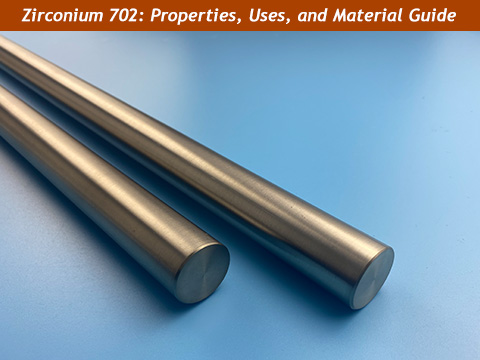
Zirconium 702 (UNS R60702) is a commercially pure zirconium material with excellent corrosion resistance and stable performance at high temperatures. It is the most commonly used zirconium grade, especially for chemical processing applications.
Zirconium 702 resists many corrosive media, including strong acids and alkalis. Because of this, it is widely used in equipment that operates in harsh environments. The material also offers good mechanical strength and reliable performance under elevated temperatures.
Common uses include heat exchangers, reactors, pipes, and other components exposed to corrosive chemicals. This combination of corrosion resistance, strength, and thermal stability makes it a dependable choice for demanding industrial applications.
Zirconium 702 Composition
Zirconium 702 is a commercially pure zirconium grade with tightly controlled impurity levels. Its composition is designed to provide excellent corrosion resistance while maintaining good strength and fabrication performance. The material contains a high percentage of zirconium, with small amounts of other elements that help control mechanical properties.
Chemical Composition (Typical %)
-
Zirconium + Hafnium: ≥ 99.2%
-
Hafnium (Hf): ≤ 4.5%
-
Oxygen (O): ≤ 0.16%
-
Iron + Chromium (Fe + Cr): ≤ 0.20%
-
Nitrogen (N): ≤ 0.025%
-
Carbon (C): ≤ 0.05%
-
Hydrogen (H): ≤ 0.005%
Zirconium and hafnium are naturally present together, so they are usually listed as a combined value. The high zirconium content is the main reason for the excellent corrosion resistance of Zirconium 702.
Oxygen is the most important strengthening element in Zirconium 702. A controlled amount of oxygen improves strength without significantly reducing corrosion resistance. Other elements such as nitrogen, carbon, and hydrogen are kept at very low levels to maintain ductility and prevent brittleness.
This balanced composition allows Zirconium 702 to offer a good combination of corrosion resistance, mechanical strength, and workability, making it suitable for a wide range of industrial applications.
Zirconium 702 Properties
Zirconium 702 offers a combination of corrosion resistance, moderate strength, and good performance at elevated temperatures. These properties make it suitable for chemical processing and other demanding industrial environments.
Mechanical Properties
Typical mechanical properties of Zirconium 702 at room temperature include:
-
Tensile Strength: ≥ 380 MPa
-
Yield Strength (0.2% offset): ≥ 205 MPa
-
Elongation: ≥ 16%
-
Hardness: Approximately 200 HV (typical)
Zirconium 702 provides moderate strength with good ductility. This allows the material to be formed, welded, and machined without difficulty. It is suitable for manufacturing pressure vessels, heat exchangers, and piping components.
Physical Properties
-
Density: 6.51 g/cm³
-
Melting Point: About 1855°C
-
Thermal Conductivity: ~22 W/m·K
-
Electrical Resistivity: ~42.7 µΩ·cm
-
Coefficient of Thermal Expansion: 5.7 µm/m·°C (20–100°C)
These physical properties allow Zirconium 702 to perform well in high-temperature environments. The relatively low thermal expansion also helps maintain dimensional stability during temperature changes.
Corrosion Resistance
Zirconium 702 has excellent corrosion resistance in both acidic and alkaline environments. It forms a dense oxide film on the surface, which protects the metal from chemical attack. This protective layer can repair itself and helps extend service life in harsh conditions.
It performs very well in acids such as hydrochloric acid, sulfuric acid, nitric acid, and phosphoric acid. In many of these environments, the corrosion resistance is better than titanium and stainless steel. Because of this, it is widely used in chemical processing equipment handling strong acids.
The material is also stable in alkaline solutions. It resists corrosion in caustic media such as sodium hydroxide and can be used in high-temperature alkaline environments. In these conditions, the corrosion resistance is comparable to nickel.
However, Zirconium 702 is not suitable for all media. It is not recommended for hydrofluoric acid, wet chlorine, or some strong oxidizing salts, as these environments can cause rapid corrosion.
Advantages of Zirconium 702
Zirconium 702 combines strong corrosion resistance, stable mechanical properties, and good workability. These advantages make it suitable for chemical processing and other demanding environments.
Harsh Environment Performance
This material performs reliably in aggressive chemical conditions, including strong acids and alkaline media. Its stability helps reduce corrosion-related failures and extend equipment service life.
Because of this, it is often selected when stainless steel, titanium, or nickel alloys cannot provide enough durability. It is especially suitable for chemical processing equipment operating in severe environments.
Mechanical Strength
Zirconium 702 provides moderate strength with good ductility. Typical tensile strength is above 380 MPa, and yield strength is around 200 MPa. The material also offers good toughness and fatigue resistance, making it suitable for long-term operation.
These properties allow it to be used in pressure equipment, piping systems, and heat exchangers.
High Temperature Stability
Zirconium 702 has a high melting point and low thermal expansion. It also provides good thermal conductivity. These properties help maintain stable performance in high-temperature environments.
Because of this, it is suitable for chemical processing equipment operating at elevated temperatures.
Easy Fabrication
Zirconium 702 can be processed by rolling, forging, and extrusion. It is also easy to weld and machine. The material can be supplied in plates, tubes, rods, and custom parts.
This makes it suitable for different equipment designs and manufacturing needs.
Long Service Life
Due to its corrosion resistance and stable properties, equipment made from this material typically lasts longer in harsh environments. This helps reduce maintenance and replacement costs.
Zirconium 702 vs Zirconium 705
Zirconium 702 and Zirconium 705 are both widely used zirconium materials, but they serve different purposes. Zirconium 702 is a commercially pure zirconium grade designed for corrosion resistance and easy fabrication. Zirconium 705 is an alloyed zirconium material with higher strength, making it more suitable for structural and high-pressure applications.
Composition Differences
Zirconium 702 is a commercially pure zirconium material with Zr + Hf ≥ 99.2% and no major alloying elements. Its composition focuses on corrosion resistance and good workability.
Zirconium 705 contains niobium as a strengthening element, typically around 2.0–3.0%. It also has slightly higher oxygen content. These additions increase strength and improve resistance to deformation, especially under load.
Mechanical Properties Comparison
Zirconium 705 provides higher tensile strength and yield strength than Zirconium 702. This makes it more suitable for high-pressure equipment and load-bearing components. Zirconium 702, however, offers better ductility and is easier to form and machine.
At temperatures below about 200°C, Zirconium 705 shows noticeably higher strength. Zirconium 702 has better elongation, which makes it more suitable for forming and fabrication. As temperature increases, the strength of both grades gradually decreases, but they remain stable for most industrial applications.
Corrosion Resistance Comparison
Both grades offer similar corrosion resistance in many acids and alkaline solutions. They form a dense protective oxide film that helps prevent chemical attack. Their performance is comparable in environments such as hydrochloric acid, sulfuric acid, and sodium hydroxide.
Because the corrosion resistance is similar, the choice between the two grades usually depends on strength requirements rather than chemical resistance.
Typical Applications
Zirconium 702 is commonly used for heat exchangers, reactors, pipes, and other corrosion-resistant components. It is preferred for thin-wall equipment and parts that require forming or welding.
Zirconium 705 is more suitable for high-pressure vessels, structural components, flanges, and parts that must resist deformation. It is often selected when higher mechanical strength is required.
Applications of Zirconium 702
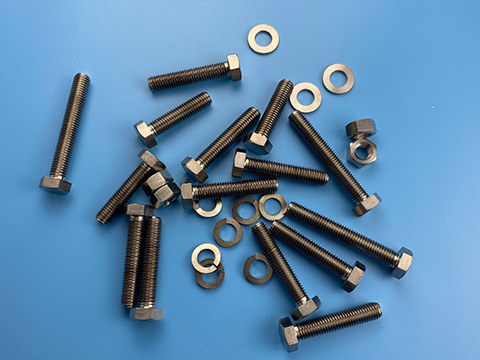
Zirconium 702 is widely used in industries where stainless steel and nickel alloys cannot provide enough corrosion resistance. Its stability in strong acids and harsh environments makes it suitable for chemical, pharmaceutical, and other demanding applications.
Chemical Processing Equipment
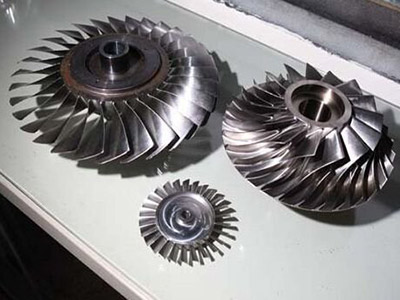
Zirconium 702 is commonly used in reactors, heat exchangers, storage tanks, pipes, pumps, and valves. These components often operate in strong acids and high-temperature environments. Compared with stainless steel and nickel alloys, it offers longer service life and lower maintenance.
For example, large dilute sulfuric acid storage tanks require materials that can resist corrosion at elevated temperatures. This grade is often selected because it provides reliable performance and lower cost compared with tantalum-based materials.
Acetic Acid Production
Acetic acid production involves high temperature, high pressure, and corrosive media. Zirconium 702 is used for reactors, condensers, piping, agitators, and heat exchangers in these systems. The material maintains stability and helps extend equipment life under severe working conditions.
Hydrochloric Acid Applications
This material performs well in hydrochloric acid over a wide temperature range. It is commonly used in pumps, valves, pipes, condensers, and evaporators. Equipment made from Zirconium can operate for long periods in hydrochloric acid with minimal corrosion.
Urea and Hydrogen Peroxide Production
Zirconium materials have been used in urea production for many years. Reactors and heat exchangers made from Zirconium 702 allow operation at higher temperatures and pressures, improving efficiency. In hydrogen peroxide production, zirconium equipment also helps reduce contamination and improve durability.
Pharmaceutical and Specialty Equipment
Zirconium 702 is also used in pharmaceutical and fine chemical equipment. Its corrosion resistance helps maintain product purity and stable processing conditions. Typical applications include reactors, piping systems, and heat transfer components.
Available Forms of Zirconium 702
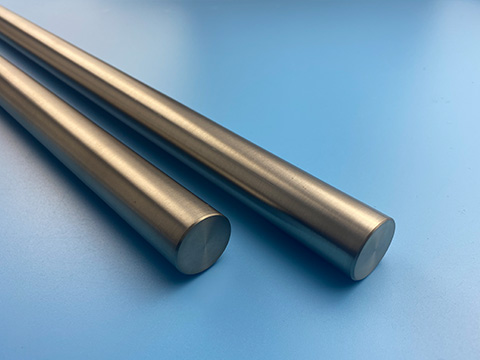
Zirconium 702 is available in a wide range of product forms to meet different manufacturing and processing requirements. These forms can be used directly or further machined into custom components for chemical and industrial equipment.
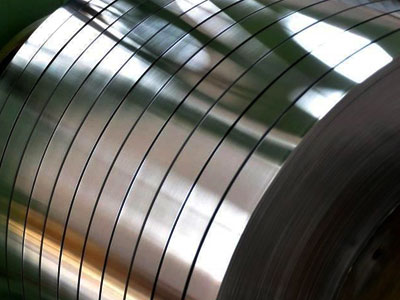
Zirconium Plate and Sheet
Zirconium plate and sheet are commonly used for reactors, storage tanks, and equipment lining. They provide excellent corrosion resistance and can be fabricated into large components. Thin sheets are also suitable for cladding and forming applications.
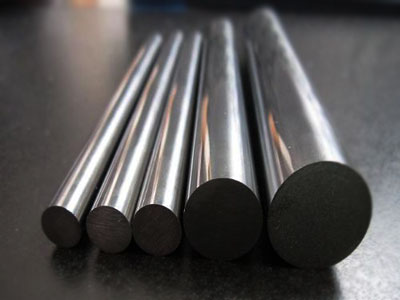
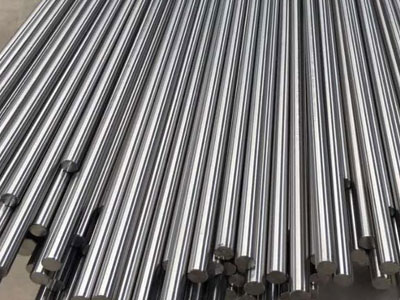
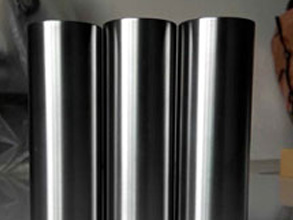
Zirconium Rod and Bar
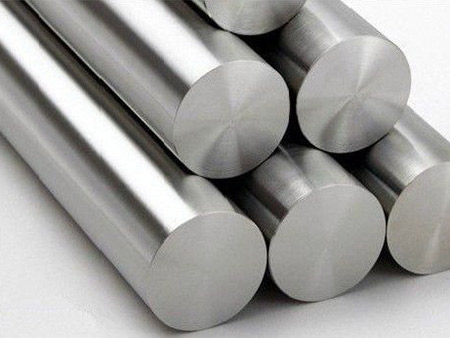
Zirconium rods and bars are typically used for machining parts such as bolts, shafts, valves, and structural components. They offer good strength and can be processed into custom shapes based on design requirements.
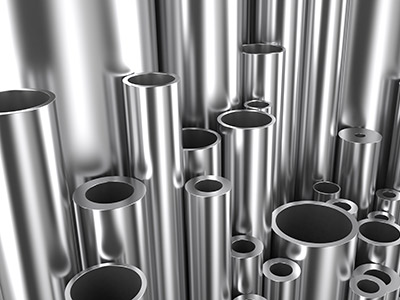
Zirconium Tube and Pipe
Zirconium tubes and pipes are widely used in heat exchangers, condensers, and chemical processing systems. Thin-wall zirconium tubes are especially common in heat transfer equipment due to their corrosion resistance and stable performance.
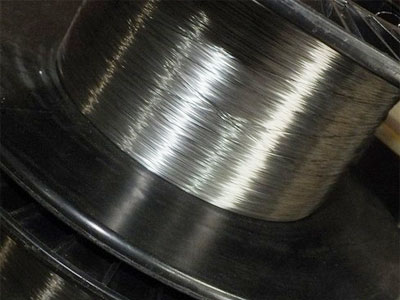
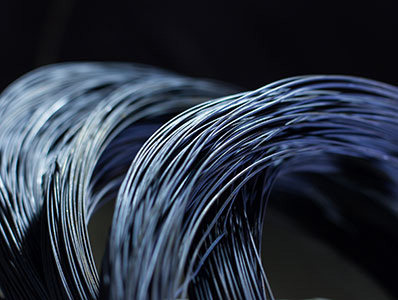
Zirconium Wire
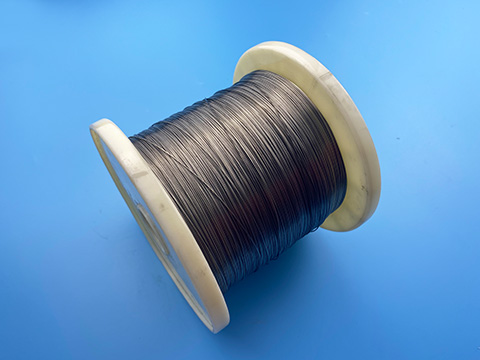
Zirconium wire is used for welding, fastening, and other specialized applications. It is also suitable for fabrication processes that require corrosion-resistant wire materials.
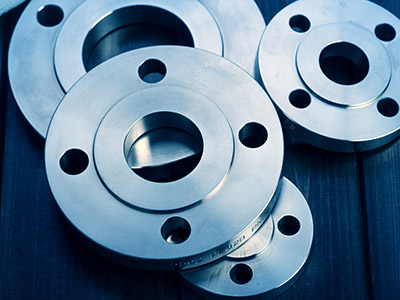
Custom Zirconium Parts
Zirconium 702 can also be supplied as forgings, flanges, fittings, and machined components. Custom sizes and shapes can be produced according to drawings or specific application needs. These parts are commonly used in chemical processing and corrosion-resistant equipment.
Conclusion
Zirconium 702 is often selected when standard corrosion-resistant materials are no longer sufficient. Its ability to handle strong acids, alkaline media, and elevated temperatures makes it a practical solution for extending equipment life and reducing maintenance in harsh chemical environments.
When selecting this material, it is important to consider the working media, temperature, pressure, and required product form. Plates and sheets are typically used for lining and vessels, while tubes are preferred for heat exchangers. Rods and forgings are more suitable for structural parts, valves, and pump components.
If you are looking for a reliable
zirconium material supplier, AEM Metal provides Zirconium 702 in plate, sheet, rod, bar, tube, wire, and custom machined parts. With strict quality control and custom sizing support, we can help match the material to your specific application.
Contact AEM Metal to request a quote or discuss your project requirements.