Ti-6Al-7Nb Titanium Alloy: Properties, Applications, and Material Selection
views, Updated: November 18, 2026 by aemmetal
Introduction
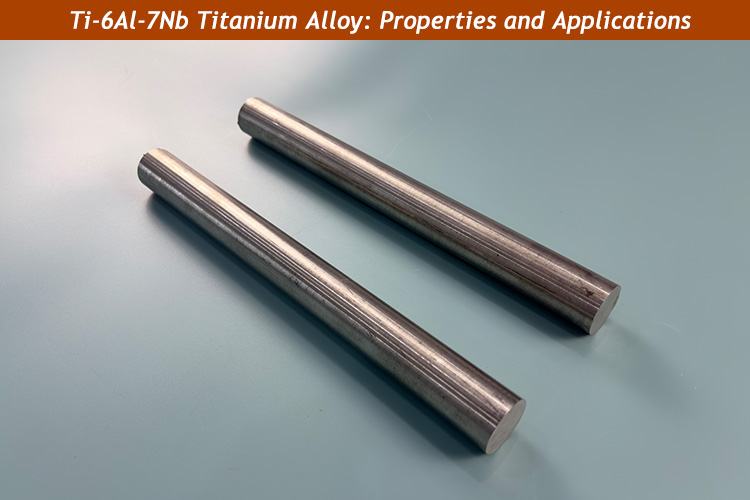
Ti-6Al-7Nb is an alpha-beta titanium alloy with nominally 6% aluminum and 7% niobium by weight. It is used to manufacture surgical implants and is one of the alloys engineers may evaluate when a design calls for a niobium-containing titanium alloy.
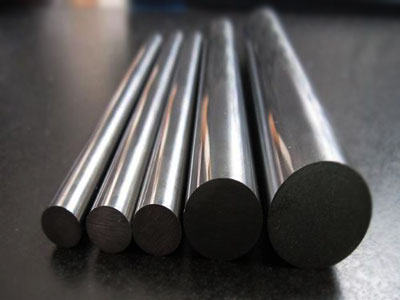
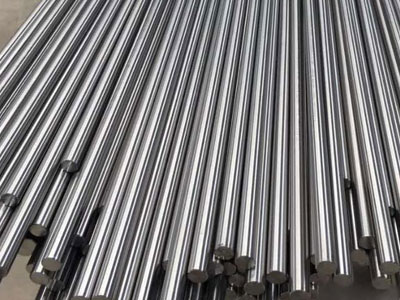
For engineers and buyers, the alloy designation is the starting point. A manufacturer sourcing round bar for machining and a team evaluating thin strip for cold forming need different information, even when both specify Ti-6Al-7Nb. The product form, delivery condition, and applicable material standard help determine what to request from a supplier and what to verify during development.
This guide explains the alloy's composition, key properties, and applications. It also compares Ti-6Al-7Nb with Ti-6Al-4V ELI and uses a customer inquiry for precision spring strip to show how material selection works in practice.
What Is Ti-6Al-7Nb Titanium Alloy?
Chemical Composition and Alloy Designation
Ti-6Al-7Nb takes its name from its two main additions to titanium. The
6Al stands for about 6% aluminum by weight, and the
7Nb stands for about 7% niobium. Its formal alloy designation is
UNS R56700.
The numbers in the alloy name are nominal values. For example, a mill test report can show a niobium content slightly above or below 7% and still meet the specified chemistry. When reviewing the report, check the measured values against the limits in the material standard on your purchase order.
The Role of Aluminum and Niobium
Aluminum and niobium help shape the alloy’s internal structure. Aluminum favors the
alpha phase, while niobium favors the
beta phase. Each phase has a different arrangement of titanium atoms. Ti-6Al-7Nb contains both, which is why it belongs to the alpha-beta family of titanium alloys.
The alloy name stays the same as the metal is rolled or heat-treated, but its internal structure and mechanical properties can change. If you are evaluating annealed strip for a part that will be cold formed, start with data for annealed strip. That gives you a closer basis for comparison than strength and elongation values measured on round bar in a different condition.
Key Properties of Ti-6Al-7Nb
Mechanical Strength and Stiffness
Ti-6Al-7Nb combines high strength with enough ductility for some forming operations. For a part that needs to flex,
elastic modulus helps estimate how much it will bend under load.
Yield strength helps estimate when that bending will leave a permanent change in shape. The dimensions matter too. A small change in strip thickness can noticeably change how stiff a spring feels.
|
Property |
Reference values for wrought Ti-6Al-7Nb |
Why it matters |
|
Ultimate tensile strength |
900–1,050 MPa |
Indicates the highest stress reached in a tensile test. |
|
Yield strength |
880–950 MPa |
Helps estimate when the material will take a permanent set. |
|
Elongation at break |
8.1–15% |
Gives an initial indication of how much the material can deform before breaking. |
|
Elastic modulus |
About 114 GPa |
Helps estimate how far a part will deflect under load. |
For a purchase specification, use the applicable limits for the required product form and delivery condition. When evaluating annealed strip, review the mill test report for the supplied material.
Formability and Fatigue
A forming trial can show whether the strip cracks at the planned bend radius and how much it springs back after the forming load is removed. Once the part has the right shape, cycle the finished prototype through its intended travel. On a spring made from slit strip, inspect the edges and tight bends first. Burrs and sharp transitions can concentrate stress and become starting points for fatigue cracks.
Corrosion Resistance and Biocompatibility
Ti-6Al-7Nb naturally forms a thin surface oxide containing titanium and niobium oxides. This layer helps protect the underlying metal from corrosion. For a finished part, the surface condition after forming and finishing matters, along with the environment the part will encounter.
For a component intended for direct oral contact, the mill test report documents the supplied alloy's chemistry and tensile properties. The biological evaluation addresses the finished component, including its surface condition and how long and how often it will contact oral tissue.
Applications of Ti-6Al-7Nb
Ti-6Al-7Nb is used in selected
orthopedic implants and dental components. Examples include hip stems, bone fixation hardware, spinal fixation systems, and dental abutments. The requirements vary by component. A hip stem must handle repeated loading, while a dental abutment must fit precisely at the implant connection.
Hip Replacement Stems
A hip stem fits inside the thighbone and transfers load from the artificial joint to the bone. Because the stem carries load with each step, fatigue performance is an important design consideration. The finished geometry matters, especially near the transition between the neck and the stem, where stress can concentrate.
Bone Plates and Fixation Screws
Bone plates help keep a fracture aligned during healing. Screws secure the plate to the bone or hold bone fragments directly. A plate's thickness and shape affect how it resists bending, while a screw's diameter and thread geometry affect how it handles the twisting force applied during insertion.
Spinal Fixation Systems
Ti-6Al-7Nb is specified as a material option in some spinal fixation systems. In a rod-based system, the rods and connectors work together to stabilize the treated section of the spine. Rod dimensions and connection geometry both influence how the assembly carries load.
Dental Implant Abutments
An abutment connects a dental implant to a crown or bridge. Ti-6Al-7Nb is used in some screw-retained abutments and in the metal base of certain two-piece designs. Dimensional control matters at the implant connection because the abutment must seat correctly and support the restoration in its intended position.
Ti-6Al-7Nb vs. Ti-6Al-4V ELI
Both alloys are used to make surgical implants.
Ti-6Al-7Nb uses niobium as an alloying element, while Ti-6Al-4V ELI uses vanadium. ELI stands for
extra low interstitial. It has a lower oxygen limit than standard Ti-6Al-4V, which helps improve ductility and resistance to crack growth.
|
What to compare |
Ti-6Al-7Nb |
Ti-6Al-4V ELI |
|
Nominal composition by weight |
6% aluminum, 7% niobium, balance titanium |
6% aluminum, 4% vanadium, balance titanium |
|
UNS designation |
R56700 |
R56401 |
|
Material specification |
ASTM F1295 or ISO 5832-11 |
ASTM F136 |
|
Key chemistry requirement |
Niobium is the main alloying addition after aluminum |
ASTM F136 limits oxygen to 0.13% by weight |
How to Choose Between Ti-6Al-7Nb and Ti-6Al-4V ELI
Start with Ti-6Al-7Nb if the project calls for a titanium alloy without intentionally added vanadium. It is a candidate for orthopedic or dental designs where that chemistry is preferred. For an implant, assess biocompatibility for the finished device, taking its surface finish and intended tissue contact into account.
Start with Ti-6Al-4V ELI if your team already has machining, forming, or test data for this grade on a similar part. That experience gives you a practical basis for estimating manufacturing effort and planning prototype tests. If fracture toughness is a design priority, request data for the product form and condition you intend to use.
Evaluate both alloys if the choice depends on how the material forms or performs in the finished part. For a precision spring, try both grades as annealed strip of the same thickness. Check for cracking and springback during forming. After any planned heat treatment, measure the force at the required deflection and check for permanent deformation after repeated use. If both candidates meet the target, choose based on availability in the required size, minimum order quantity, and repeat-order lead time.
Purchasing Ti-6Al-7Nb From AEM METAL
When we review a
Ti-6Al-7Nb inquiry, we start with what you plan to make and how you will process the material. If you're still developing the part, tell us what you know so far. The intended application, approximate dimensions, and whether you plan to machine or form the material give us a starting point for reviewing product forms and sample options.
What We Review Before Quoting
For a machined part, we look at the stock diameter, cut length, and any material you need to leave for machining. For a formed part, we focus on strip thickness, width, tolerances, and delivery condition. If you need slit coil, tell us the minimum continuous length your process requires. A total quantity of 5 m can be supplied as one length or several shorter pieces, and that difference matters when setting up a forming trial.
If your project specifies
ASTM F1295 or
ISO 5832-11, include the required edition in your inquiry. We can review the specification and confirm what documentation is available for the quoted product form. Tell us if you need the mill test report to show specific results or if the delivered material must carry a heat or lot identifier that matches the report.
From Samples to Production
If you're planning a trial, share both your sample quantity and your estimated production demand. That lets us review sample availability and production lead time separately, and check whether future orders can match the sample's dimensions, tolerances, and delivery condition.
Send AEM METAL your application and the requirements you've defined so far, and we'll review what can be quoted for your project.
Conclusion
Ti-6Al-7Nb is a niobium-containing titanium alloy used in selected orthopedic and dental components. If you are considering it for a new part, evaluate it in the form you plan to purchase and through the process you plan to use. In the precision spring example, that means checking how the annealed strip forms and how the spring performs after heat treatment.
If you’re evaluating Ti-6Al-7Nb or ready to request a quote,
contact AEM METAL with your application, target dimensions, and estimated quantity. If the design is still in development, share how you plan to machine or form the part so we can review the material options with you.