Tantalum vs Titanium: Properties, Applications, and Material Selection
views, Updated: November 12, 2026 by aemmetal
Introduction
Tantalum vs titanium: which should you choose? Titanium is often preferred when a part needs low weight and high strength. Tantalum may be a better choice when resistance to certain aggressive chemicals is the main requirement. The answer depends on the chemical environment, operating temperature, and demands placed on the finished part.
The material grade and product form also matter. Commercially pure titanium should not be treated as having the same properties as a titanium alloy, and a design that requires sheet may call for different considerations than one made from rod or tube. This guide compares the key differences and shows how to evaluate each metal for an industrial application.
Tantalum vs Titanium at a Glance
Tantalum and titanium are both used in demanding environments, but they solve different problems.
Titanium is much lighter and is often chosen for structural parts. Tantalum is considered when a part needs to resist chemicals that titanium may not withstand. The right choice still depends on the operating conditions.
This table compares
unalloyed tantalum (UNS R05200) with
commercially pure titanium (Grade 2). It does not represent every tantalum or titanium alloy.
|
Property |
Tantalum (R05200) |
Titanium (Grade 2) |
|
Density |
About 16.6 g/cm³ |
About 4.5 g/cm³ |
|
Strength |
Annealed tantalum is relatively soft and easy to form. |
Grade 2 has higher strength than annealed tantalum. Strength varies by grade and condition. |
|
Melting point |
About 3,000°C |
About 1,670°C |
|
Corrosion resistance |
Suitable for many aggressive chemical environments, subject to the exact exposure conditions. |
Suitable for seawater and many industrial environments, subject to the exact exposure conditions. |
|
High-temperature use |
Its high melting point is useful, but oxidation limits use in air. |
The service limit depends on temperature, load, and atmosphere. |
|
Typical applications |
Chemical equipment, electronics, and selected medical components. |
Marine and chemical equipment, lightweight structures, and medical devices. |
|
Relative material cost |
Generally higher. |
Generally lower. |
For buyers, the main distinction is clear:
titanium offers lower weight and useful strength, while tantalum may justify its higher cost where its corrosion resistance is needed. Before specifying either metal, check the grade, product form, and actual service conditions.
Key Property Differences
Weight and Mechanical Strength
Titanium is the lighter choice. A tantalum part weighs roughly 3.7 times as much as a titanium part of the same size. That difference matters for large components, moving equipment, and designs with a weight limit.
Strength depends on the grade and how the material was processed. Annealed unalloyed tantalum is relatively easy to form, while titanium Grade 2 provides greater strength. A titanium alloy may be stronger still. For a load-bearing part, compare the specified grades and mechanical requirements rather than the metal names alone.
Corrosion Resistance
Both metals rely on a protective surface layer to resist corrosion. Tantalum is often considered for equipment that handles aggressive acids. Titanium is widely used where resistance to seawater or other process fluids is needed.
Neither description guarantees performance in a particular system. The chemical, its concentration, operating temperature, and contaminants can change the result. Fluoride-containing solutions, especially those containing hydrofluoric acid, require careful evaluation for both metals. We will compare specific environments in the next section.
High-Temperature Performance
Tantalum has a much higher melting point than titanium, but
melting point is not a service temperature. Tantalum can oxidize rapidly in hot air. Its high-temperature use therefore depends heavily on the atmosphere around the part.
For titanium, the safe operating temperature depends on the grade, mechanical load, and length of exposure. Buyers should assess these conditions before choosing either metal for a hot component.
Biocompatibility
Both metals are used in medical devices and implants. Titanium offers low weight and useful strength for structural parts. Tantalum is used in selected components where its surface and material properties support the device design.
The final choice depends on more than the metal itself. Designers must also assess the part’s shape, surface, mechanical demands, and applicable medical requirements.
Corrosion Resistance in Different Environments
The name of a chemical is only the starting point for material selection. Its concentration, temperature, and other ingredients can change how tantalum or titanium performs. The part’s position also matters: a surface immersed in liquid may face different conditions from one exposed to vapor or trapped fluid.
Acids
Tantalum is often considered for equipment handling hydrochloric and sulfuric acids, particularly when the solution is hot or concentrated. Titanium Grade 2 may have a shorter service life in some of these conditions. The choice still needs to be checked against the actual process, as severe acid exposure can affect tantalum too.
Titanium can be a suitable choice for many nitric acid applications. However, hot vapor and condensate may be more demanding than the liquid itself. For a vessel or pipe system, buyers should identify which surfaces contact each phase.
Seawater and Chloride Solutions
Titanium is widely used in seawater equipment, including piping and heat exchangers. Its performance in open flow should not be assumed for every part of the assembly. Hot fluid trapped beneath a gasket or inside a narrow joint can create conditions for
crevice corrosion.
Tantalum resists many chloride-containing solutions, but its higher material cost must be justified by the service conditions. If titanium meets the corrosion and design requirements, it may be the more practical choice.
Fluorides and Other Limitations
Hydrofluoric acid can attack both metals. Other fluoride-containing solutions require careful review, especially when they are acidic. Tantalum also has limits in certain hot, strongly alkaline solutions.
A useful corrosion assessment should state the
full chemical composition, concentration, operating temperature, and exposure time. It should also identify vapor zones, welds, gaskets, and places where liquid may remain trapped. Those details give engineers a sounder basis for selecting a grade than a general claim that either metal is “corrosion resistant.”
Manufacturing and Product Forms
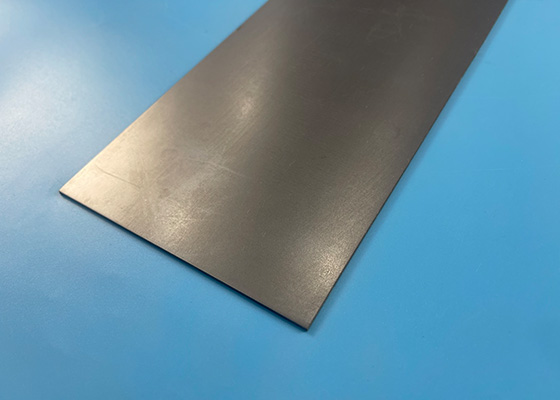
Material selection also affects how a part is made. Tantalum and titanium are available in similar product forms, but their forming, machining, and welding requirements differ. These steps can have a significant effect on the finished cost.
Forming, Machining, and Welding
Unalloyed tantalum is ductile and can be formed into shapes such as thin sheet and fabricated linings. Titanium can also be formed, but the result depends strongly on the grade and the shape required. A titanium alloy should not be expected to form like commercially pure Grade 2.
Both metals need suitable tools and cutting methods during machining. Tantalum can deform or smear at the cutting edge, while titanium can generate heat at the cutting tool. For tight tolerances or complex parts, it is useful to review the machining plan before purchasing stock material.
Weld quality matters for both metals. The weld area must be clean and protected from air while it is hot. Poor protection can affect the finished joint, even when the base material is suitable for the application.
Available Product Forms
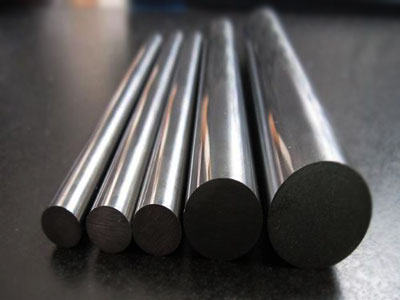
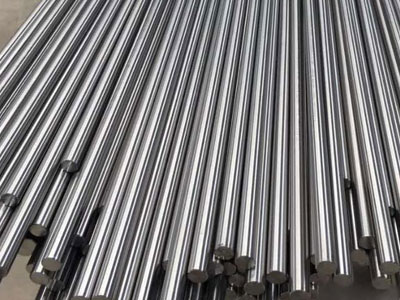
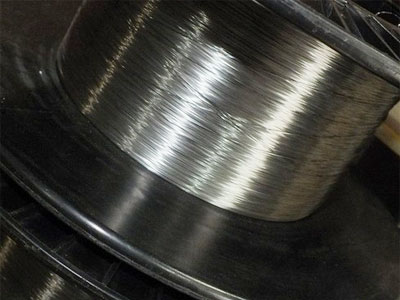
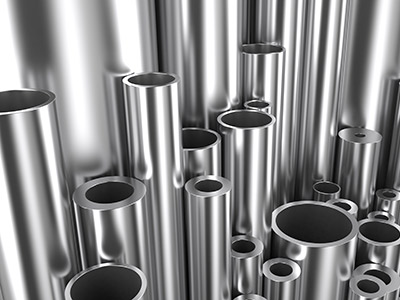
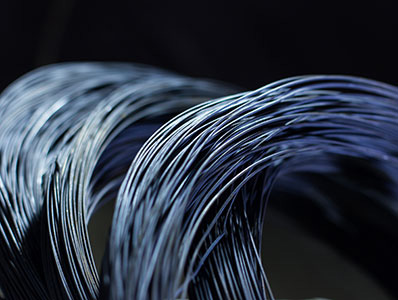
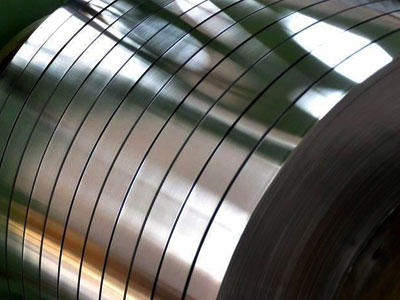
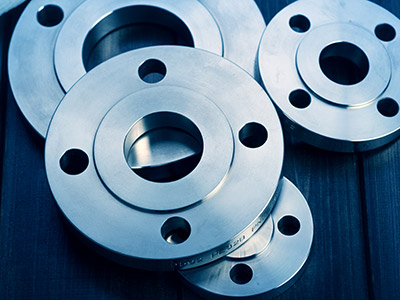
Both metals can be purchased as
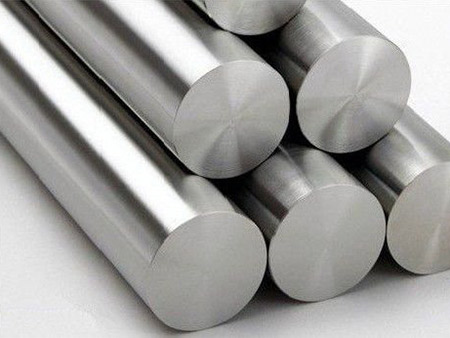
sheet, plate, rod, wire, and tube, subject to the grade and required size.
Tantalum foil and titanium forgings are also available for applications that need those forms. Availability should be confirmed for the exact combination of grade, dimensions, and quantity.
The required form can influence the design. A corrosion-resistant lining, for example, calls for different material and fabrication planning than a solid machined part.
What to Specify When Purchasing
A request for “
tantalum sheet” or “
titanium plate” leaves important details open. A useful specification should include the
grade, product form, dimensions, tolerances, surface finish, quantity, and inspection requirements. State whether the material will be welded, formed, or machined after delivery.
For sheet and plate, buyers can also name the applicable standard.
ASTM B708 covers tantalum and tantalum alloy plate, sheet, and strip;
ASTM B265 covers titanium and titanium alloy strip, sheet, and plate. The standard should match the grade and form being purchased.
Where Is Each Metal Used?
The applications of tantalum and titanium overlap, but the reasons for choosing them often differ. Titanium is commonly selected for its combination of low weight, strength, and corrosion resistance. Tantalum is used where a specific chemical or processing requirement justifies its higher cost.
Chemical Processing Equipment
Titanium is used in piping, heat exchangers, and other equipment handling seawater or suitable process fluids. Its low density can also help reduce the weight of a large assembly.
Tantalum is considered for components exposed to acids that may be too demanding for titanium. These can include heat exchanger parts, vessel components, and linings. The entire assembly does not always need to be made from tantalum. When the design permits, it may be used only on the surface or in the component that contacts the process fluid.
Medical Devices and Implants
Titanium and titanium alloys are used for implants that need structural strength at a relatively low weight. Tantalum is used in selected implant components, including porous structures designed to support bone attachment.
The choice depends on the device, not biocompatibility alone. Designers must consider the load, shape, surface, manufacturing method, and requirements that apply to the finished device.
Aerospace, Electronics, and High-Temperature Components
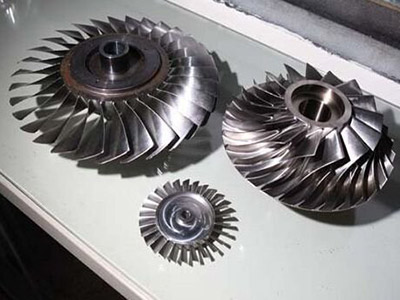
Titanium alloys are used in aerospace parts where strength and low weight are important. Tantalum’s much greater weight makes it unsuitable as a direct replacement for these structural parts.
In electronics, tantalum is used in products such as capacitors and sputtering targets. It can also be used for high-temperature components in vacuum or a protective atmosphere. Titanium and its alloys serve different roles, including structural parts and components chosen for their corrosion resistance. In each case, the operating conditions determine which material properties are useful.
Conclusion
Titanium is generally the better choice for lightweight structural parts. Tantalum is often the better candidate for components that handle hot hydrochloric or sulfuric acid. For chemical equipment, confirm corrosion resistance at the actual acid concentration and operating temperature. For structural parts, compare the strength and weight of the specific titanium grade you plan to use.
Request a quote from AEM METAL. Share your drawing or material specification, required quantity, and operating conditions. We can help you identify a suitable grade and product form for your application.